Dual Family
Play Dual Family
Dual Family Screenshots


Dual Family review
Explore the branching narrative, character relationships, and dual perspective mechanics of this adult visual novel
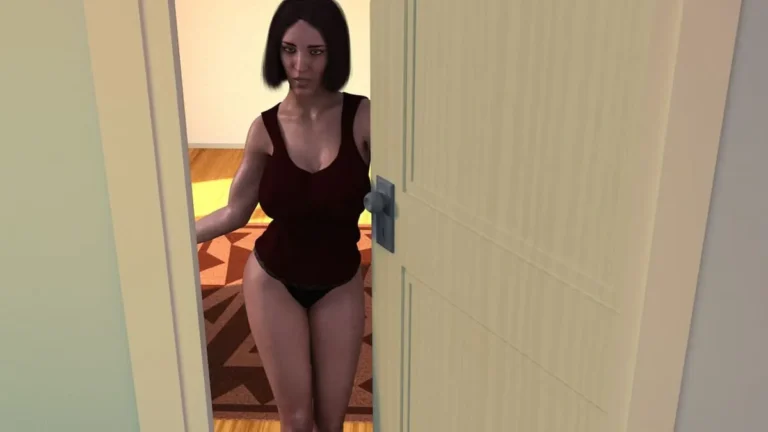
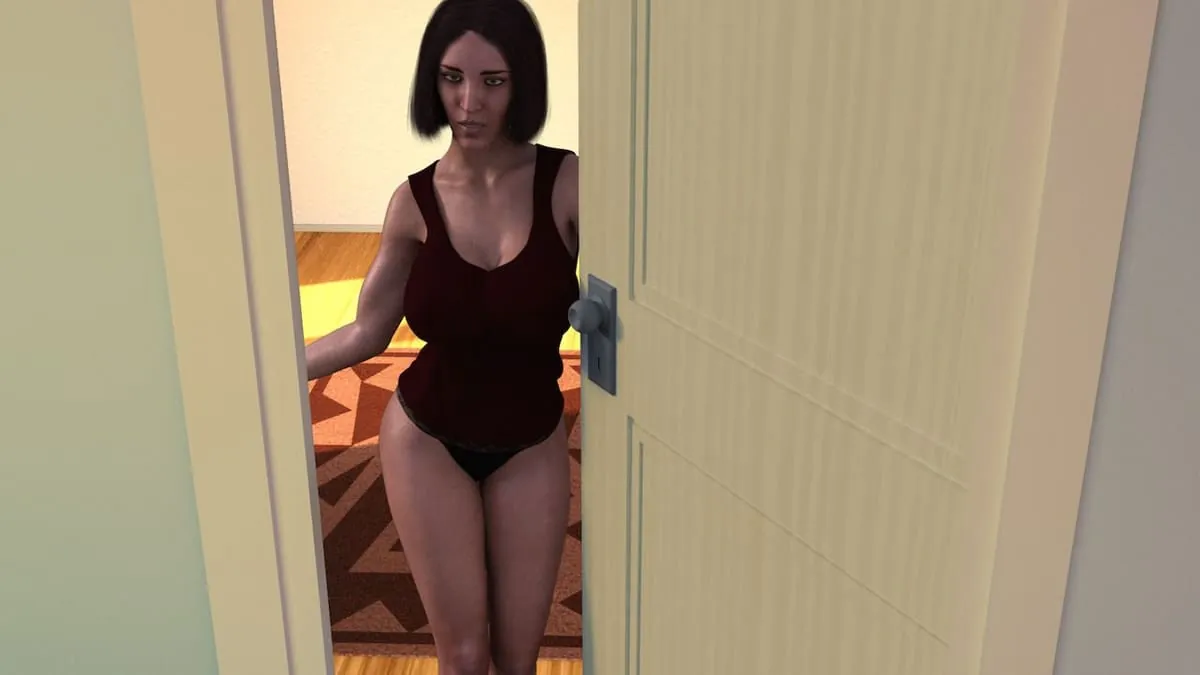
Dual Family is a first-person adult visual novel and life simulation game that offers players a unique dual-perspective experience. Developed by Gumdrop Games, this interactive story allows you to choose between playing as either the father or son within the same household, experiencing two distinct narrative paths through complex family dynamics. The game features high-quality 3DCG graphics, branching storylines influenced by player choices, and multiple character relationships to develop. Whether you’re interested in understanding the game’s mechanics, exploring character interactions, or navigating the story’s various outcomes, this guide provides everything you need to know about Dual Family’s gameplay experience.
Understanding Dual Family Game Mechanics and Gameplay Features
What Makes Dual Family’s Dual Perspective System Unique
You know that feeling when you finish a great story, and you can’t help wondering what the other characters were thinking? That’s exactly the itch Dual Family scratches so effectively. This isn’t just another visual novel; it’s a carefully crafted experience built around a core innovation: the dual perspective system. You get to live the same household drama from two entirely different vantage points.
Imagine being able to step into the shoes of both a father and his son, watching the same events unfold but with radically different context. The father sees things through the lens of responsibility, worry, and a desire to protect. The son, on the other hand, experiences the world with curiosity, rebellion, and a search for independence. This isn’t a gimmick; it’s the very structure that defines Dual Family’s gameplay mechanics.
When you play as the father, your choices revolve around setting boundaries, managing the household, and dealing with the pressures of being a provider. Your interactions feel weighty, like every decision could steer the family’s future. In contrast, the son’s perspective is about navigating rules, discovering secrets, and testing limits. It’s a brilliant system that transforms what could be a simple story into a rich, layered exploration of family dynamics.
What makes this work so well is how the game keeps your information incomplete from each perspective. You might make a decision as the father that seems sensible, only to see its unintended consequences when you switch to the son’s storyline. Or you might uncover a crucial piece of information as the son that completely recontextualizes the father’s behavior. This built-in dramatic irony is the secret sauce that makes multiple playthroughs so rewarding.
“Playing through Dual Family from both sides felt like having a superpower. I could see the cracks in the family from angles the characters themselves couldn’t.”
Here’s a quick comparison to help you understand what each perspective brings to the table:
| Feature | Father Perspective | Son Perspective |
|---|---|---|
| Core Motivation | Protection, stability, authority | Exploration, rebellion, independence |
| Primary Challenges | Work-life balance, setting rules | Breaking rules, forming relationships |
| Unique Story Branches | Career outcomes, financial decisions | Friendship circles, secret discoveries |
| Character Interactions | Disciplining, guiding, supporting | Confiding, defying, scheming |
| Relationship Focus | Wife’s trust, son’s respect | Mother’s affection, father’s approval |
| Narrative Tone | Matured, responsible, sometimes heavy | Curious, energetic, occasionally rebellious |
This dual approach isn’t just about novelty; it’s a narrative engine that creates genuine emotional investment. You aren’t just an observer; you’re a participant in two lives at once.
Character Customization and Role Selection
Now, let’s talk about how you actually enter this world. Dual Family gives you a surprising amount of control right from the start. The character relationship system begins before you even make your first story choice, and it starts with customization.
You have the power to name both the father and the son. This might seem like a small detail, but trust me, it makes a huge difference. When you give a character your own name, or the name of someone you care about, every interaction becomes more personal. You stop thinking of them as pre-written avatars and start seeing them as extensions of yourself.
Here’s a step-by-step breakdown of the customization process:
- Start a new game and you’ll be greeted by the main menu, where the option to begin your journey is front and center.
- Select your first perspective – you can choose to start as either the father or the son. The game will recommend starting with one, but the choice is yours.
- Access the naming screen interface – this is where the magic happens. A clean, text-input screen appears, asking for the father’s name first.
- Enter the father’s name – you can use your real name, a favorite character name, or anything that feels right for the story you want to create.
- Confirm and move to the son – after confirming the father’s name, the game immediately prompts you to name the son. This continuity reinforces the bond between the two characters.
- Finalize and begin – once both names are set, the game locks them in. You can’t change them mid-playthrough, so choose wisely.
The interface is surprisingly intuitive. It uses a simple keyboard input without any complex menus or confusing options. This straightforward approach lets you jump straight into the action without friction. It’s a classic example of life simulation game features that prioritize player immersion over flashy customization screens.
But the customization doesn’t end with names. Your role selection determines the initial flavor of your experience. Starting as the father means you immediately confront adult responsibilities. You’ll deal with work schedules, household budget concerns, and your spouse’s expectations. Starting as the son throws you into school life, friendships, and the thrill of sneaking around after curfew.
This choice defines your first encounter with the interactive choice-based gameplay system. The decisions you face in the opening minutes will already begin to shape your path, even though you haven’t fully experienced the other side yet.
I personally found that naming the characters after people I knew made the story hit harder. The emotional stakes felt real, and I caught myself pausing to think carefully before making certain choices. That’s the power of a dual perspective visual novel that respects your ability to shape its world.
How Choices Impact Story Outcomes and Relationships
This is where Dual Family truly shines as a masterpiece of branching narrative choices. Your decisions aren’t cosmetic; they actively reshape the relationships between every family member, and ultimately determine Dual Family story outcomes in ways that can surprise you even on a second playthrough.
Think of the character relationship system as a living network. Every character has a hidden affinity track with every other character. When you make a choice, it doesn’t just affect your standing with the person you’re talking to; it ripples outward. Being too strict as a father might earn you respect from your wife, but it could drive your son further away. Being too lenient as a son might please your mother, but it could disappoint your father.
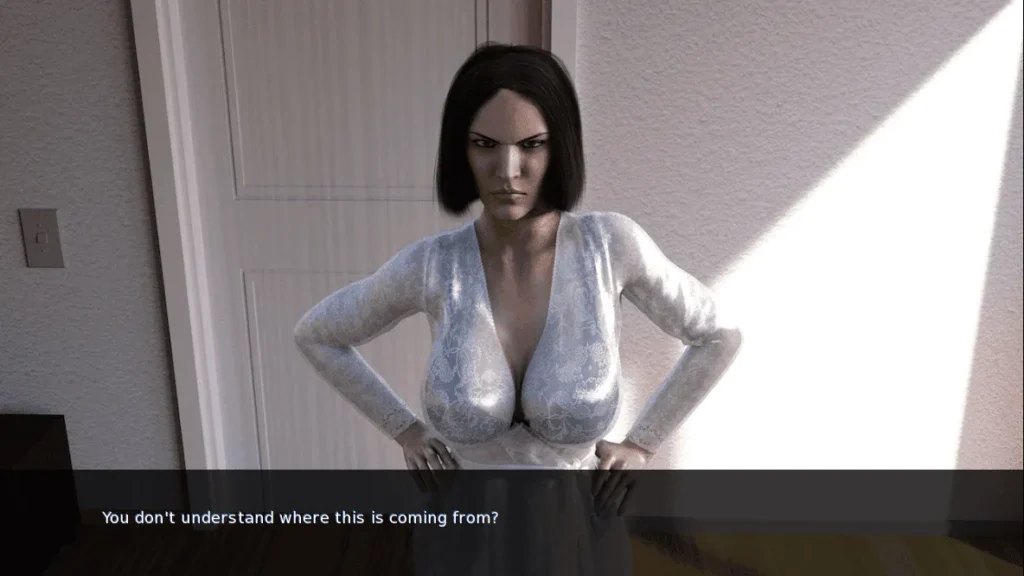
The game tracks these connections with a subtlety that keeps you guessing. You never see a numerical relationship meter pop up during dialogue. Instead, you observe the changes through altered dialogue, new scenes, and shifting body language in the 3DCG graphics. This design choice keeps you immersed, forcing you to truly interact with the story rather than just optimizing your stats.
Here’s how this works in practice: imagine a scenario where the father discovers the son has been hiding something. You face a choice: confront him directly, or give him space and wait for him to come to you.
- Choose confrontation and you might get information immediately, but you risk damaging trust. The son might become more secretive, and the wife might feel you’re being too harsh.
- Choose patience and you might preserve harmony, but the secret could grow into a more serious problem later. The son might appreciate your trust, or he might take advantage of your leniency.
Neither option is inherently right or wrong. The beauty of Dual Family’s gameplay mechanics is that every outcome is valuable for a different kind of story. Do you want a tense, dramatic narrative where secrets explode? Or a warmer, more understanding story where everyone learns and grows together?
The scenario-based decision-making system tests you constantly. It’s not just about big turning points; even small interactions can have cascading effects. A casual comment at dinner, a choice to help with chores, or a decision to spend the weekend differently can alter relationship branches down the line. This level of detail makes every playthrough feel unique.
I remember one of my first runs where I tried to be the “perfect” father, always fair and supportive. By the end, I had a son who respected me but was terrified of disappointing me, leading to him lying about bigger issues. That was a powerful lesson: even good intentions can produce complicated outcomes.
For achieving the best endings, you need to think about balance. The game rewards you for being consistent but not extreme. A father who is always strict creates distance. A father who is always permissive loses authority. The same logic applies to the son: total rebellion leads to punishment, while total obedience might mean missing out on important growth experiences.
The branching narrative choices also create excellent replay value. I’ve played through the entire story three times, and each ending was dramatically different. One playthrough ended with the family drifting apart, another with them stronger than ever, and a third with a bittersweet understanding that felt more realistic than a fairy tale.
The game is designed to make you curious. After finishing one path, you’ll immediately wonder: “What would have happened if I chose differently as the son?” or “Would the father have understood if he had known what I know now?” That’s the hook that keeps you coming back. Each playthrough adds new layers to your understanding of the life simulation game features woven into the narrative.
Ultimately, Dual Family respects your intelligence as a player. It doesn’t hold your hand or tell you which choices are “good.” You have to live with the consequences and learn from them. Interactive choice-based gameplay like this doesn’t just tell a story; it makes you earn it. And that is what makes this dual perspective visual novel such a compelling experience for anyone who wants to explore the messy, beautiful, and sometimes painful reality of family life.
Dual Family stands out as a sophisticated adult visual novel that combines engaging storytelling with meaningful player agency. The dual perspective system creates a compelling reason to experience the game multiple times, as playing from both the father’s and son’s viewpoints reveals different facets of the same household drama. The game’s strength lies in its branching narrative structure, where player choices genuinely impact character relationships and story outcomes, making each playthrough feel unique and personal. Understanding the mechanics of character customization, relationship building, and choice-based consequences allows players to fully appreciate the narrative depth and emotional complexity the game offers. Whether you’re exploring the game for the first time or seeking to unlock different story paths, mastering these core elements enhances your overall experience and appreciation for Dual Family’s intricate storytelling design.