Play After the Inferno
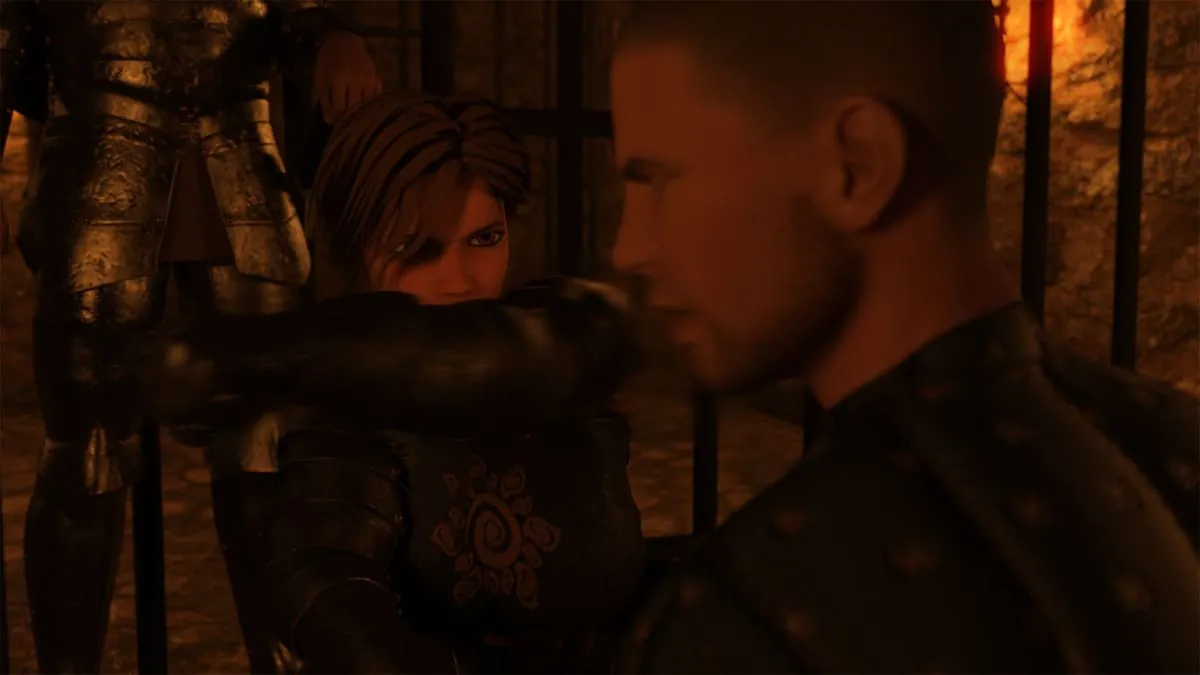
After the Inferno Screenshots
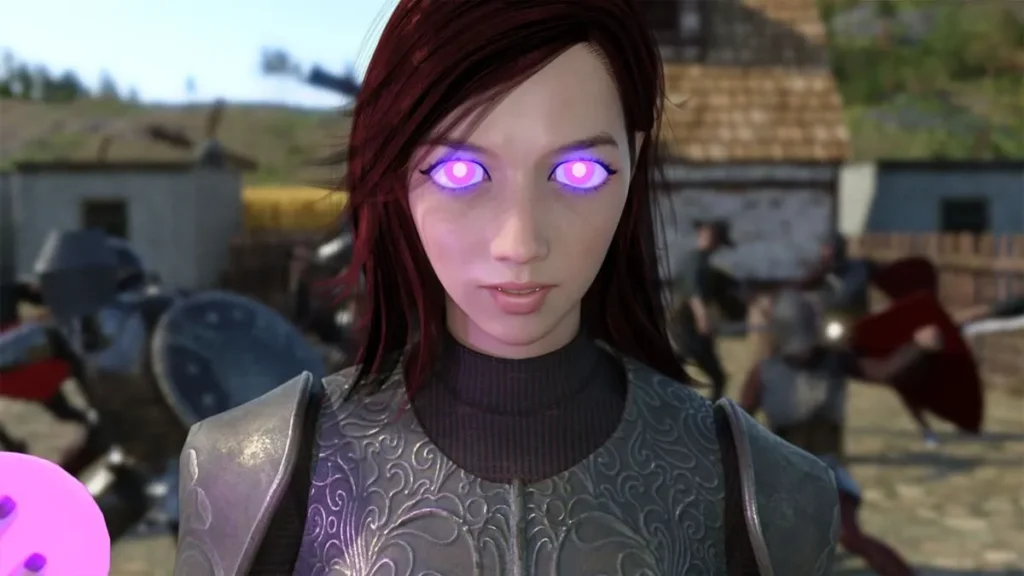
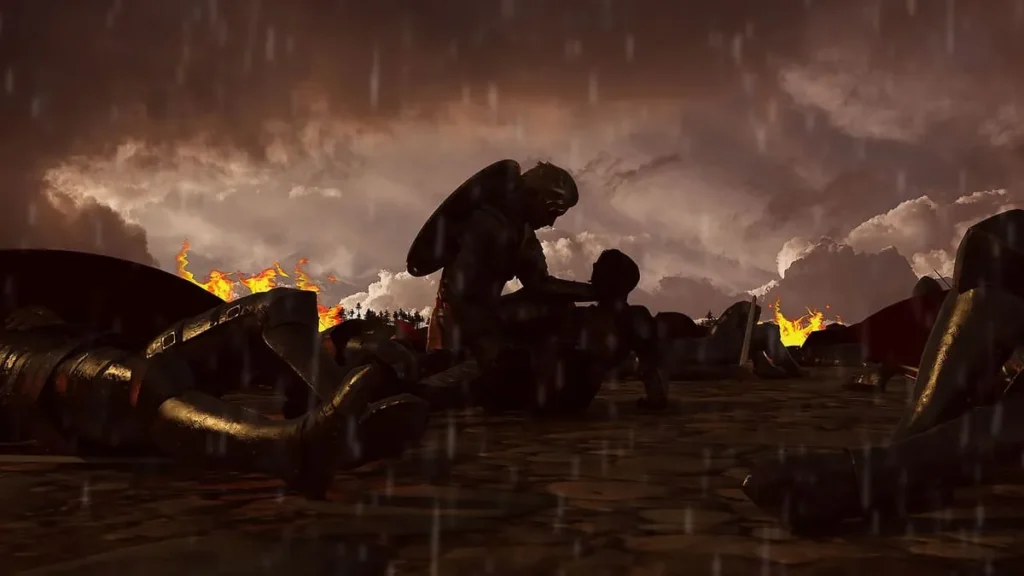

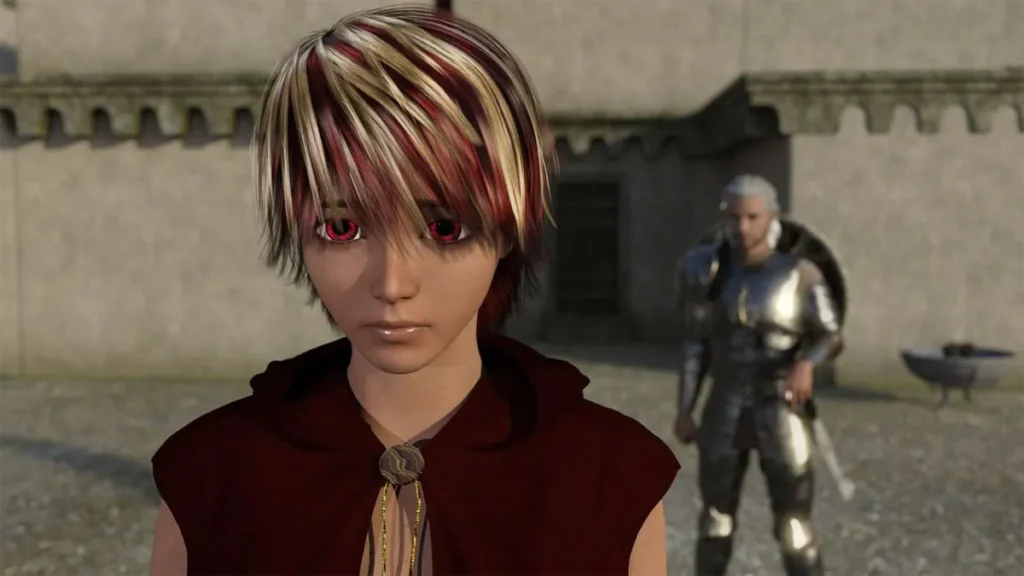
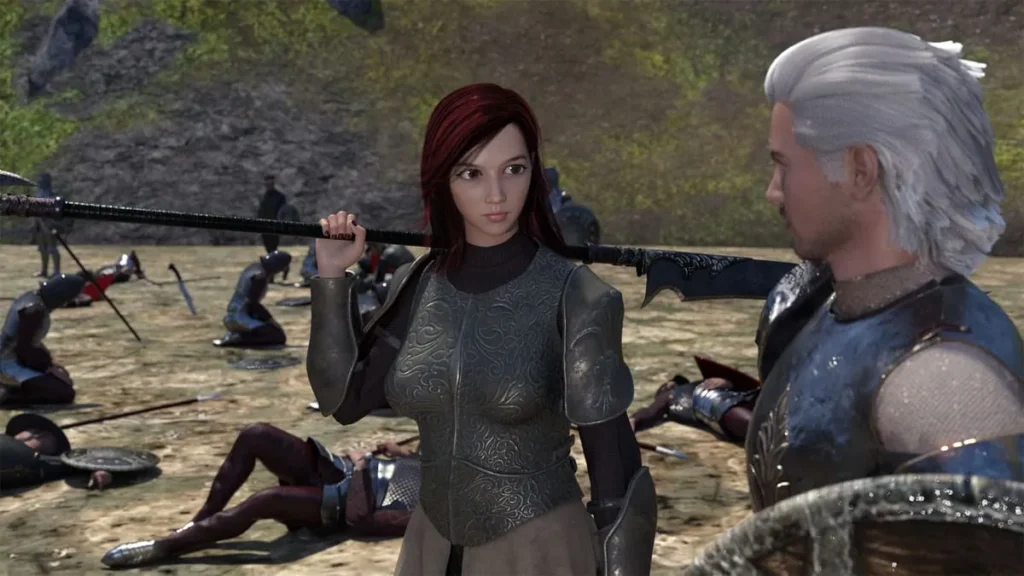


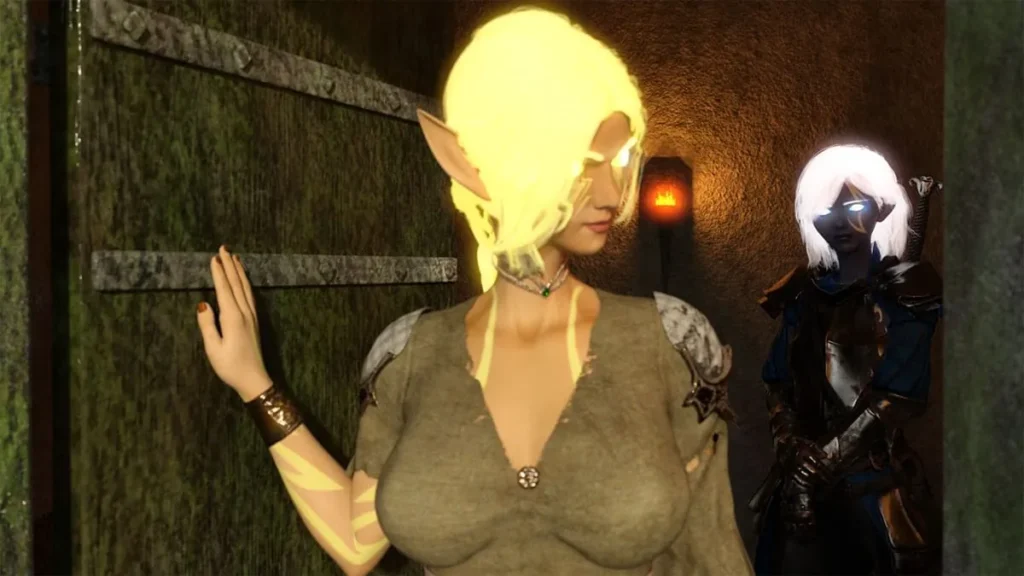
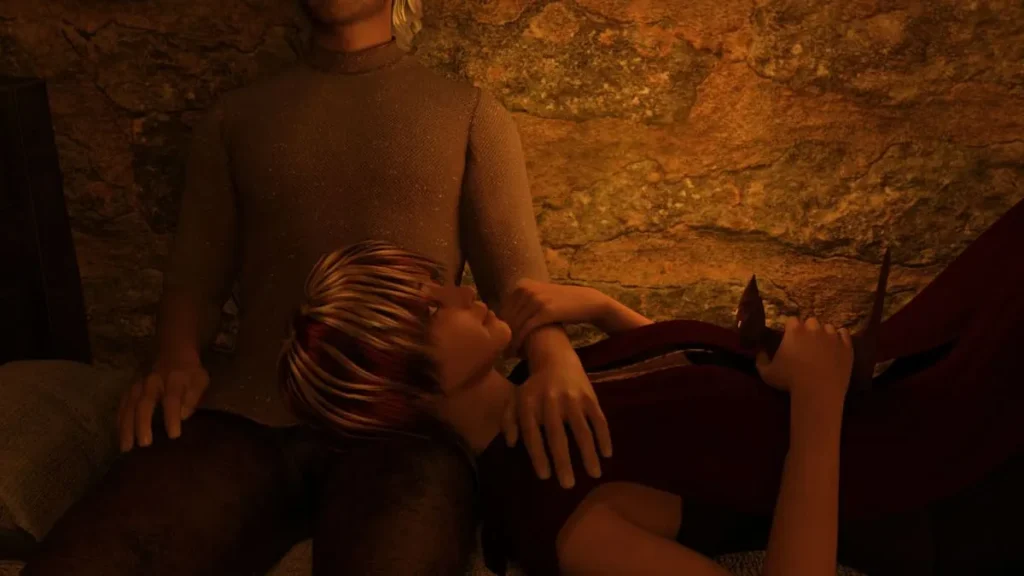
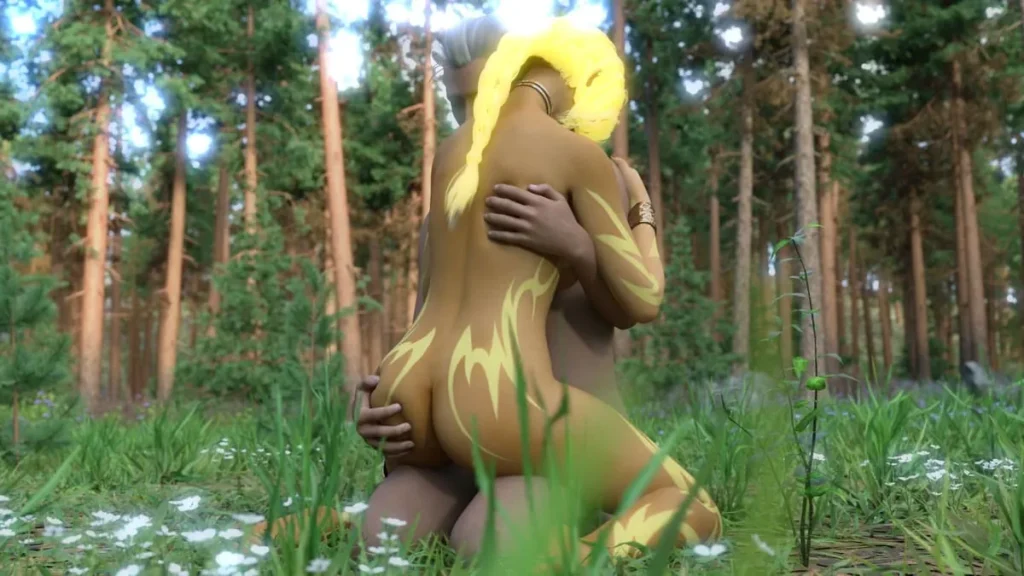
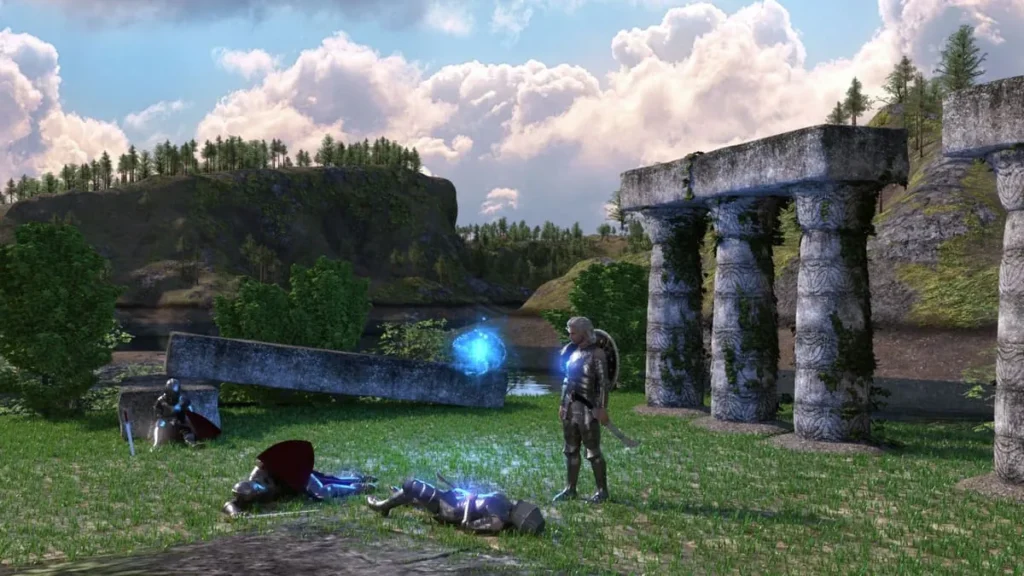
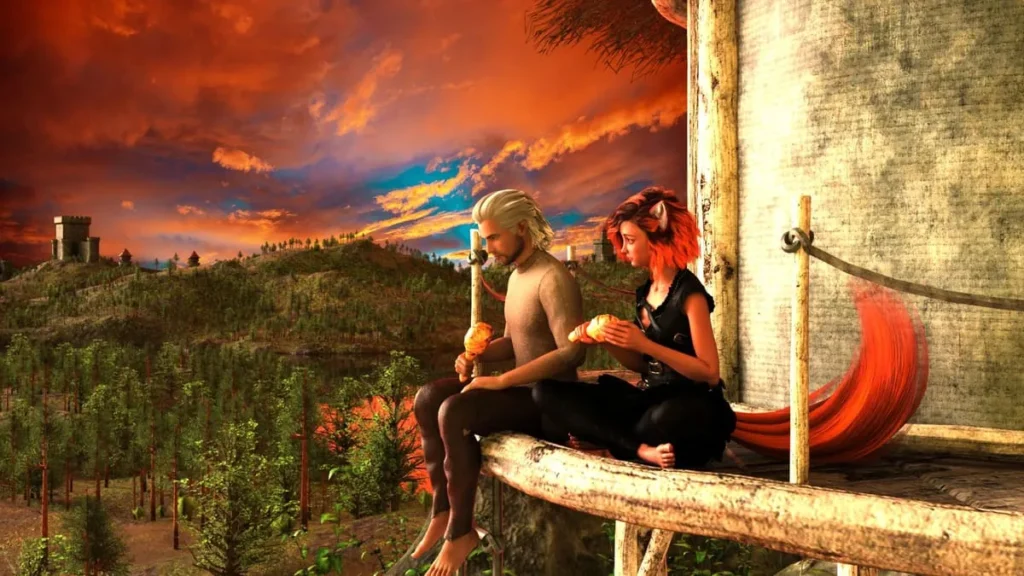
After the Inferno review
Dive into the Spicy Story, Choices, and Intimate Moments of This Gripping Game
Imagine stumbling upon a visual novel that blends a gripping post-apocalyptic tale with steamy, animated encounters that leave you breathless—welcome to After the Inferno. This game hooked me from the first choice, pulling me into Devran’s world of survival, romance, and temptation after a world-shattering event. As a fan who’s replayed it multiple times, I’ve uncovered layers of lore, optional intimate scenes, and branching paths that make every playthrough unique. Whether you’re here for the story’s depth or those sizzling moments, this guide breaks it all down with tips to maximize your experience. Let’s explore why After the Inferno stands out in the visual novel scene.
What Makes After the Inferno a Must-Play Visual Novel?
I remember my first playthrough of After the Inferno so clearly. I’d just met Elara, the sharp-witted scavenger with a past as scarred as the world around us. The game presented me with a choice: help her secure a dangerous relic for a hefty reward, or convince her it was too risky and to walk away. My Devran, trying to be a noble survivor in a broken world, chose the latter. I felt pretty good about my decision… until two chapters later when a rival faction, armed with that very relic, nearly burned our sanctuary to the ground. My “good” choice had catastrophic consequences. That was my lightbulb moment 🧠—this wasn’t just another visual novel; this was a story with real weight, where every decision echoed through the ashes of a fallen civilization.
This, friends, is the magic of the After the Inferno visual novel. It’s an experience that grabs you not just with its compelling characters and optional romantic sparks, but with a profound sense that your journey through its devastated landscapes truly matters. You step into the boots of Devran, a man shaped by the cataclysm, and your path—whether driven by love, power, survival, or a mix of all three—carves a unique story into the bones of the post-Inferno world.
So, what exactly is After the Inferno game? At its heart, it’s a narrative-driven adventure from a dedicated Devran viewpoint gameplay perspective. You guide him through a rich tapestry of alliances, conflicts, and personal connections. The celebrated intimate scenes are beautifully animated and woven into character arcs, but here’s the crucial part: they are completely optional. There’s no narrative penalty for skipping them or for exploring connections with multiple characters. The story adapts and continues, rewarding curiosity without punishment. This freedom is key to the incredible After the Inferno replayability. But beyond the romance lies the true gem: a world and story so meticulously crafted that it rewards the dedicated story fan above all else.
How the Post-Inferno World Draws You In
You don’t just read about the setting in After the Inferno; you feel its breath on your neck—dry, dusty, and tinged with the faint scent of ozone and decay 🌄. The post-inferno world building isn’t a static backdrop. It’s a character in itself. My initial stroll through the market hub of “Last Light” wasn’t just about clicking through dialogue. I listened to hushed conversations about water rationing, saw the wary glances thrown at anyone wearing the insignia of the Sun Guard, and uncovered codex entries that explained why that rusted, monolithic structure on the horizon is called “The God-Spike.”
The game builds its history and cultures organically. You learn about the conflicting faiths—the Order of the Ember clinging to old world technology as divine, and the Dawn Chorus worshipping the brutal new sun—not through a lore dump, but through Devran’s interactions. Helping a priest of the Dawn Chorus might unlock a codex entry detailing their rituals, adding layers to every future encounter with its followers. This environmental storytelling makes the world feel lived-in and authentic. You’re not a tourist; you’re a participant in a society struggling to redefine itself after the end. The depth of this setting is a massive part of the After the Inferno story depth, providing a rock-solid foundation for every personal drama and epic choice.
Why the Story Offers Real Depth and Replayability
This is where After the Inferno truly separates itself from the pack. The narrative depth isn’t an illusion; it’s engineered into the very DNA of your choices. Let’s go back to my anecdote about Elara. That single early choice branched out, affecting her loyalty, the resources available to my faction, and even the dialogue options with a major antagonist later on. This is standard operating procedure here.
The game masterfully intertwines personal relationships with larger geopolitical struggles. Pursuing a romance with Kael, the cynical Sun Guard captain, isn’t just a separate, spicy subplot. It directly influences how you navigate the tense political landscape with the military faction. Can you trust his advice? Will your relationship color his reports to his superiors? The story makes these questions vitally important.
This complex web of consequences is what fuels the incredible After the Inferno replayability. Your second playthrough isn’t about just seeing different romantic scenes; it’s about witnessing a fundamentally different story. Choosing a “rougher,” more pragmatic path with Devran unlocks entirely different conflicts and alliances compared to a “loving,” idealistic route. To illustrate, let’s look at how two core approaches can diverge:
| Route Type | Key Philosophy & Choices | Unlocked Scenes & Alliances | Pros & Cons |
|---|---|---|---|
| Loving / Idealistic | Prioritize mercy, cooperation, and rebuilding trust. Choose to spare enemies, share critical resources, and mend broken ties. | Deepened bonds with healers and diplomats. “Sanctuary United” festival scene. Peace accords with minor factions. | Pro: Strong, loyal network of allies. More peaceful resolutions. Con: Vulnerable to betrayal from those who see kindness as weakness. May lack decisive military power. |
| Rough / Pragmatic | Prioritize survival, strength, and decisive action. Choose to eliminate threats, hoard resources, and demand loyalty through power. | Respect (or fear) from mercenary groups. “Fortress Ascendant” militarization scene. Access to black market networks. | Pro: Formidable, resource-rich position. Commands fear and direct power. Con: Creates lasting enemies. Isolates potential allies who distrust your methods. Can lead to lonely leadership. |
This isn’t about a simple “good vs. evil” slider. It’s about who Devran becomes in response to the apocalypse, and the game remembers every step of that transformation. The After the Inferno story depth comes from knowing that every whispered conversation, every spared life, and every hardened heart truly writes your unique version of history.
Unlocking the Game’s Hidden Layers: Codex and Galleries
One of the smartest design choices in After the Inferno is that it never forces its world-building down your throat. Instead, it offers tools for the curious, making subsequent playthroughs even richer. This is where your visual novel codex guide comes into play 🗺️.
The Codex is your in-game encyclopedia, automatically filling up as you encounter new people, places, and concepts. Meet a strange creature in the toxic jungles? Its entry appears, detailing its ecology and threat level. Hear a character mention the “Silent Psalms”? The Religions tab updates. On my first run, I was so engrossed in the immediate drama that I ignored it. On my second, I used it like a detective’s board, connecting faction motives to historical events I’d previously glossed over. It transforms the experience from a simple story into a deep-dive investigation of a fascinating world.
Then there are the Galleries. These aren’t just collections of scenes. They are a testament to the branching narrative. Unlocking a scene in the “Encounters” gallery often requires very specific choice combinations across multiple chapters. Finding a “missing” scene became a personal quest, prompting me to replay chapters with wildly different strategies just to see what I’d missed. The “Cutscenes” gallery, meanwhile, is a beautiful chronological record of your story’s key moments, uniquely populated based on your saves.
This brings me to the most practical piece of advice I can give: save often, and save smartly. The game provides ample save slots—use them like bookmarks at every major decision point. Not only does this let you backtrack elegantly without restarting chapters, but it also allows you to create a “library” of pivotal moments. Have one save right before choosing which faction to support in Chapter 4, and another before a crucial personal conversation in Chapter 7. This management is the single best way to experience the vast scope of the narrative without frustration.
My personal insight: The true genius of After the Inferno is that its most talked-about “spicy” elements are actually the icing on a remarkably dense and satisfying narrative cake. The story and world are the main course, and they are prepared with such care and complexity that you’ll want to come back for seconds, thirds, and fourths. The intimate moments feel earned because the characters involved are fully realized people, not just collections of traits. Whether you’re here for a gripping tale of survival or for the connections forged within it, the game respects your time and intelligence, offering a journey that is as thoughtful as it is thrilling 🔥.
And speaking of those connections… the way After the Inferno weaves romance and intimacy into its narrative is a masterclass in optional storytelling. These moments are less about arbitrary rewards and more about emotional punctuation marks in a growing relationship—vulnerable, impactful, and always driven by the story you’ve shaped. But that’s a tale for our next deep dive…
5 Essential Tips for Your First Playthrough:
- Embrace the Quick-Save: Before any choice that feels significant, hit that quick-save key. It’s your best friend for experimental, low-stakes exploration.
- Read the Codex Entries as They Unlock: Don’t wait until the end! Glancing at a new entry right after you trigger it helps solidify the lore in your mind as you play.
- Create Milestone Saves: Dedicate a few save slots to permanent, named saves at the start of each major chapter. This gives you clean jumping-off points for future replay routes.
- Don’t Stress Over “Missed” Gallery Content: Almost everything is designed to be found across multiple playthroughs. Let your first run be your authentic story.
- Talk to Everyone, Repeatedly: Character dialogues often update after major events. A quick chat with your companions can reveal new insights, fears, or even unlock new side-quests.
After the Inferno isn’t just another visual novel—it’s a captivating journey through survival, choices, and passion that keeps you coming back. From Devran’s immersive viewpoint to the optional animated encounters and deep lore in the codex, it delivers thrills and substance in equal measure. My multiple playthroughs revealed endless replay value, whether chasing loving paths or bolder ones. If you haven’t dived in yet, grab it now, experiment with saves, and uncover every secret. What’s your favorite route? Share in the comments and let’s chat about your adventures post-inferno.