Unnatural Instinct
Play Unnatural Instinct
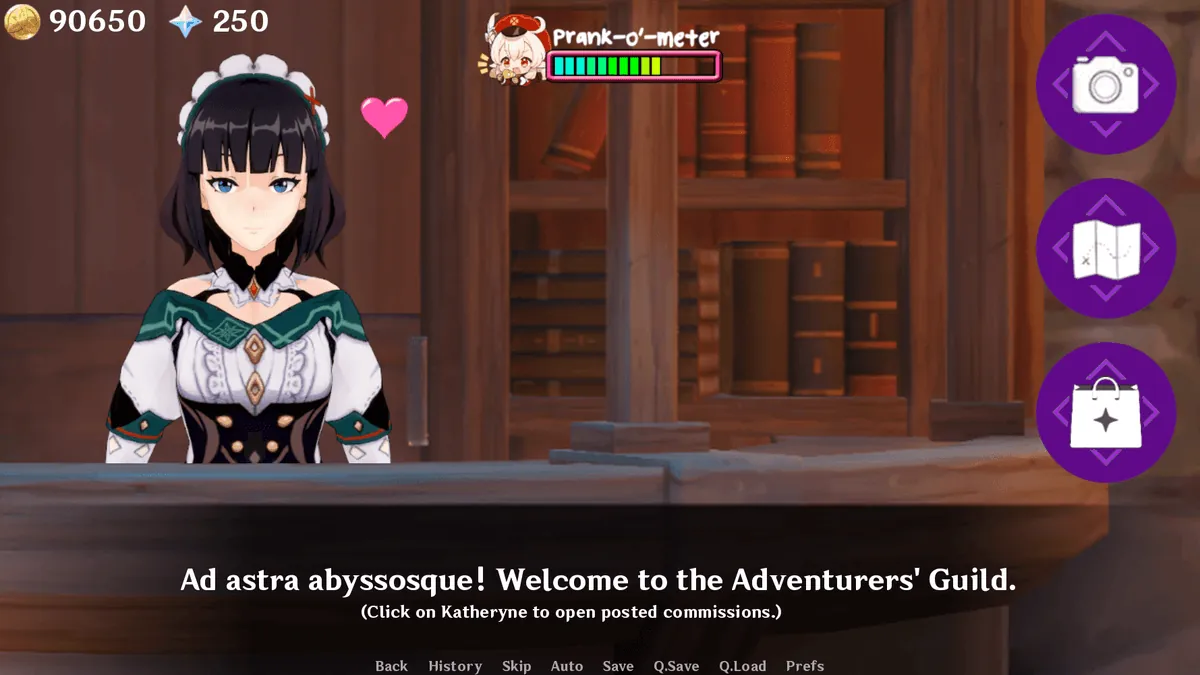
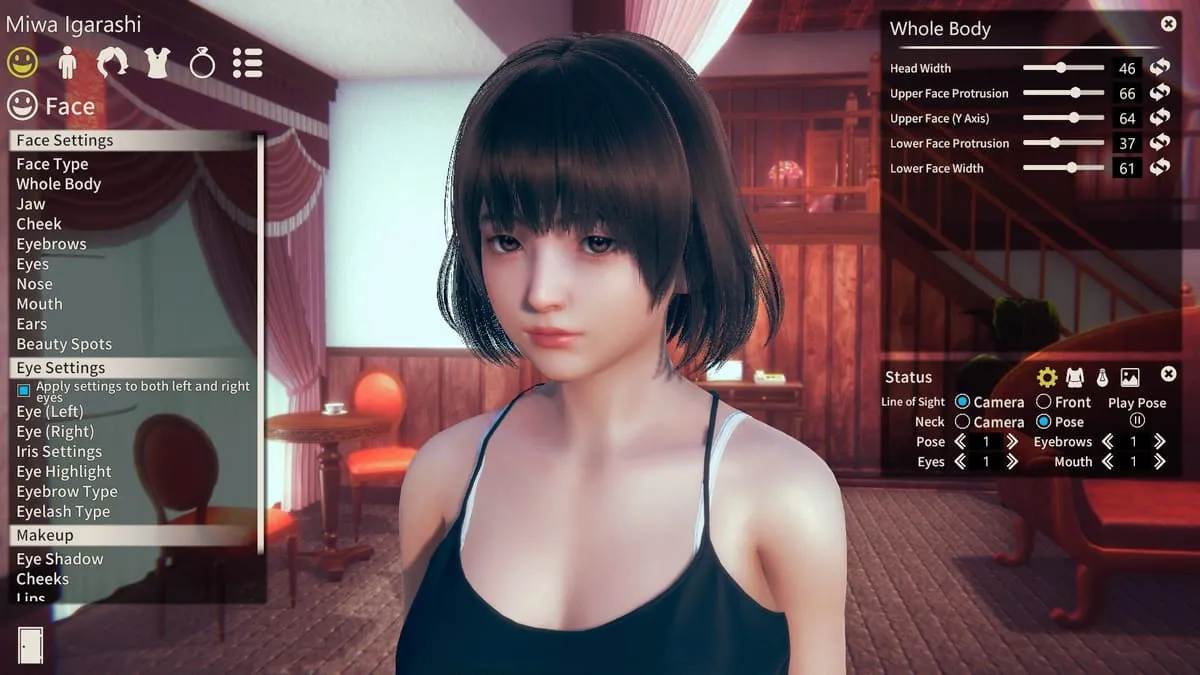
Unnatural Instinct Screenshots







Unnatural Instinct review
Explore bold storytelling and unconventional mechanics in this unique interactive experience
Unnatural Instinct stands out in the interactive fiction landscape for its bold storytelling and unconventional mechanics that challenge traditional narrative structures. This comprehensive guide explores what makes this game unique, from its innovative approach to player choice and consequence to its distinctive artistic direction. Whether you’re a seasoned interactive fiction enthusiast or new to the genre, understanding Unnatural Instinct’s core features and design philosophy will help you appreciate its creative ambitions and engaging gameplay experience.
Understanding Unnatural Instinct’s Core Gameplay and Mechanics
Let me tell you about the first time Unnatural Instinct truly clicked for me. I was playing a scene where my character, a detective grappling with a fractured psyche, was interrogating a suspect. In a typical game, I’d be given a dialogue tree: “Accuse,” “Sympathize,” “Ask about the alibi.” But here, the options were presented as fleeting, almost intrusive thoughts. One was a memory of my character’s own past failure, another was a paranoid observation about a flickering light in the room, and a third was a cold, logical deduction about the suspect’s story. I wasn’t just picking what to say; I was choosing which part of my character’s crumbling mind to listen to in that moment. That’s the heart of Unnatural Instinct gameplay mechanics—it’s not about what you do, but how you think about what you do.
This approach represents a seismic shift in interactive fiction unconventional design. Forget the branching narratives you know; this is about bending the very medium to fit the story’s soul. If you’ve ever felt that your choices in a game were just illusions leading to the same few endings, prepare for a system that treats your decisions with terrifying sincerity. 🧠 This chapter is your guide to understanding how does Unnatural Instinct work at its core, transforming confusion into mastery as you learn to navigate its brilliant, bewildering systems.
### What Makes Unnatural Instinct Different from Traditional Interactive Fiction
At its foundation, Unnatural Instinct asks a radical question: what if the game’s interface itself was part of the narrative? Traditional interactive fiction often presents a stable, reliable framework—a text parser or a tidy list of choices that serves as a neutral window into the story. Unnatural Instinct smashes that window. Its Unnatural Instinct narrative structure is inseparable from its mechanics; they are designed to disorient, challenge, and reflect the protagonist’s unstable reality.
Think of it this way: in a standard game, you use a toolset (inventory, dialogue, skills) to solve problems in the world. In Unnatural Instinct, the toolset is the problem, and learning to use it is the central journey. This interactive fiction unconventional design philosophy manifests in several key ways that define the experience right from the start.
Here are the key gameplay mechanics that define the Unnatural Instinct experience:
* The Instinct Wheel: 🎡 Replacing traditional stats or attributes, this is a dynamic, shifting representation of your character’s mental and emotional state. Its segments—like Doubt, Certainty, Empathy, and Impulse—grow, shrink, and conflict based on your choices.
* Cognitive Verbs Over Action Verbs: You won’t just “USE key” or “TALK to guard.” You engage with the world through verbs like RATIONALIZE, SUPPRESS, FIXATE, or RELIVE. Your action is a mode of thinking.
* The Memory Resonance System: Past decisions don’t just lock doors; they echo. A choice made in Chapter 1 might subtly alter the description, tone, or even available options in Chapter 4, creating a deeply personal player choice and consequence system.
* Unreliable Narration & Interface: The text you read, the menu that appears, even the save/load functions can be subverted by the story. This isn’t a bug; it’s a feature that directly feeds into Unnatural Instinct player agency by making you question everything, including the game itself.
To visualize the core shift, let’s look at this comparison:
| Traditional Interactive Fiction | Unnatural Instinct’s Approach |
|---|---|
| Choices are clear, textual commands or buttons. | Choices are often abstract, emotional, or sensory impulses. |
| The narrative path is a branching tree with clear junctions. | The narrative is a tangled web or a flowing river with undercurrents; paths influence each other. |
| The interface is a stable, transparent tool for the player. | The interface is an expressive, often unstable, part of the narrative itself. |
| Consequences are often plot-based (Character A lives or dies). | Consequences are primarily psychological and perspectival (You *see* Character A differently). |
This fundamental difference means you’re not just guiding a protagonist through a plot. You are actively participating in the construction—and sometimes deconstruction—of their consciousness. The Unnatural Instinct gameplay mechanics are the language of that consciousness, and learning it is the game’s greatest puzzle and reward. 🔮
### How Unconventional Mechanics Shape Your Gaming Experience
So, what does this feel like in practice? It feels like the game is reading your mind as much as you are reading its text. The mechanics are not just a way to interact; they are the primary storytellers, creating moments of profound unease, revelation, and agency that standard systems simply cannot replicate.
Let me give you a real gameplay scenario. In one segment, you are exploring an abandoned family home. A standard game might have you find a diary entry to unlock backstory. Unnatural Instinct, however, uses its Memory Resonance System. Earlier, I chose to FIXATE on a photograph of a broken vase. Hours later, in the home, the description of the fireplace mantel spontaneously included a mention of “a faint, clean circle in the dust, the size of a small vase.” The game didn’t highlight this. It didn’t say “YOU REMEMBERED THE PHOTO!” It just quietly changed the world’s description based on my prior focus. I felt a chill—not because of a jump scare, but because my own pattern of attention had literally altered my perception of the game world. That is interactive fiction game mechanics explained not as rules, but as narrative magic.
This interactive fiction unconventional design extends to pacing and challenge. There is no “health bar” to manage. Instead, your Instinct Wheel is your vital sign. Pushing too hard on LOGIC during an emotional scene might cause your EMPATHY segment to fracture, limiting future compassionate options. The “learning curve” new players talk about isn’t about difficulty; it’s about learning to think in a new language. At first, the abstract choices can feel intimidating. 🤯
My advice? For your first hour, don’t try to “win” or find the “best” choice. Play like you’re in a dream. Follow the impulse that feels most intriguing or thematically resonant. The system is designed to be responsive, not punitive.
The mechanics become intuitive when you stop fighting them and start listening to them. When your screen glitches subtly as your character doubts their sanity, or when the option to RATIONALIZE a terrifying event pulses more insistently than the option to FLEE, the game is having a direct conversation with your instincts. This creates a uniquely immersive loop: the game’s systems affect the narrative, which in turn affects your emotional state, which guides your next interaction with the systems. It’s a brilliant, self-reinforcing circle of storytelling.
### The Role of Player Choice and Consequence in Unnatural Instinct
This brings us to the crown jewel of the experience: the player choice and consequence system. In most games, consequences are transactional and often deferred. You choose Option A, so later, Event B happens. Unnatural Instinct’s system is ecological and immediate. Every choice is a stone dropped into the pond of the protagonist’s mind, and the ripples touch everything—tone, perception, language, and possibility.
Unnatural Instinct player agency is profound because it operates on a psychological level. You aren’t deciding if a kingdom goes to war; you’re deciding which memory your character clings to for comfort, which trauma they confront today, and which lie they tell themselves to get through the night. The consequence isn’t a changed geopolitical landscape; it’s a changed internal landscape. For example, consistently choosing the SUPPRESS verb when faced with fear might make your character outwardly calm, but it could cause IMPULSIVE actions to become more volatile and dangerous later, as the suppressed emotion seeks a sudden outlet. 🪤
The Unnatural Instinct narrative structure is built to absorb these psychological shifts. There is no single “true ending” hidden behind a perfect set of choices. Instead, there are spectra of conclusions—variations on themes of resolution, denial, surrender, or transformation. Your playthrough’s ending feels less like a reward for correct answers and more like a diagnosis of the unique psyche you’ve collaboratively built with the game.
This is where the game’s Unnatural Instinct gameplay mechanics achieve their masterpiece. The consequence is often the erosion or reinforcement of your own ways of thinking. I remember a late-game confrontation where, after a playthrough of embracing CERTAINTY, my dialogue options were all stark, absolutist declarations. They felt powerful and decisive. In a second playthrough, where I nurtured DOUBT, the same confrontation presented only questions and hesitant observations. I didn’t feel powerful; I felt curious and vulnerable. The scene was the same. The mechanics of my available agency, filtered through the Instinct Wheel, made it a completely different story. That is the power of its player choice and consequence system.
Ultimately, understanding how does Unnatural Instinct work is understanding that it has traded the illusion of controlling a story for the reality of co-authoring a state of mind. Its mechanics are the pen, and your choices are the handwriting—sometimes clear, sometimes frantic, always uniquely yours. It’s a challenging, sometimes uncomfortable, but unquestionably groundbreaking journey that redefines what interactive fiction can be. Your agency isn’t just respected; it’s essential, terrifying, and beautiful. ✨
Unnatural Instinct represents a significant achievement in interactive fiction, combining bold storytelling with unconventional mechanics that challenge players to think differently about narrative games. The game’s commitment to meaningful player choice, consequence-driven gameplay, and thematic depth creates an experience that resonates with both casual players and dedicated interactive fiction enthusiasts. Whether you’re drawn to innovative narrative design, engaging character development, or the satisfaction of seeing your choices shape the story, Unnatural Instinct offers a compelling reason to explore what modern interactive fiction can achieve. If you’re ready to experience a game that prioritizes player agency and narrative innovation, Unnatural Instinct awaits your discovery.