Undercover Love
Play Undercover Love
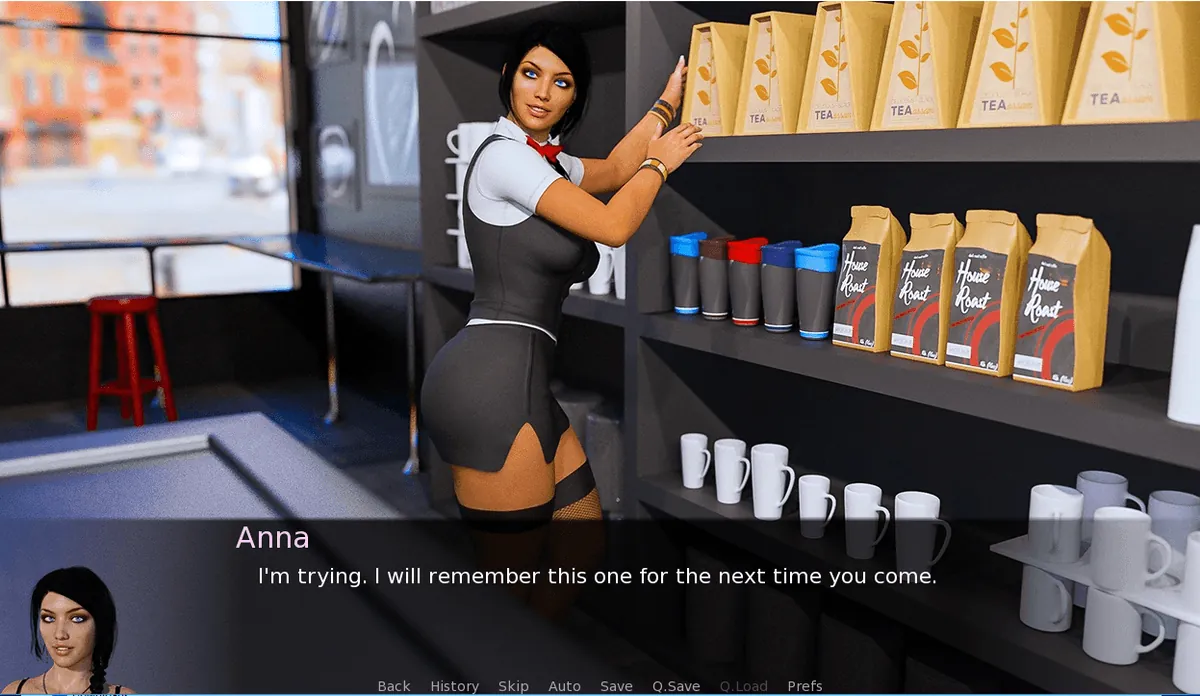
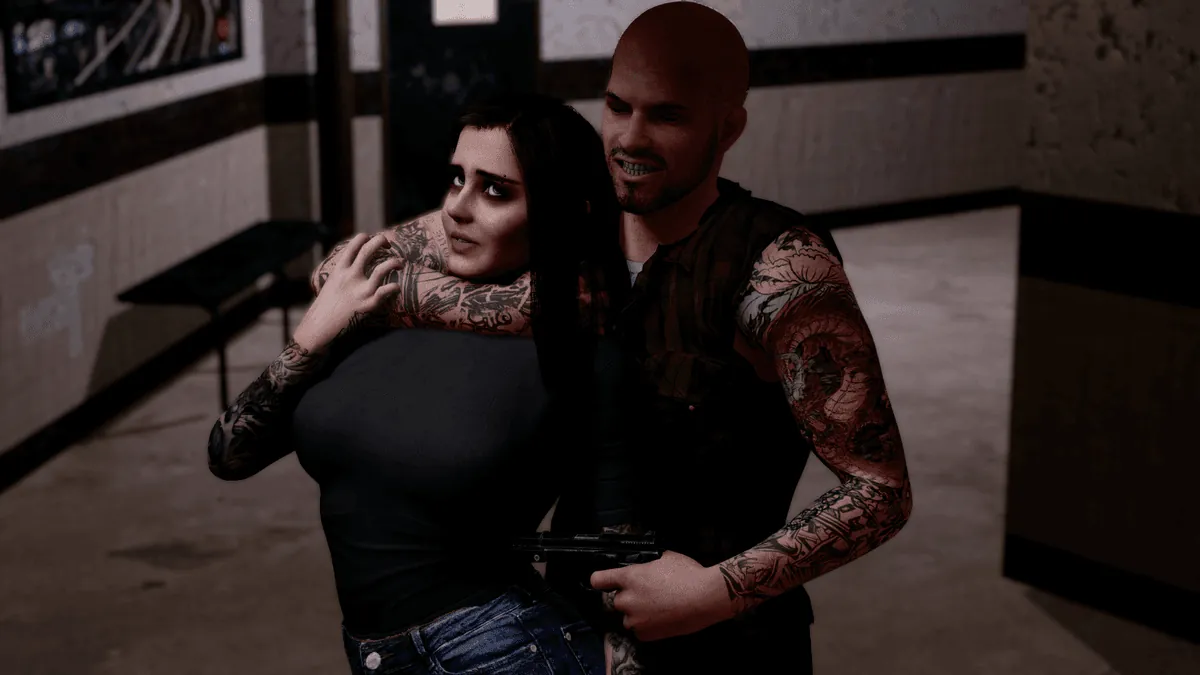
Undercover Love Screenshots






























Undercover Love review
Complete overview of mechanics, character routes, and what makes this adult visual novel stand out
Undercover Love represents a sophisticated approach to adult gaming, blending narrative depth with meaningful player agency. Unlike traditional linear visual novels, this game emphasizes strategic decision-making, character relationship building, and multiple branching storylines. Players take on the role of a protagonist navigating complex relationships while managing various gameplay mechanics. The game features intricate character routes, skill-based progression, and consequences that genuinely impact your experience. Whether you’re interested in the stealth mechanics, relationship dynamics, or story branches, understanding the core systems will enhance your gameplay significantly.
Core Gameplay Mechanics and What Sets This Game Apart
Ever felt like you’re just clicking through a predictable story in an adult game, waiting for the next scene to unlock? 🎭 You’re not alone. Many visual novels offer the illusion of choice, but the path feels pre-destined. That’s where Undercover Love flips the script entirely. This isn’t a passive experience; it’s a high-stakes operation where your decisions, from the clothes you wear to the words you whisper, directly shape the mission and your relationships. The core of the Undercover Love gameplay mechanics is a thrilling blend of espionage strategy and intimate storytelling, putting unparalleled player agency in visual novels front and center.
Let’s pull back the curtain on what truly makes this game tick. 🕵️♀️
How the Mission-Based System Works
Forget linear chapters. In Undercover Love, your world revolves around missions. Think of it as your professional—and deeply personal—job. You are an operative, and your handler provides objectives that form the backbone of the mission-based visual novel system. A mission might be “Gather intel on a corporate gala” or “Secure a confidential document from a secure penthouse.” But here’s the catch: the how is entirely up to you.
This structure creates a captivating gameplay loop:
1. Briefing & Planning: You receive your mission dossier. This is where you assess your target, location, and objectives. You’ll check your available skills—like Persuasion, Tech, or Observation—and your wardrobe. Yes, your outfit is a tactical decision! 🧥
2. Execution: You enter the location. The game presents you with an environment to explore. Will you use stealth gameplay to slip past guards, hack a terminal using your Tech skill, or charm a key witness with a perfectly timed dialogue choice?
3. Adaptation & Consequences: Nothing ever goes 100% to plan. A character might catch you snooping, or a conversation might take an unexpected turn. Your choices here create immediate branching paths. Success might net you crucial intel and build trust. Failure could lead to a different, often hilarious or revealing, scene that advances the plot in its own unique way.
4. Debrief & Evolution: After the mission, you see the impact. Relationship meters shift based on your actions, new skills may unlock, and the story world reacts. Did you make an enemy? An ally? Or something more complicated?
This system fundamentally changes the pace and engagement. You’re not just watching a story unfold; you’re actively conducting it, operation by operation.
To see just how different this approach is, let’s break it down side-by-side:
| Feature | Typical Adult Adventure Game | Undercover Love |
|---|---|---|
| Core Gameplay | Linear story progression; click to advance pre-written scenes. | A dynamic mission-based visual novel system where players plan and execute objectives, creating a unique gameplay loop for each operation. |
| Player Agency | Illusion of choice; selections often lead to the same outcome or simply skip to content. | True player agency in visual novels; dialogue, stealth, and skill checks create genuine branching paths that alter story outcomes and character relationships. |
| Replay Value | Limited; often just to see different romantic scenes with different characters. | Extremely high. Different mission approaches, secret routes, a New Game+ mode, and the consequences of failure encourage multiple, vastly different playthroughs. |
| Character Depth | Characters often exist primarily as romantic targets with set personalities. | Characters have complex, hidden motivations. Unlocking their true selves requires navigating layered relationship meters game mechanics and making choices that resonate with their personal stories. |
🛡️ Pro Tip: On your very first playthrough, resist the urge to save-scum or follow a guide. Embrace the failures and unexpected outcomes. Some of the game’s most memorable, character-revealing moments come from things going horribly (and hilariously) wrong. You can always optimize for specific routes later!
Now that you understand the operational framework, let’s get into the nitty-gritty of how you actually play.
Stealth, Dialogue, and Player Agency
This is where the rubber meets the road in Undercover Love gameplay mechanics. Every mission is a puzzle, and you have multiple tools to solve it. It’s not just about picking the “right” option; it’s about choosing the option that fits your operative’s style and the relationship you want to build.
The Stealth Layer: More Than Just Hiding 🚨
As a stealth gameplay adult game, Undercover Love integrates tension seamlessly. You’ll navigate environments with patrolling NPCs, security cameras, and locked doors. Your Observation skill might highlight a vent entrance. Your Tech skill could be used to loop camera footage for a 30-second window. But stealth isn’t mandatory. Sometimes, getting “caught” can be a strategic choice, leading to a conversation that opens a new path. This flexibility is key to the game’s design.
The Dialogue Engine: Your Most Powerful Weapon 💬
This is the heart of the dialogue choices and branching paths system. Conversations are never simple A/B/C fluff. Options are filtered through your current skills, your relationship status with the character, and even your wardrobe.
- A high Persuasion skill might unlock a smooth, convincing lie.
- A low Insight skill might mean you miss a subtle tell in someone’s expression, leading you down a riskier path.
- Wearing formal attire at a black-tie event might make certain high-society dialogue choices available, while underdressing could force you to rely on bluffing or stealth.
The game remembers your choices, big and small. A lie you tell in Mission 2 might be referenced—and potentially unravel—in Mission 5. This creates a web of consequences that makes every interaction feel weighty and authentic.
The Symphony of Choice 🎻
True player agency in visual novels means your approach in one area affects the others. Choosing a stealthy approach might mean you miss a key conversation that would have given you leverage. Choosing a direct, social approach might force you into a confrontation you’re not skilled enough to win. Undercover Love masterfully weaves these systems together, ensuring that your unique combination of skills, choices, and style creates a story that is distinctly yours. This skill-based progression system means two players can have dramatically different experiences and outcomes from the same mission briefing.
- Wardrobe is Weaponry: Always check your outfit against the mission brief. A cocktail dress opens different doors than tactical gear—literally and figuratively.
- Fail Forward: Your first run is for discovery. Don’t reload if you botch a hack or say the wrong thing. See where the game takes you; it’s often more interesting than perfect success.
- Specialize, Then Diversify: On later playthroughs, focus on maxing out one or two skills early to unlock specific branching paths and secret interactions you missed before.
Relationship Meters and Character Progression
In many games, a “relationship meter” is just a progress bar you fill up with compliments. In Undercover Love, it’s a dynamic, multi-faceted psychological profile. The relationship meters game mechanics here are about understanding, trust, and conflict, not just affection.
These meters are often hidden or vaguely defined, represented by subtle cues in dialogue and character animation. You won’t see a “+5 Love” pop-up. Instead, you’ll notice a character becomes more open with their backstory, or trusts you with a dangerous secret. This design choice forces you to engage authentically with the characters, reading their emotions and responding accordingly.
Depth Over Data 📊
Each character has their own motivations, fears, and secrets that are completely separate from your romantic pursuit. A character might have a meter for “Professional Respect” and another for “Personal Trust.” Sometimes, advancing one can lower the other. Winning their heart isn’t about always saying “yes”—it might require challenging them, betraying a minor directive to help them, or failing a mission together. The most significant, character-defining scenes are locked behind these layers of genuine narrative progression, not just point accumulation.
Progression is Personal 🔓
Your skill-based progression system is directly tied to this. Succeeding in Persuasion checks with a certain character might unlock a deeper branch of their personal story. Investing in your Tech skill might allow you to help another character with a problem they’ve been hiding, triggering a major shift in their meter. Your operative grows not in levels, but in capabilities that open new narrative avenues.
This all feeds into the game’s incredible replayability. New Game+ allows you to start over with your hard-earned skills, letting you access previously locked paths from the very first mission. There are entire secret routes and endings tied to specific, non-obvious sequences of choices and failures. It’s a game that rewards curiosity, patience, and playing from the heart—not just from a guide.
Ultimately, the genius of Undercover Love’s mechanics is how they serve the story. The mission-based visual novel system creates tension and stakes. The dialogue choices and branching paths give your decisions meaning. The relationship meters game mechanics ensure those meanings have emotional depth. Together, they build a world where you’re not just pursuing pixels—you’re navigating the dangerous, exhilarating terrain of undercover work and the human heart. Your mission, should you choose to accept it, is to find your own unique path through it all. 🕶️❤️🔥
Undercover Love distinguishes itself through a thoughtful combination of engaging gameplay mechanics, meaningful player choices, and character-driven storytelling. The game’s emphasis on genuine narrative progression, relationship building, and multiple branching paths creates an experience that rewards both strategic thinking and emotional investment. Whether you’re drawn to the stealth-based mission system, the complex character relationships, or the luxurious Vesper City setting, the game offers substantial replay value through its New Game+ mode and secret routes. The integration of skill-based progression with dialogue choices ensures that your decisions genuinely matter, making each playthrough feel unique. For players seeking an adult visual novel that respects their agency and delivers narrative depth alongside engaging gameplay, Undercover Love represents a compelling choice that transcends typical genre conventions.