
The Void of Deviance
Play The Void of Deviance
The Void of Deviance Screenshots
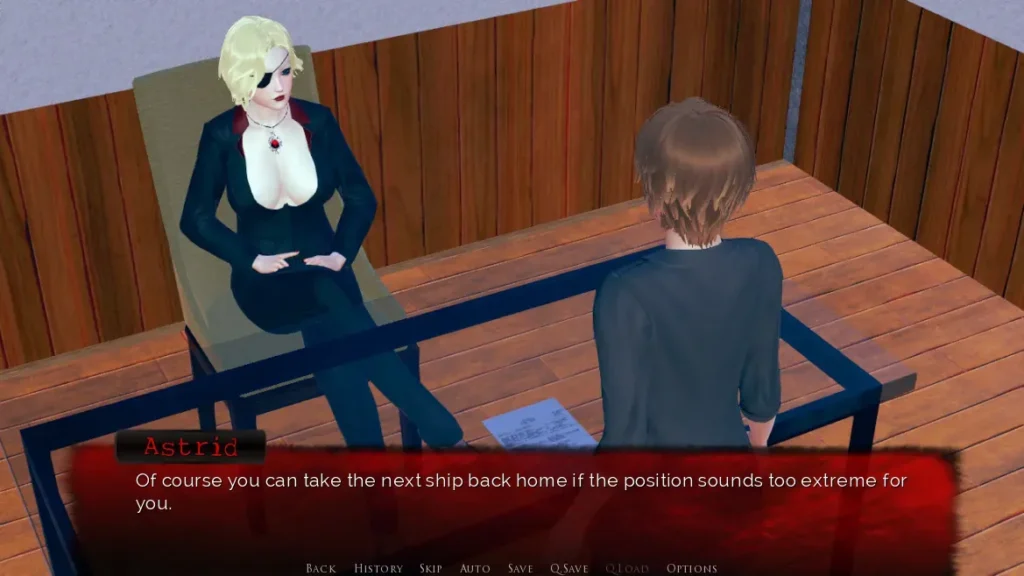

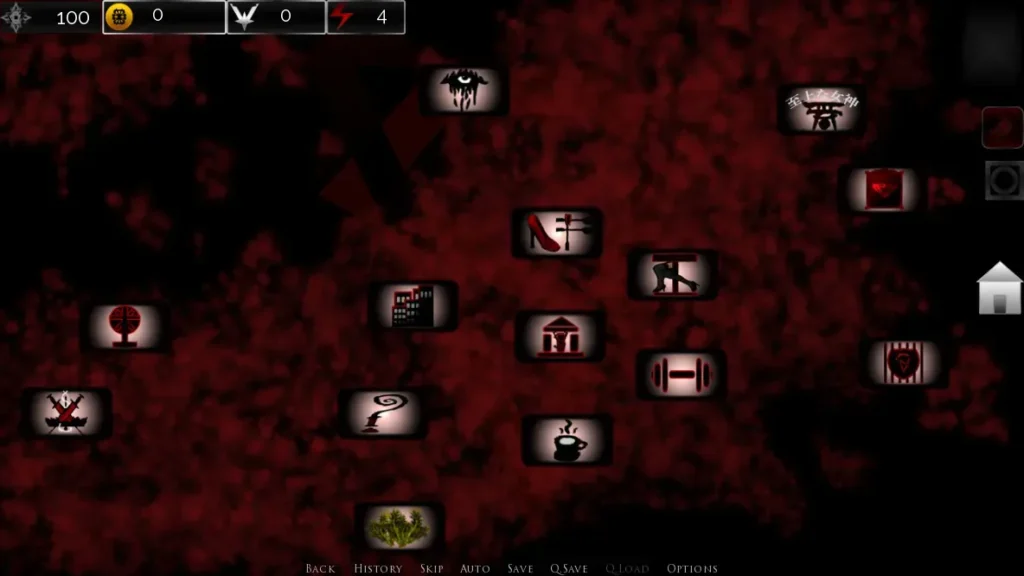
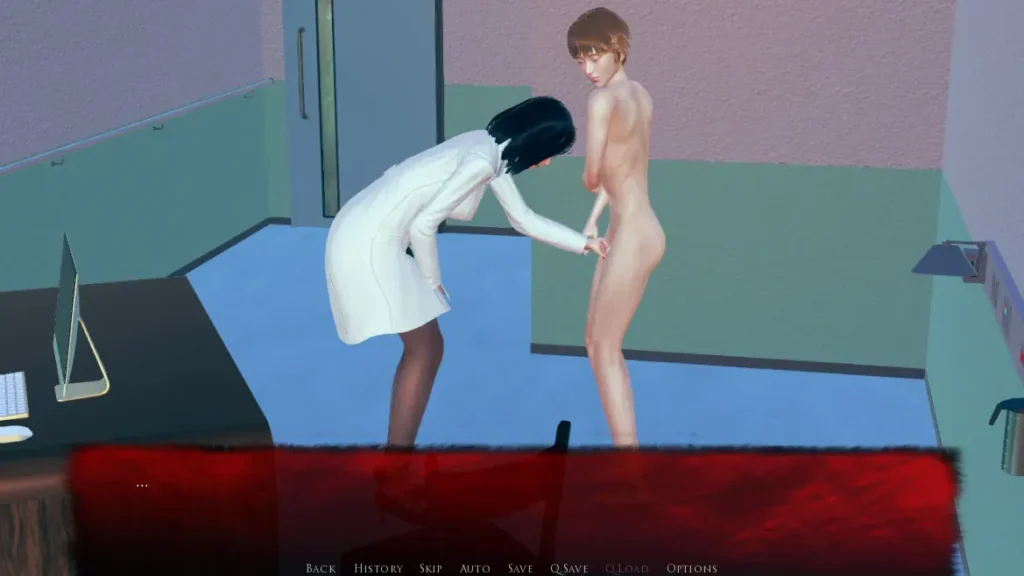
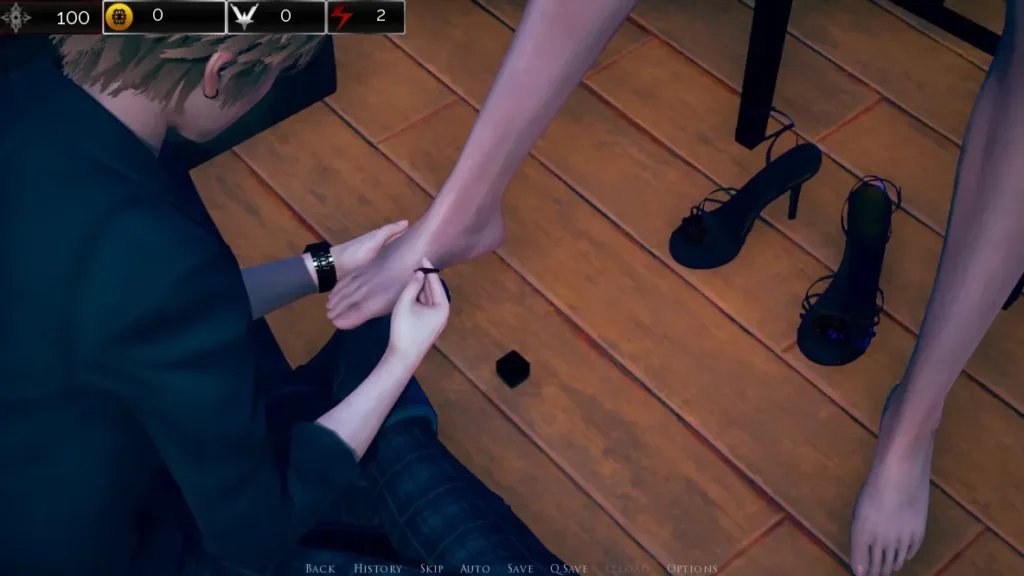
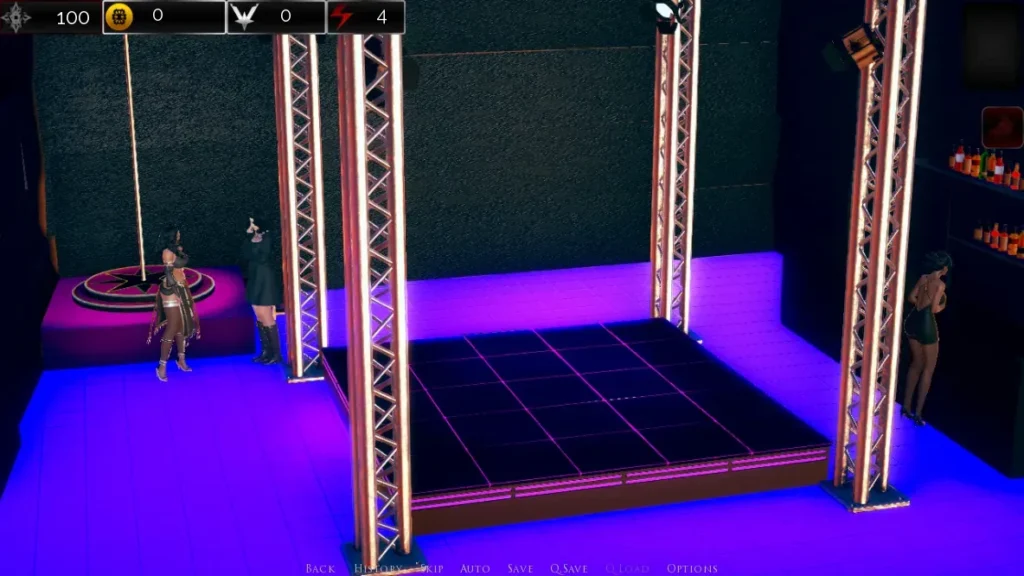
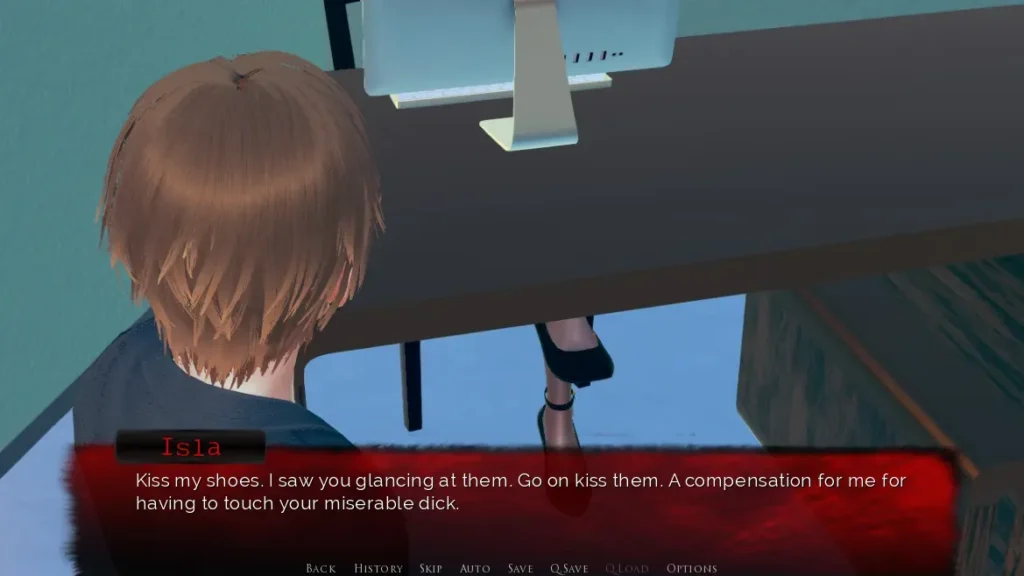
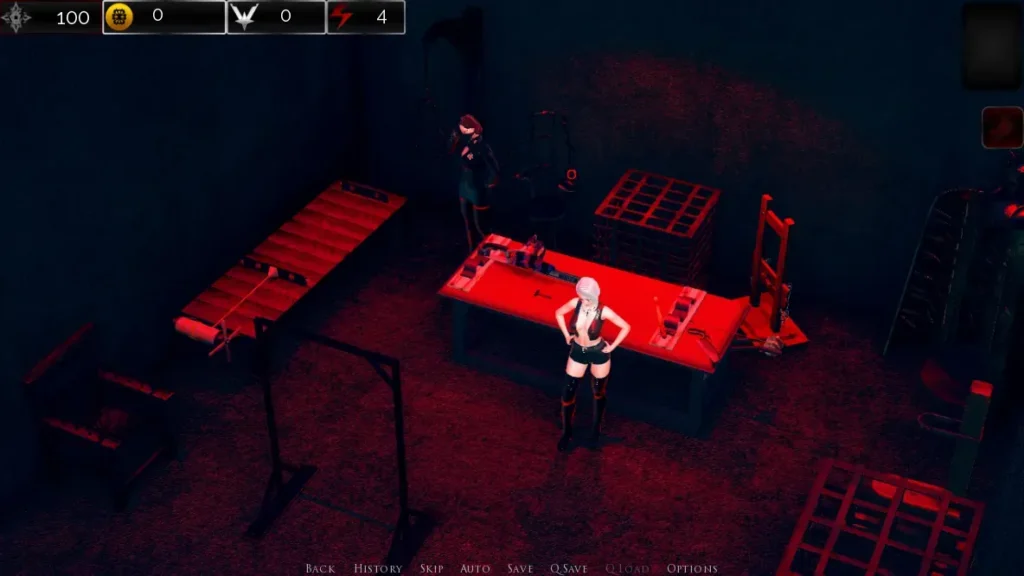

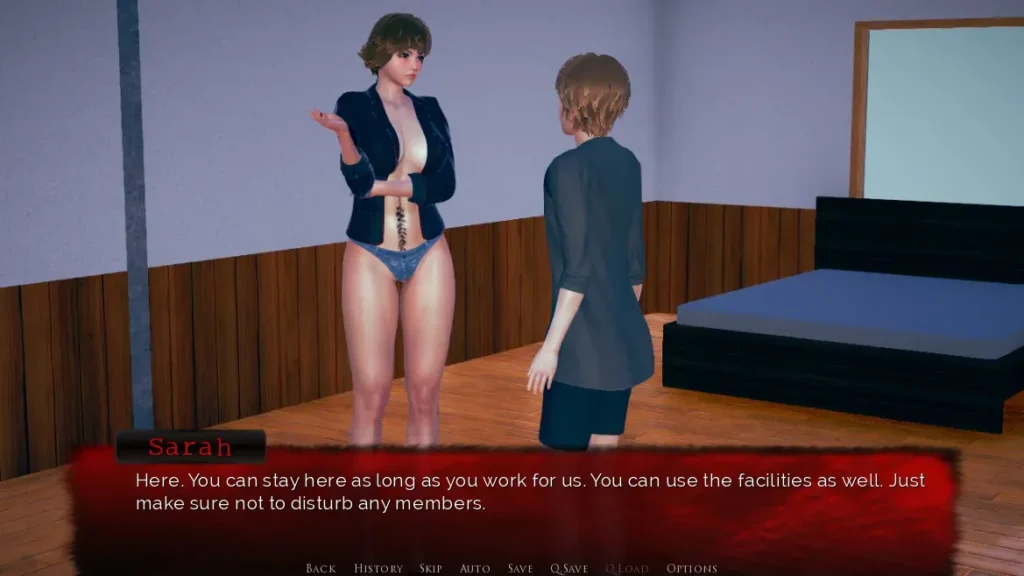
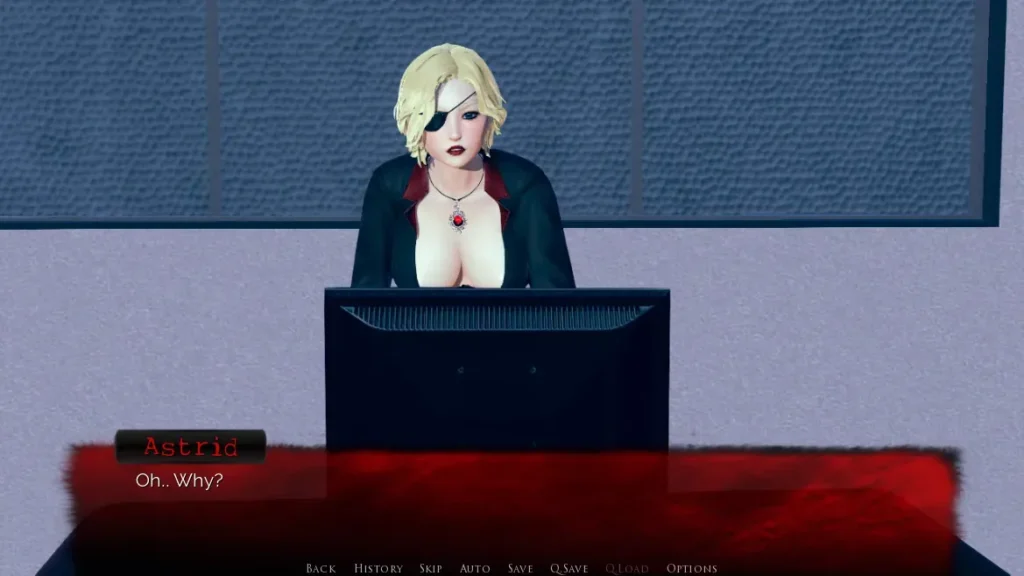


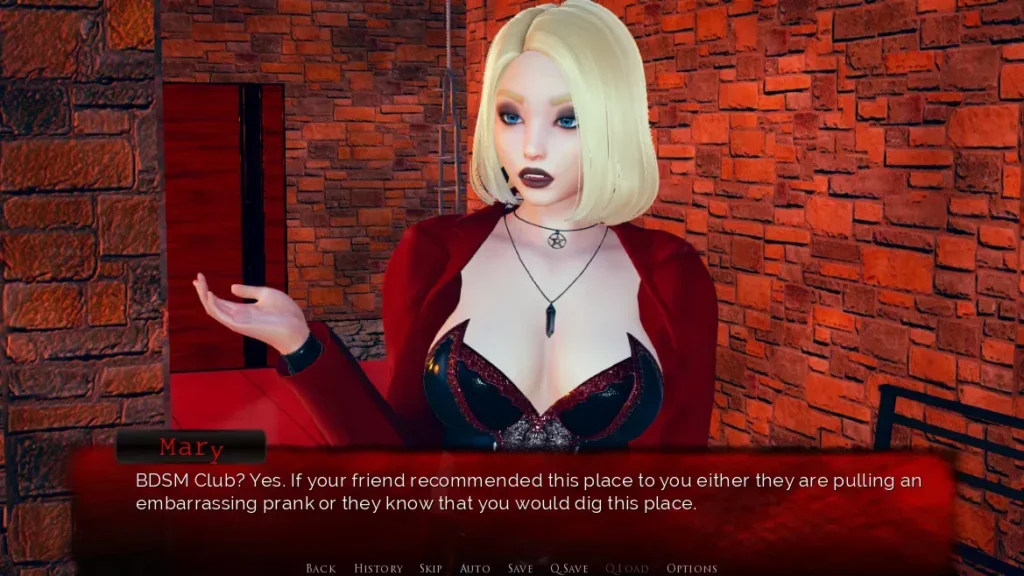
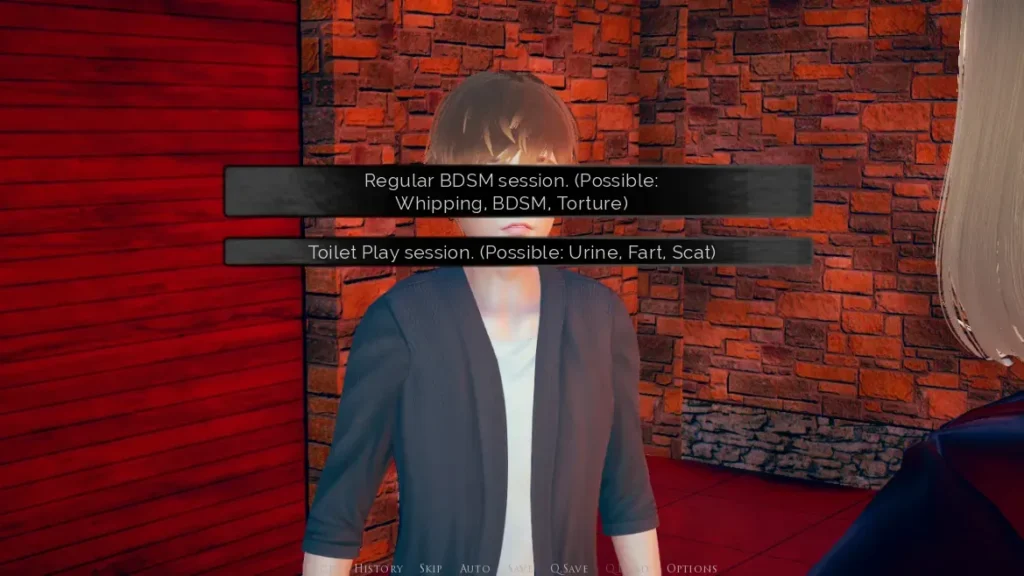
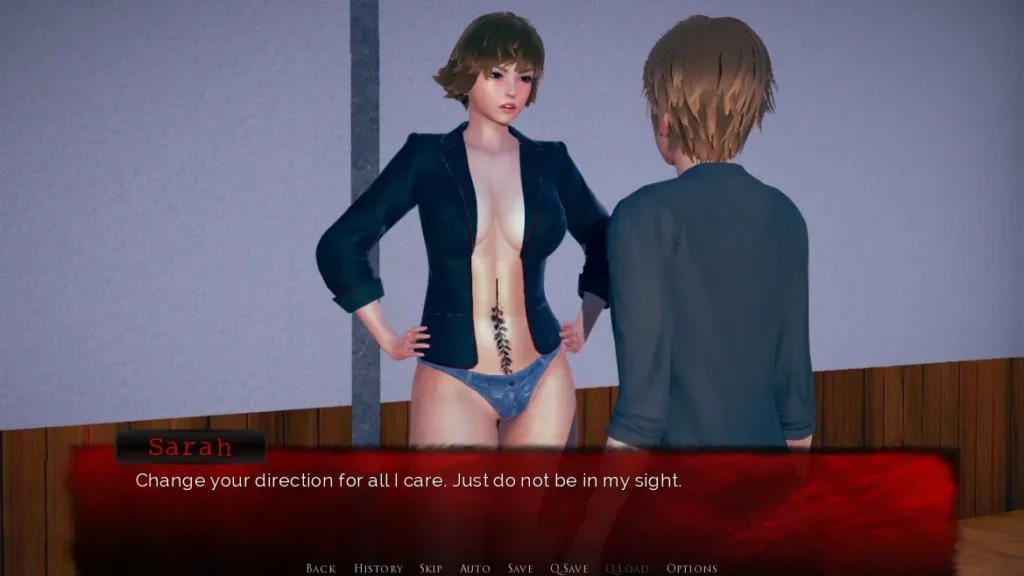
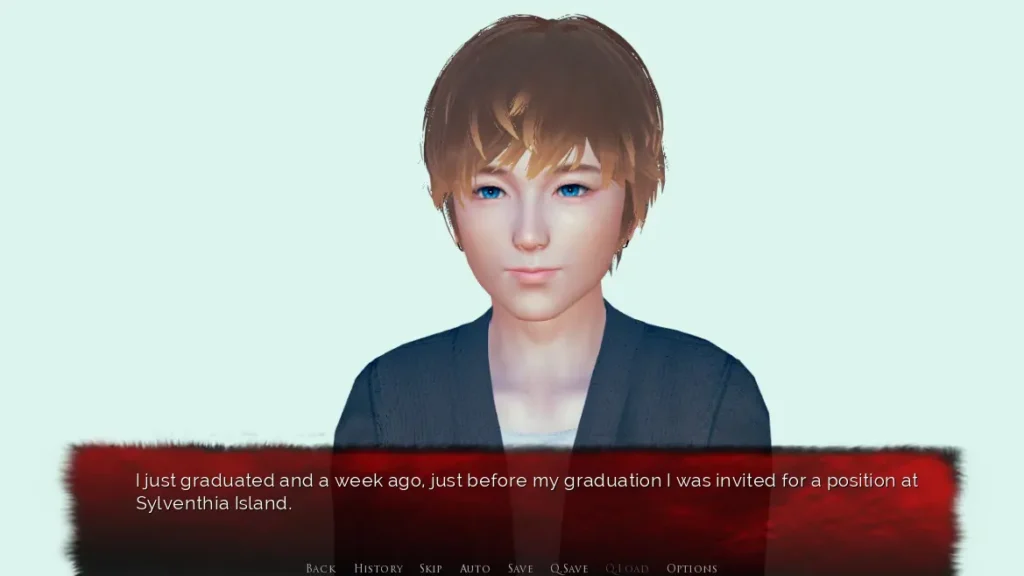
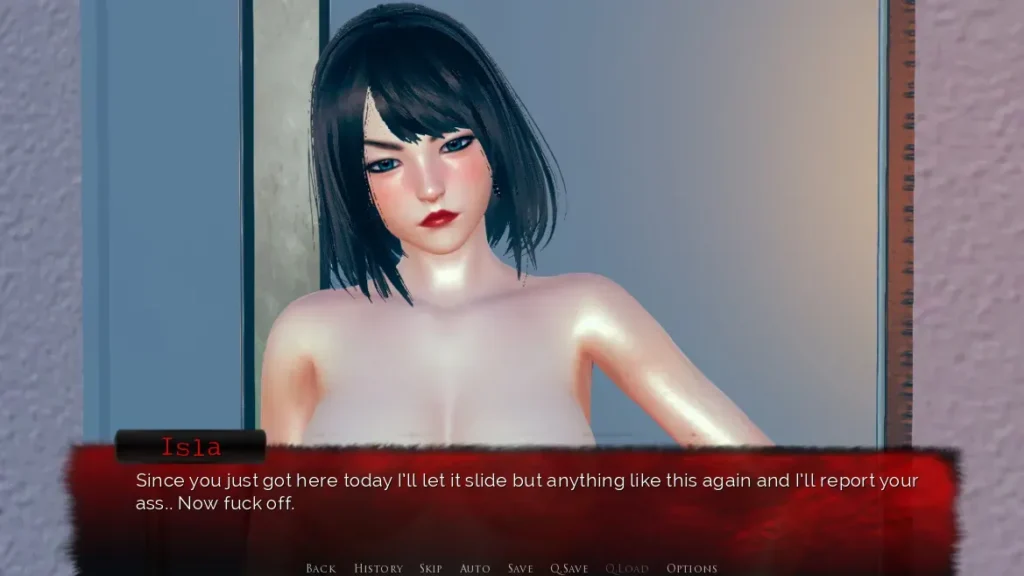
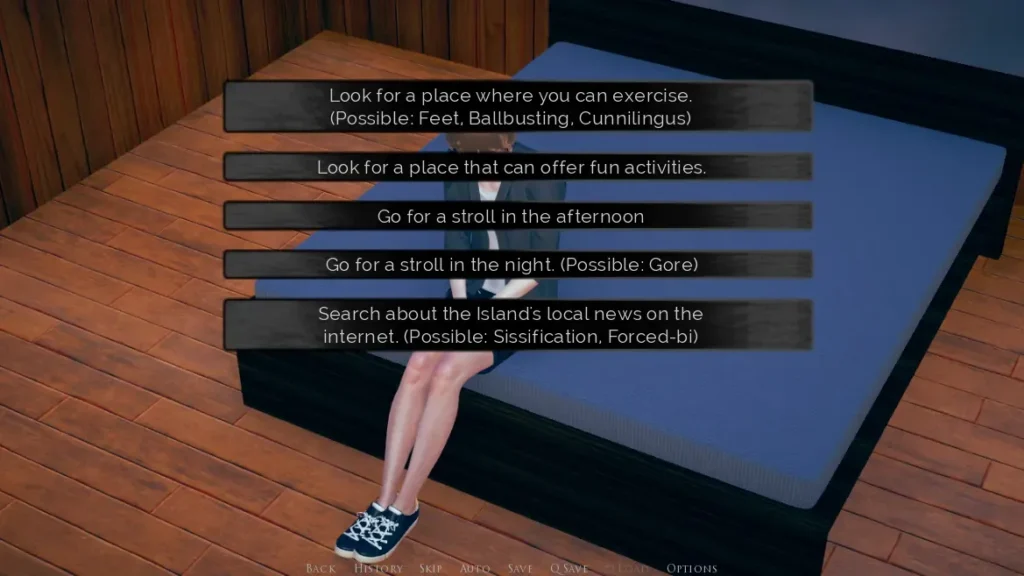
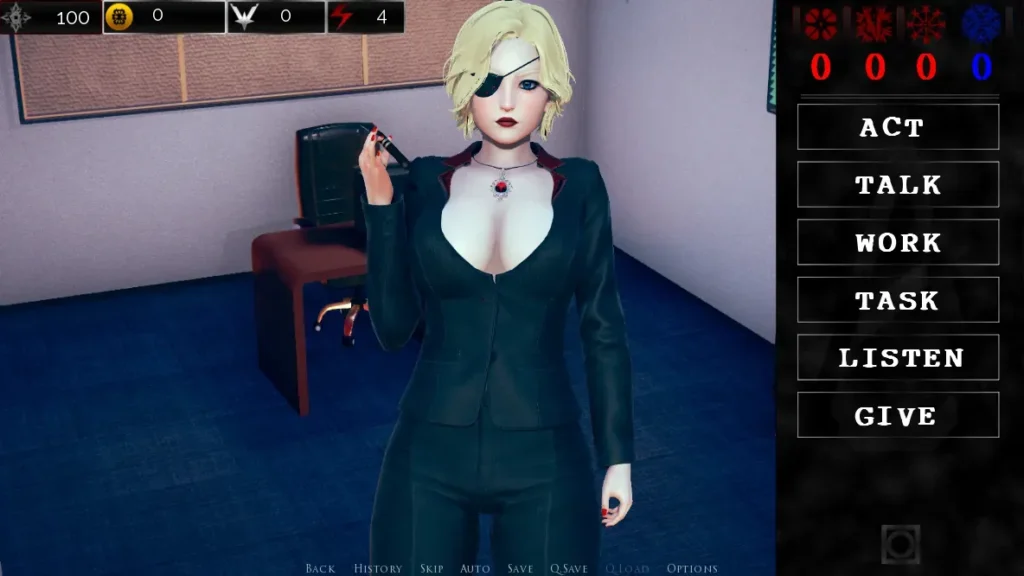

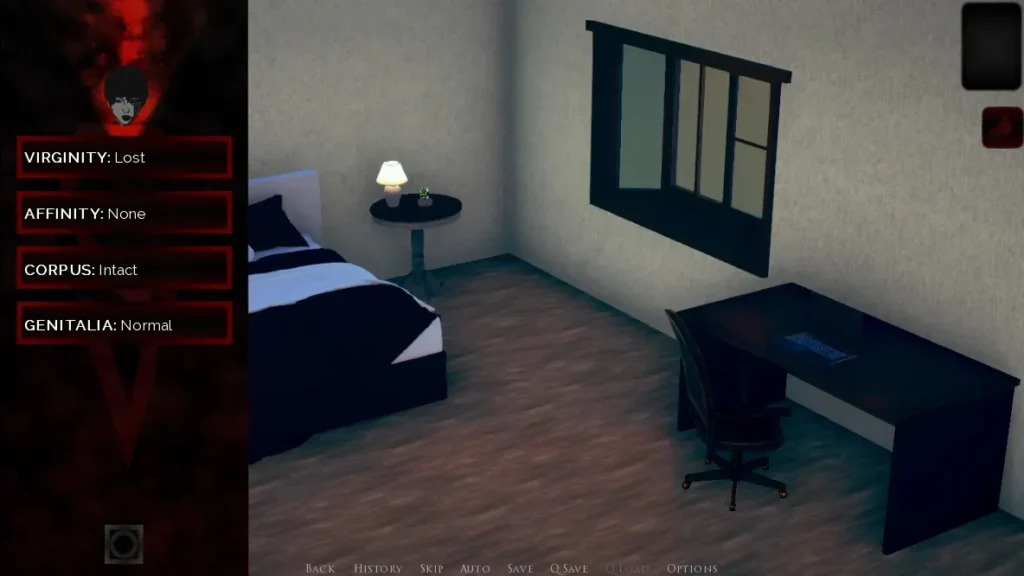

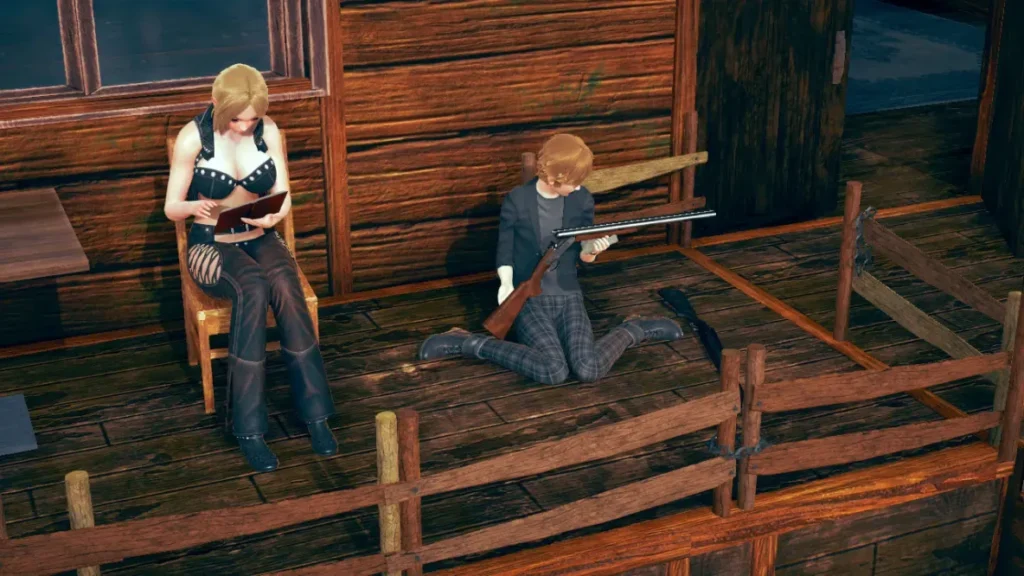
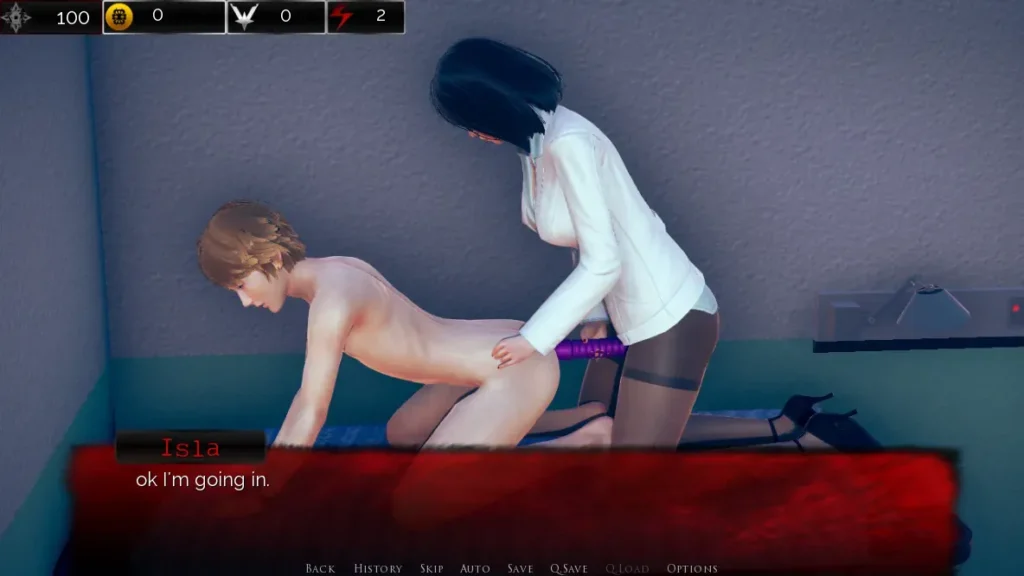

The Void of Deviance review
Explore story, mechanics, characters, and player tips for The Void of Deviance
The Void of Deviance is an interactive adult-themed game set on Sylventhia Island where you join BanKval and unravel the island’s mysteries while navigating strong themes and player-driven choices. This article dives deep into the game’s narrative, systems, character paths, and practical advice to help you make informed choices and get the most from the experience. Whether you’re curious about story beats, character progression, or how to manage content options, this guide offers hands-on insights, personal anecdotes, and actionable tips tailored to The Void of Deviance.
Setting, Premise, and Story Progression in The Void of Deviance
Welcome to Sylventhia Island 🏝️. Imagine a place where the air smells like salt, ambition, and something else… something metallic and cold. This isn’t your typical tropical getaway. It’s the glittering, gilded cage where the story of The Void of Deviance begins. Your new office at the monolithic BanKval corporation has a stunning ocean view, but you’ll quickly learn the real scenery is the labyrinth of corporate secrets and personal agendas unfolding around you. This chapter is your map to understanding the game’s world and how its brilliant, reactive story unfolds with every choice you make.
Let’s unpack the setting, your role, and the narrative machinery that makes this experience so uniquely captivating.
What is Sylventhia Island and BanKval?
Sylventhia Island is the beating heart—and sometimes the aching wound—of this game’s world. On the surface, it’s a pristine, technologically advanced corporate haven, built from the ground up by the financial titan, BanKval. Think gleaming skyscrapers, manicured parks, and employee perks that look incredible on a brochure ✨. But the Sylventhia Island lore runs much deeper. Long before it was a corporate headquarters, the island had its own history, myths, and perhaps even a consciousness that the concrete and glass can’t completely bury. As you explore, you’ll uncover layers of this past, hinted at in forgotten archives, cryptic symbols, and the hushed conversations of long-time residents. The island itself is a silent character in The Void of Deviance story, and understanding its dual nature is key to understanding everything.
And then there’s BanKval. This isn’t just a background company name; it’s the engine of the plot. Your BanKval job role as a new intern (or junior executive, depending on your path) is your ticket onto the island and your lens into its world. You might be in Research & Development, Public Relations, or Internal Security. This isn’t just flavor text; your department subtly shapes which doors are easier to open, which colleagues trust you first, and which strands of the island’s mysteries you encounter early on. Your BanKval job role is your primary identity here, a source of both mundane tasks and incredible peril.
Prologue and early story beats — what to expect
The prologue in The Void of Deviance is a masterclass in subtle world-building and tension-ramping. It functions as both a narrative hook and a seamless gameplay tutorial. You’ll arrive on the island, get your employee badge, meet your key coworkers, and be thrown into the deep end of BanKval’s culture. Expect a mix of:
* Orientation: Learning the basics of navigation and interaction.
* Social Networking: Your first crucial conversations that begin building affinity with other characters.
* The Inciting Incident: Something will happen—a strange event, a found document, a clandestine meeting—that shatters the illusion of a normal corporate internship. This moment is the true start of your personal The Void of Deviance story.
This section is also where the game introduces the concept of prologue and early endings. Yes, you read that right. Your choices carry immense weight from the very first hour. It’s possible, through a series of specific decisions (or critical failures), to conclude your story much sooner than anticipated. These early endings aren’t failures; they are valid, often chilling, narrative conclusions that reinforce the high-stakes environment you’re in. They are a powerful reminder that in this world, not every path leads to the final chapter.
Narrative structure: choices, endings, and pacing
At its core, The Void of Deviance boasts a profoundly choice-driven narrative. This isn’t about picking “good” or “evil” from a menu. It’s about defining who your character is through countless micro-decisions that collectively alter the story’s trajectory. The system is built on two main pillars:
- Branching Dialogue & Actions: Every conversation is a potential fork in the road. Choosing to be empathetic, cynical, professional, or inquisitive doesn’t just change the next line of dialogue—it can lock or unlock entire scenes, characters, and information threads later on.
- The Affinity System: Key characters have hidden affinity scores that track their relationship with you. These aren’t always about friendship; they can measure respect, fear, or suspicion. Reaching certain thresholds opens up unique scenes, confidences, and, crucially, different allies (or enemies) for the game’s major crises.
Let’s look at some branching choices examples without spoilers:
* Example 1: In the first week, a senior manager asks for your “off-the-record” opinion on a colleague. Do you give a honest assessment, diplomatically sidestep, or report the question to someone else? This single choice can determine whether that manager becomes a valuable mentor, a neutral party, or an active obstacle.
* Example 2: You find an object that clearly doesn’t belong in your department. Do you log it with assets, discreetly hand it to a coworker you suspect it belongs to, or keep it to investigate yourself? Each path leads to a completely different mini-arc involving theft, corporate espionage, or blackmail.
Pro Tip: The game rarely shouts “THIS IS A MAJOR DECISION!” It trusts you to pay attention. A throwaway comment in Chapter 1 might be the key to unlocking a door in Chapter 4.
Here’s a personal anecdote that drove this home for me: I was stuck on a puzzle involving a locked terminal. I’d exhausted all my dialogue options with the tech-savvy character who could help. Frustrated, I reloaded a save from two hours earlier, back when I was first helping that character with a seemingly unrelated personal task. The first time, I’d chosen the efficient, work-focused help option. This time, I chose the option that involved taking a longer break and listening to them vent about island life. That built just enough hidden affinity. When I got back to the terminal puzzle, they not only helped but offered a secret bypass code they “weren’t supposed to have,” leading me to a whole hidden scene about BanKval’s early history. It was a moment that completely changed my perception of the Sylventhia Island lore, all from one “insignificant” earlier choice.
Endings and Pacing: The narrative is expertly paced. The prologue establishes the world and stakes. The middle chapters let you explore the consequences of your early choices, deepening relationships and unraveling mysteries. The final act is where all your accumulated alliances, knowledge, and moral standing collide. There is no single “true” ending; there are numerous conclusions, ranging from triumphant to tragic to ambiguously serene, each feeling like the earned result of your unique journey.
Tracking Your Journey & Planning Playthroughs
Because the choice-driven narrative is so dense, a little organization goes a long way.
| What to Track | How to Track It (Practical Advice) |
|---|---|
| Affinity & Relationships | Pay attention to character portraits and email signatures. Subtle changes (a smile, a formal title vs. a first name) often indicate shifted affinity. Keep a notepad or use a simple save file name like ““Save_Name_TrustsMe” or “Save_ArguedWith_Boss”. |
| Major Plot Branches | After key story moments, create a manual save. Don’t just overwrite. Having saves at critical junctures (e.g., “Pre_Gala,” “Post_Blackout”) lets you revisit major forks without replaying everything. |
| Uncovered Lore | The in-game archive is your friend. Key documents you find are stored there. Review it periodically—connections often become clear only in hindsight. |
- Expected Time: The prologue and first full chapter will take most players 3-5 hours. This is the investment zone where you learn the rules and set your course.
- Planning Playthroughs: To experience the breadth of the The Void of Deviance story, plan for at least two wildly different runs. For your first, play instinctively. For your second, consciously make opposite choices: be confrontational instead of polite, secretive instead of transparent, loyal to a different faction. You’ll be shocked at how much new Sylventhia Island lore and character backstory you discover. The prologue and early endings alone are worth revisiting to see how quickly the story can diverge.
Ultimately, the world of The Void of Deviance is not just a backdrop; it’s a reactive entity shaped by your presence. Your BanKval job role is the first thread you pull, and from there, you decide whether to unravel the whole tapestry or try to mend its fraying edges. Every chat by the water cooler, every report filed, every secret kept or exposed is a stitch in the story you’re creating. Now that you understand the lay of the land and the mechanics of the narrative, you’re ready to step off the ferry and into the void 🚢➡️🌌. Good luck. You’ll need it.
The Void of Deviance offers an intricate, choice-driven experience set around BanKval on Sylventhia Island; understanding its narrative structure, character systems, and content controls lets you tailor each playthrough to your interests and limits. Use the practical tips in this guide — save often, experiment with dialogue options, manage content preferences, and prioritize self-care — to discover different storylines and endings responsibly. If you enjoyed this walkthrough, try the suggested save strategies and character-focused approaches in your next playthrough, and consider sharing your discoveries with respectful community spaces.