Tainted Heritage – a.k.a Weird Shit Is Going to Happen
Play Tainted Heritage – a.k.a Weird Shit Is Going to Happen
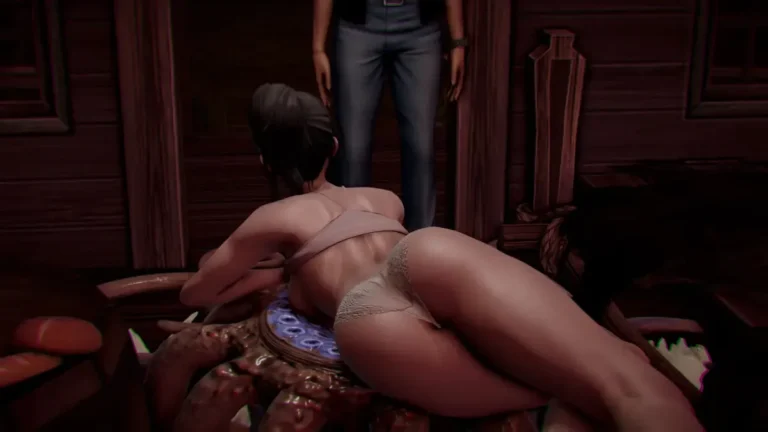
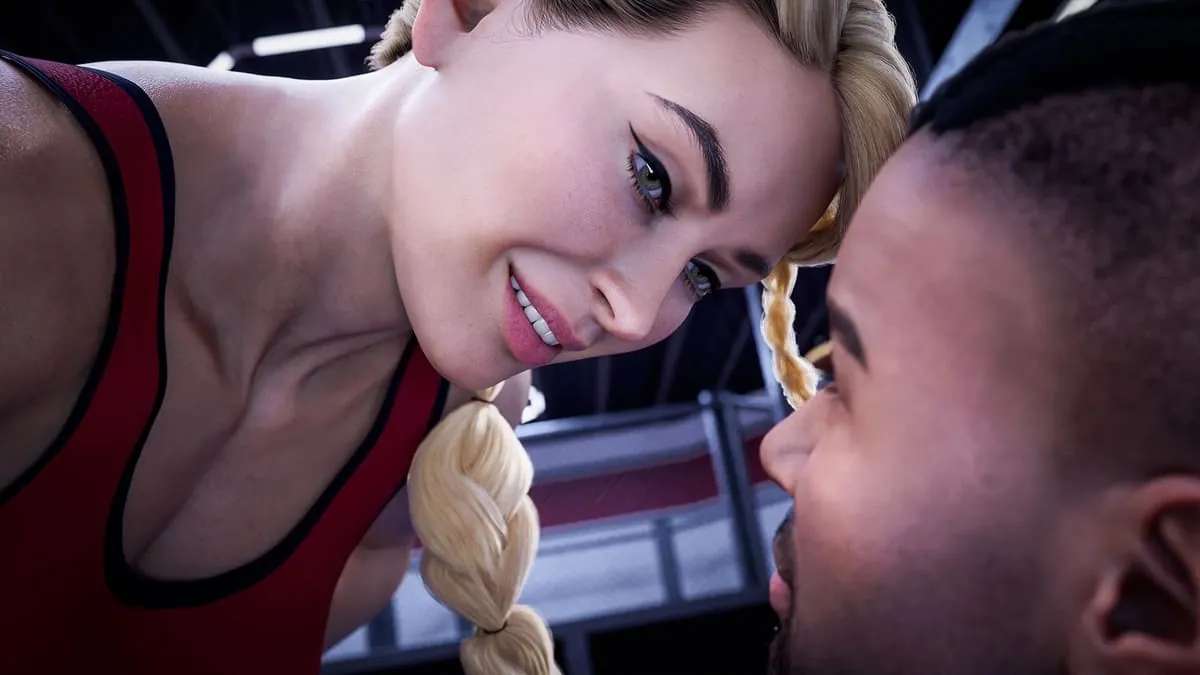
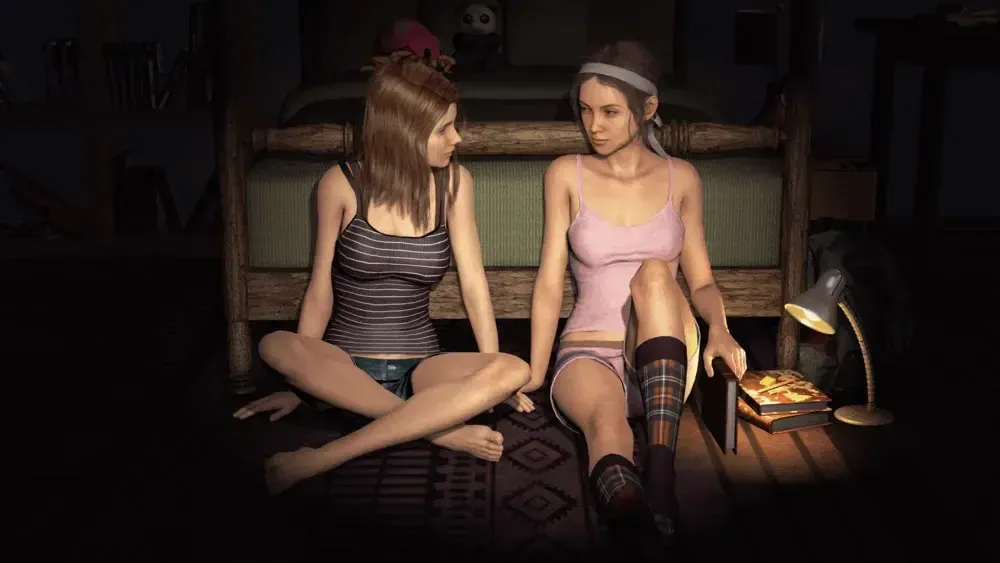
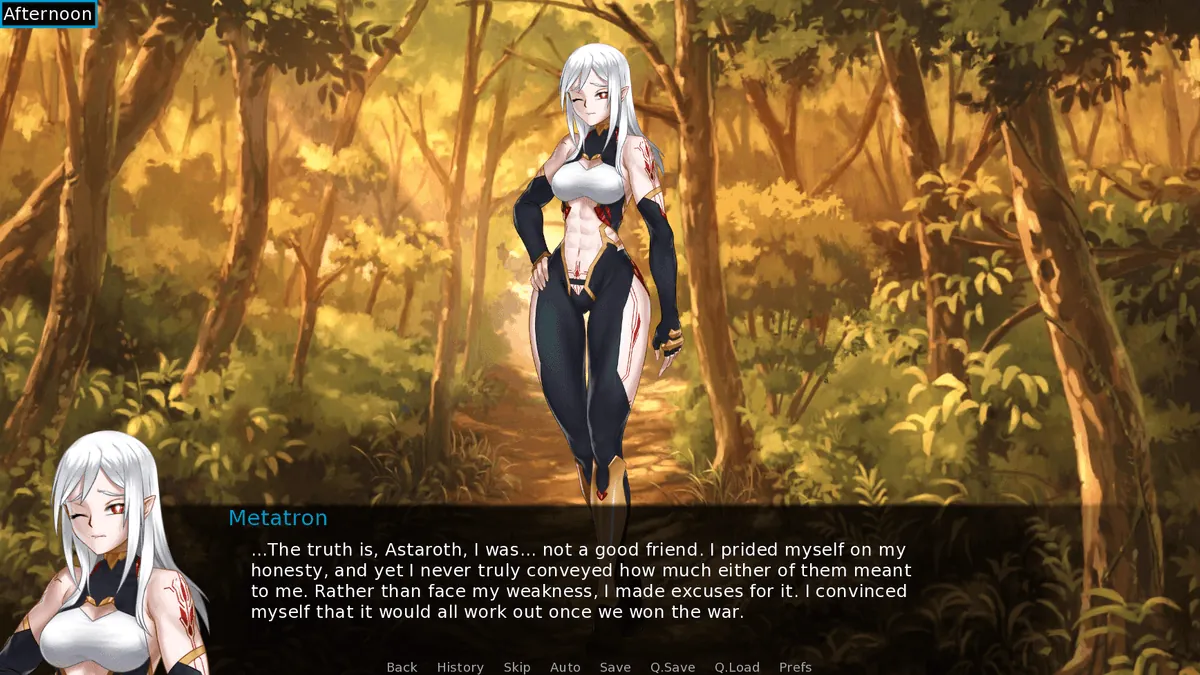
Tainted Heritage – a.k.a Weird Shit Is Going to Happen Screenshots
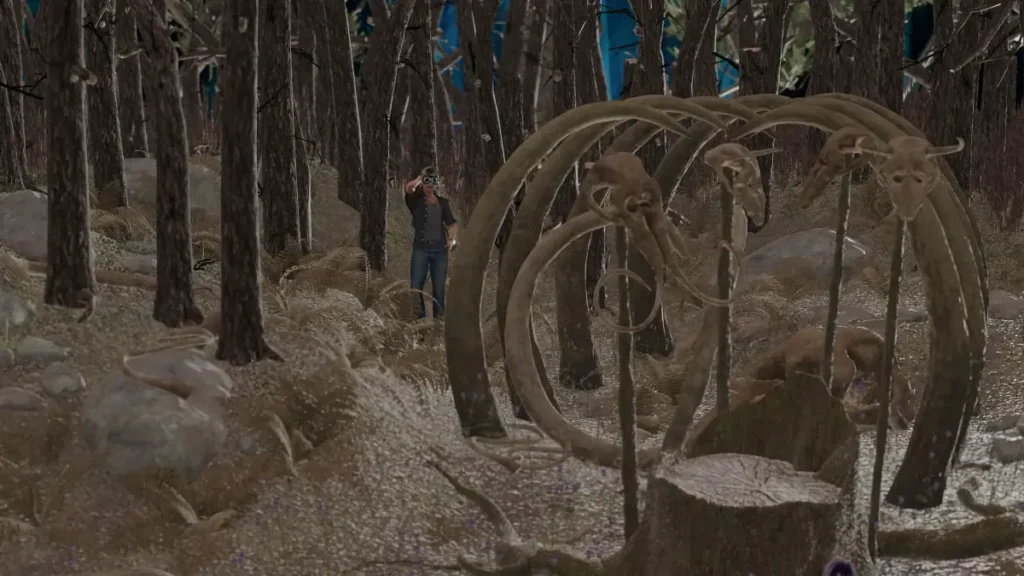
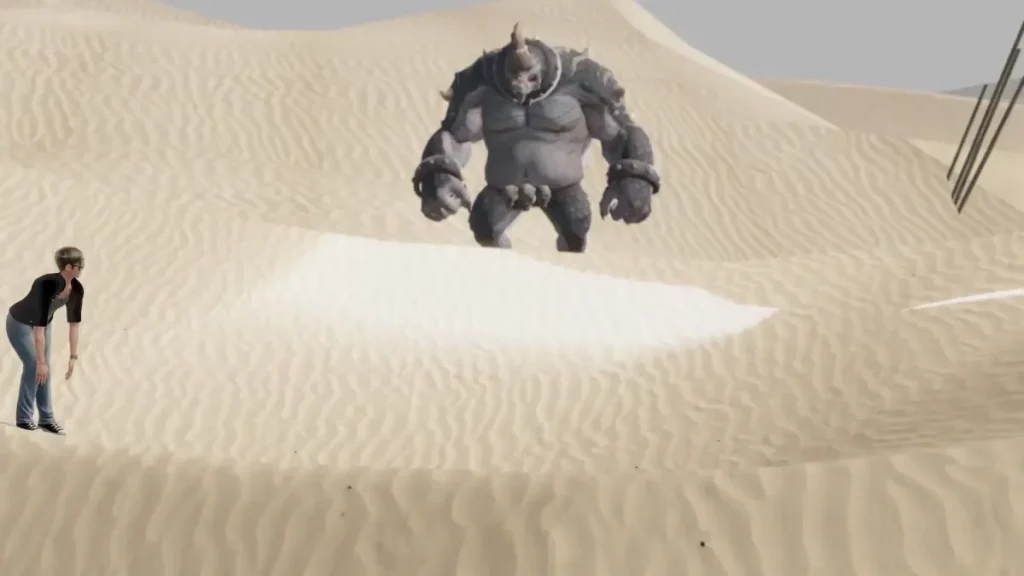
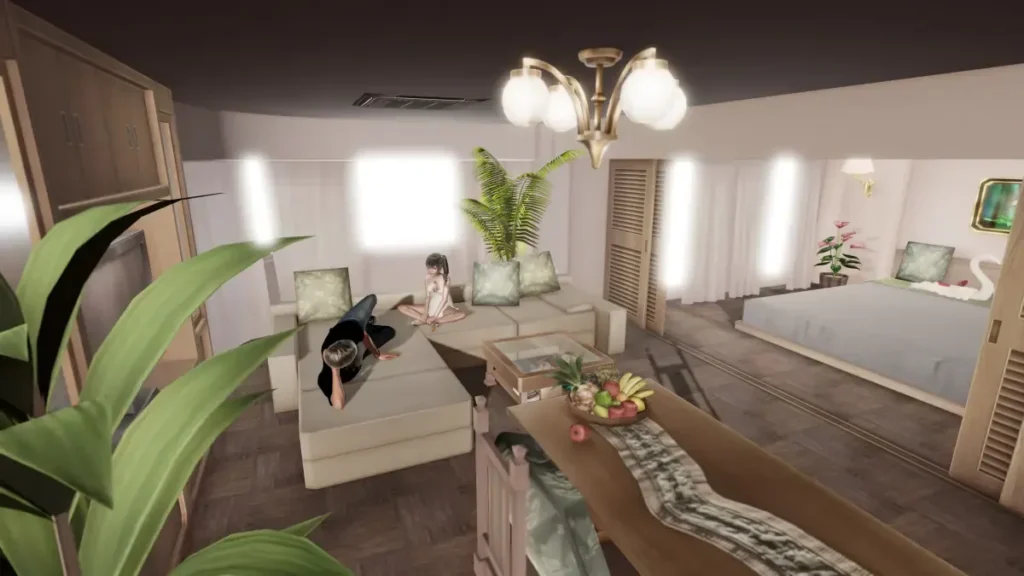
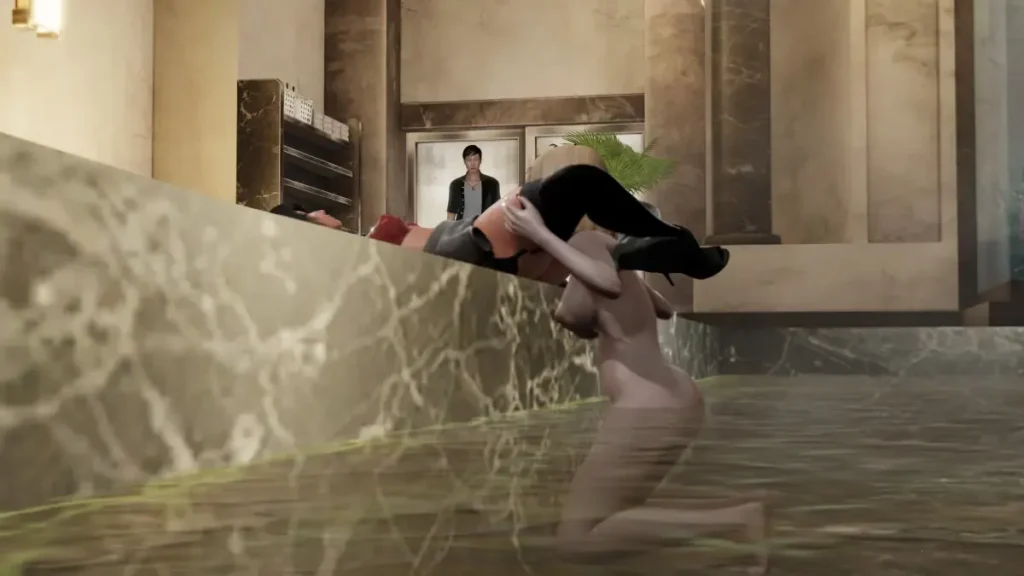
Tainted Heritage – a.k.a Weird Shit Is Going to Happen review
Explore the unconventional storytelling and complex character dynamics in this indie visual novel
Tainted Heritage stands out in the visual novel landscape as an experimental narrative experience that challenges conventional storytelling expectations. This indie title, subtitled ‘Weird Shit Is Going to Happen,’ delivers a unique gaming experience centered around player agency and consequence-driven narratives. Following a protagonist who faces unexpected tragedy and mysterious circumstances, the game creates deeply personal storylines where your decisions fundamentally reshape how events unfold. Whether you’re drawn to unconventional narratives, meaningful character interactions, or indie gaming creativity, understanding Tainted Heritage’s core mechanics and design philosophy helps determine if this title aligns with your gaming preferences.
Understanding Tainted Heritage’s Unconventional Narrative Design
Let’s be honest—most visual novels have a certain rhythm. You make a choice, you see an immediate reaction, and the story chugs along a fairly predictable track. But what if a game remembered everything? Not just the big, dramatic “yes or no” moments, but the offhand comment you made to a side character in Chapter 2? What if that minor slight festered in the background, only to explode in a completely different context five hours later?
Welcome to the world of Tainted Heritage – a.k.a Weird Shit Is Going to Happen. This isn’t your standard dating sim or linear mystery. It’s a deep, often unsettling experiment in unconventional visual novel design, where the narrative structure itself is the puzzle. Your role isn’t just to observe a story; it’s to actively, and often unintentionally, architect one through a web of cascading consequences. Forget about simple “good” or “bad” endings. Here, you’re building a unique version of reality, and the game’s brilliant, twisted consequence timeline visual novel mechanics ensure you feel the weight of every single thread you pull.
This chapter is your guide to understanding that design. We’ll peel back the layers of its choice-based storytelling game philosophy and explore how its environmental storytelling mechanics create a world that breathes, reacts, and judges you. Prepare to have your perception challenged at every turn. ✨
How Player Choices Shape Your Unique Story Path
The most radical thing about Tainted Heritage is its foundational premise: the core events often remain fixed, but their meaning is fluid. Think of it like witnessing a car crash from six different vantage points. Everyone sees the same collision, but one person blames the speeding driver, another spots a malfunctioning traffic light, and a third swears they saw a shadowy figure push someone into the road. Your choices don’t just change what happens next; they change what you believe is happening now.
This creates an incredible sense of player agency indie game enthusiasts crave. You’re not navigating a branching tree with clear forks. You’re navigating a dense, interconnected web. A choice in an early chapter might not alter the next scene’s location, but it fundamentally alters the context, dialogue, and character motivations within that scene. The game excels at this narrative sleight of hand.
🎯 Personal Insight: On my first playthrough, I played Leo as a cynical, closed-off journalist, trusting no one. A key character’s betrayal later felt inevitable, a classic noir trope. On my second run, I had Leo be earnestly helpful and open. That same character’s “betrayal” later played out not as malice, but as a tragic attempt to protect me from a truth they thought I couldn’t handle. The event was identical, but its emotional core was completely inverted. My player agency didn’t change the plot point; it changed the entire genre of the story I was experiencing.
This is where the Tainted Heritage narrative structure shines. The game presents you with a central, eerie premise—weird shit is going to happen—but leaves the “why” and the “how” almost entirely up to your interpretation and actions. Your curiosity, your suspicions, and your relationships act as a lens, focusing the scattered narrative light into one coherent (or deliberately incoherent) beam.
Let’s look at how this can play out. Imagine the core event: “The Old City Archives are set on fire.”
- The Political Conspiracy Path: If you’ve been digging into council corruption, siding with activist characters, and framing everything through a lens of power struggles, the fire is a blatant cover-up. The clues you find point to arson by a shadowy political group. Your story becomes a thriller about uncovering a civic rot.
- The Supernatural Mystery Path: If you’ve been collecting odd folklore, listening to the town’s eccentrics, and noting strange symbols, the fire feels ritualistic. Maybe it was set to destroy a cursed ledger or to appease something. Your story morphs into a creeping cosmic horror tale.
- The Personal Redemption Path: If your focus has been on reconciling with a estranged family member connected to the archives, the fire might be a tragic accident stemming from their negligence or a desperate act. Your story transforms into an intimate drama about forgiveness, guilt, and legacy.
The event is the same. The location is the same. But the branching story paths gameplay ensures the story—the one you are telling yourself—is utterly different. This design makes every playthrough deeply personal. You’re not just unlocking content; you’re proving a theory about the game’s world.
The Consequence Timeline: Long-Term Impact of Your Decisions
If the shifting narrative lens is the what, the Consequence Timeline is the how. This is the brilliant engine under the hood of this choice-based storytelling game. Most games have short-term memory; Tainted Heritage has a perfect, unforgiving, and beautifully complex one.
The game doesn’t just flag major decisions. It logs attitudes, favors, grudges, and knowledge. It’s a living spreadsheet of your social and investigative footprint. That casual promise you made to help a neighbor fix their fence? It’s logged. The time you snubbed a local shopkeeper to chase a lead? Logged. The obscure historical fact you chose to research in a library scene? Logged. These aren’t just for flavor; they are dormant narrative seeds.
Here’s a practical example from my own disastrous third run: Early on, I needed information from a reclusive historian. I could earn his trust patiently, or I could use a leverage option: revealing I knew about his secret, shameful family history (which I’d pieced together from scattered documents in prior chapters). I chose leverage. Got my info, moved on. Fast forward eight chapters later, when I desperately needed an ally in a climax. That historian was there, in a position to help. Instead of offering aid, he publicly denounced me as a blackmailer, destroying my credibility with the entire group at the worst possible moment. The game had remembered my transactional cruelty and paid me back with devastating narrative interest.
This consequence timeline visual novel approach means there are no “safe” choices. There are only choices with consequences you understand now, and consequences you’ll understand much, much later. It forces you to think like a person living in the world, not a player gaming a system.
To visualize how these ripples work, here’s a simplified look at how a single early interaction can diverge:
| Early Game Choice (Chapter 2) | Immediate Result | Long-Term Consequence (Chapter 7+) |
|---|---|---|
| Comfort Ana after a minor setback. | She shares a small personal secret. | When Ana is a key witness, she trusts you implicitly, giving you crucial, unrepeatable information that frames a major event as a personal tragedy. |
| Brush off Ana’s problem to focus on a “bigger” mystery. | She becomes slightly distant. | As a key witness, she is hostile. Her testimony is withheld or twisted, framing the same major event as a deliberate, malicious act and casting suspicion directly on you. |
| Exploit Ana’s vulnerability to extract info for your investigation. | You get a useful clue, but she looks betrayed. | She actively works against you, providing false evidence to authorities that paints you as the instigator of the central crisis. |
This complexity extends beyond the protagonist. The game features a dynamic relationship web. Your actions don’t just affect how Character A feels about you; they affect how Character A feels about Character B, which then independently influences the plot. You might mend a friendship between two allies, making them a powerful united front to support you later. Or, you might accidentally turn them against each other, creating a chaotic split that your enemies can exploit. You are constantly weaving and snipping the threads of a social tapestry you only partially see.
Environmental Storytelling and World Reactivity
In most visual novels, the background art is a stage set—static and unchanging. In Tainted Heritage, the environment is a character, a silent narrator, and a direct reflection of your narrative path. The environmental storytelling mechanics here are subtle, powerful, and deeply rewarding for the observant player.
This isn’t just about unlocking new locations. It’s about the locations you know changing based on the story you’ve created. The game world physically reacts to the psychological and societal shifts your choices trigger.
🔍 A Case Study: The Town Square
On a “hopeful” path, where you’re uniting the community, the square in later chapters might show more people interacting, vibrant market stalls, and repaired fixtures. On a “paranoid” or “divisive” path, that same square becomes bleak: boarded-up windows, distrustful glances between NPCs, propaganda posters you helped enable plastered on walls, and a palpable sense of fear. The environment isn’t telling you a pre-written story; it’s showing you the story you wrote.
These details are the game’s way of communicating without words. You might enter a character’s apartment and notice:
* New, worrying prescription bottles on the nightstand (a consequence of a stressful situation you involved them in).
* A cherished family photo turned face-down (reflecting a rift you either caused or revealed).
* The presence or absence of another character’s personal items (visually confirming a relationship shift you orchestrated).
This unconventional visual novel design makes exploration itself a narrative act. You’re not clicking through backgrounds to get to the next dialogue box; you’re investigating the living result of your own legacy. It reinforces the core theme: your actions stain or cleanse the heritage of this place. The very bricks and mortar bear witness.
To summarize the powerful tools this game uses, here are the key features of its narrative approach:
- The Fluid Core: Fixed events with meanings that transform based on your investigative focus and relationships.
- The Relationship Web: A non-player-centric system where your actions dynamically alter how all characters interact with each other.
- The Consequence Timeline: A long-memory system where every minor action is logged and can resurface with major impact chapters later.
- Environmental Reactivity: The world’s visual design shifts to reflect the psychological and societal state shaped by your decisions, making it a primary storytelling device.
In the end, Tainted Heritage achieves something remarkable: it makes player interpretation the final, most important mechanic. The “truth” of what is happening is a collaborative construct between the game’s clues and your character’s biases. Two players can finish the game, see the same final scene, and walk away with diametrically opposed understandings of what it all meant. One might be convinced it was a story about systemic corruption, while the other is certain they just survived a subtle supernatural invasion.
That’s the genius of its Tainted Heritage narrative structure. It provides the pieces—the characters, the events, the haunting atmosphere—but you assemble the puzzle. And the picture you see will always, inevitably, be a reflection of the choices you made and the person you chose to be in its beautifully tangled world. You’re not just playing a story; you’re arguing with it, shaping it, and ultimately, living with its uniquely tainted—or perhaps, uniquely redeemed—heritage.
Tainted Heritage delivers a distinctive gaming experience that challenges conventional visual novel expectations through its experimental narrative approach and emphasis on player agency. The game’s complex relationship web, consequence-driven timeline, and environmental storytelling create a deeply personal experience where your interpretation of events becomes as important as the events themselves. Whether you’re navigating political conspiracies, unraveling supernatural mysteries, or pursuing personal redemption, your choices fundamentally shape how the story unfolds and how characters interact with one another. The emotional depth, unexpected twists, and immersive gameplay make Tainted Heritage an intriguing opportunity for players seeking something different from mainstream titles. If you’re drawn to unconventional narratives, meaningful character interactions, and indie gaming creativity, this title presents a compelling adventure that celebrates the unexpected and embraces the weird.