Snow Daze: The Music of Winter
Play Snow Daze: The Music of Winter
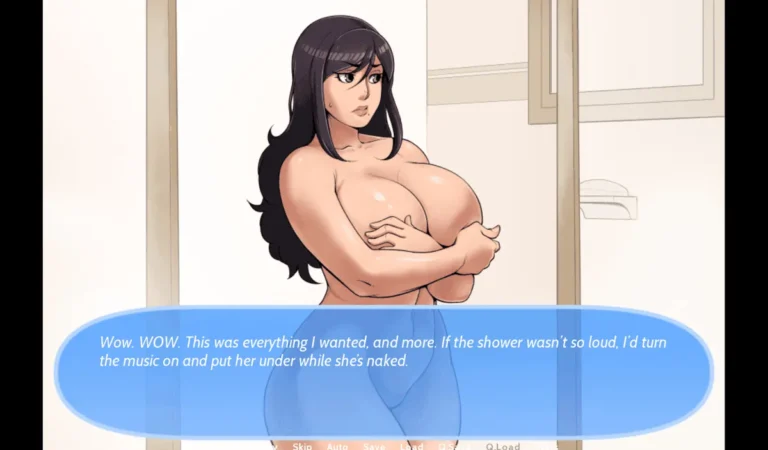
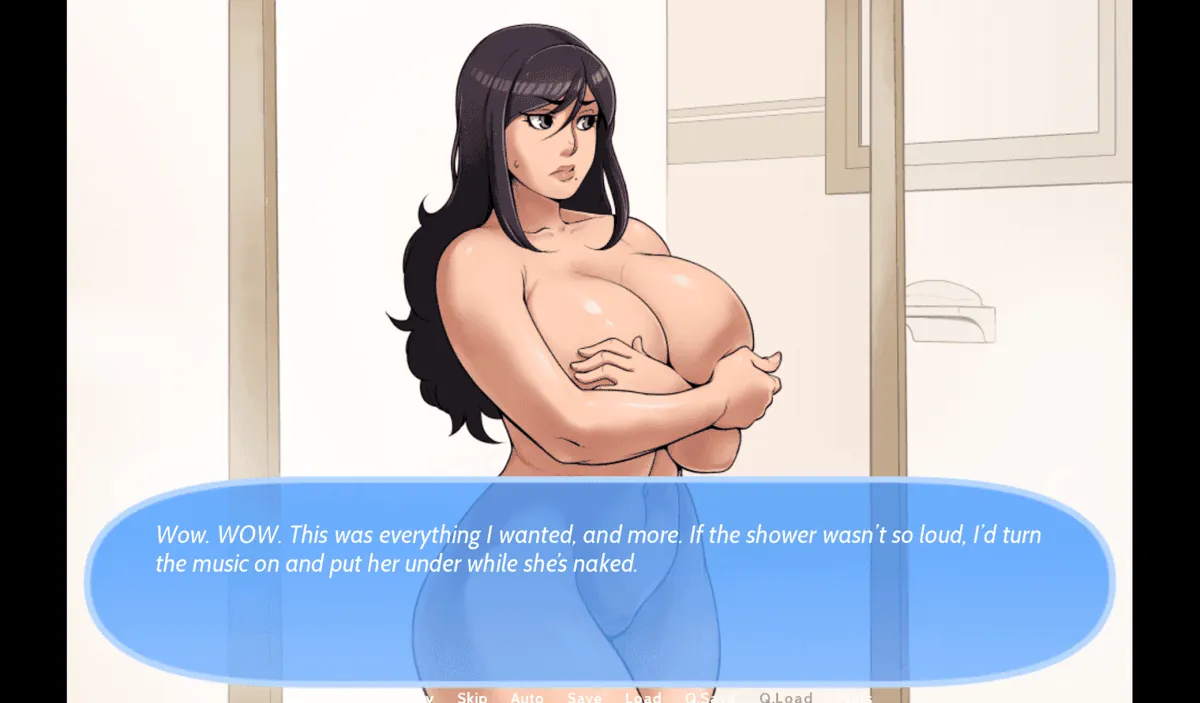
Snow Daze: The Music of Winter Screenshots
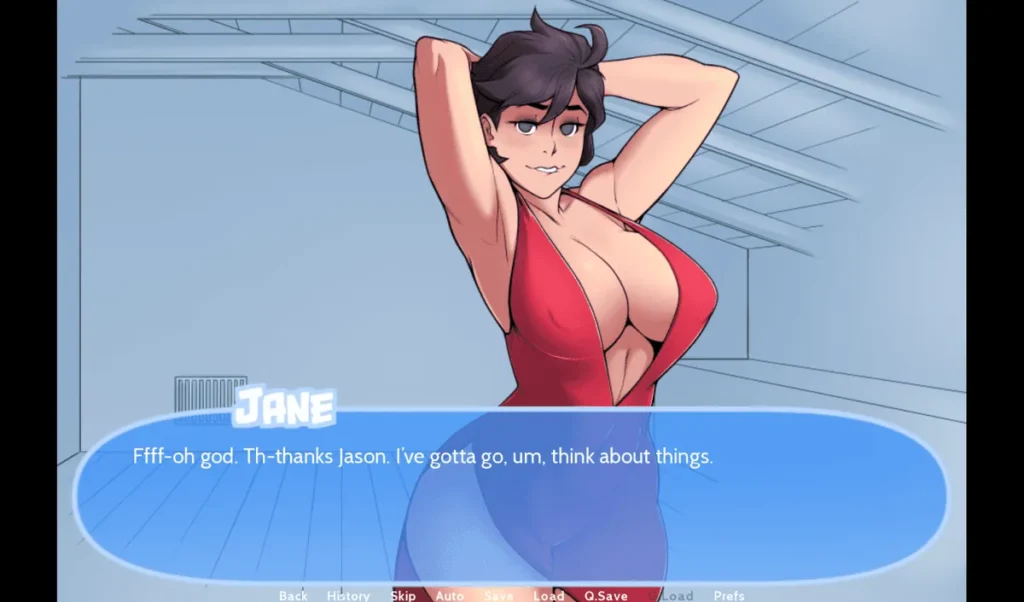
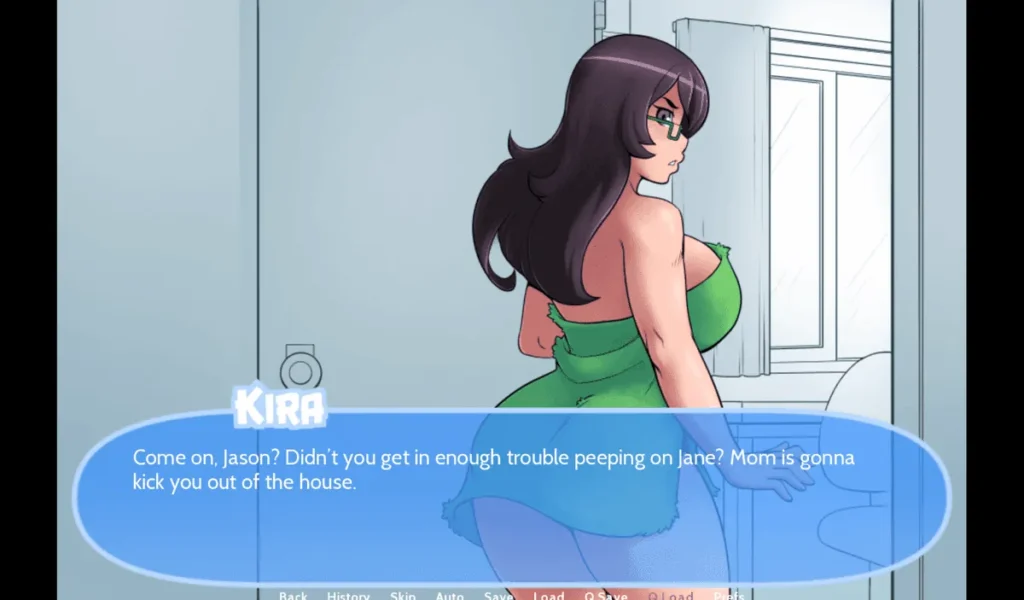
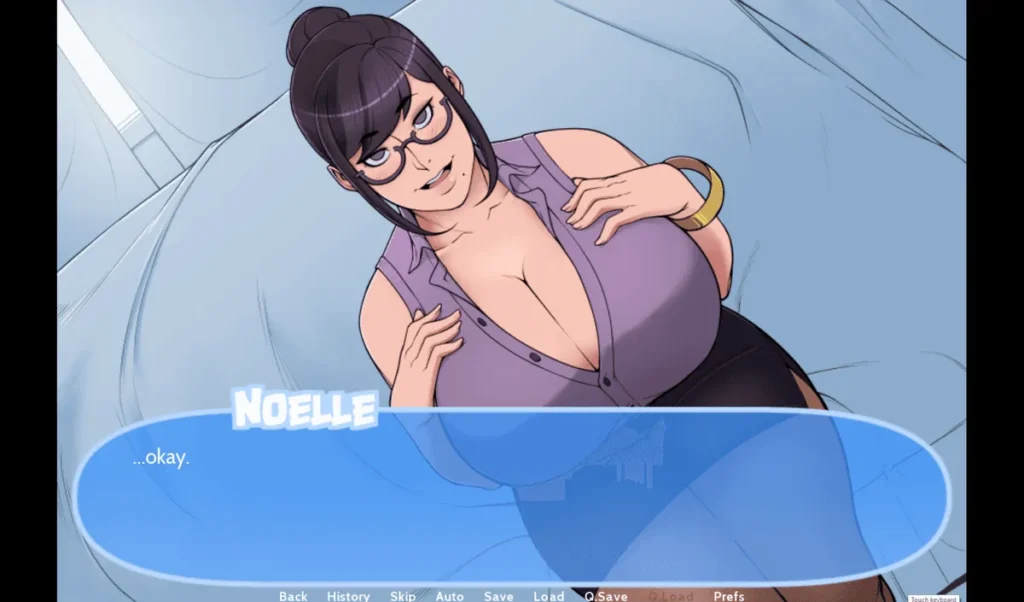
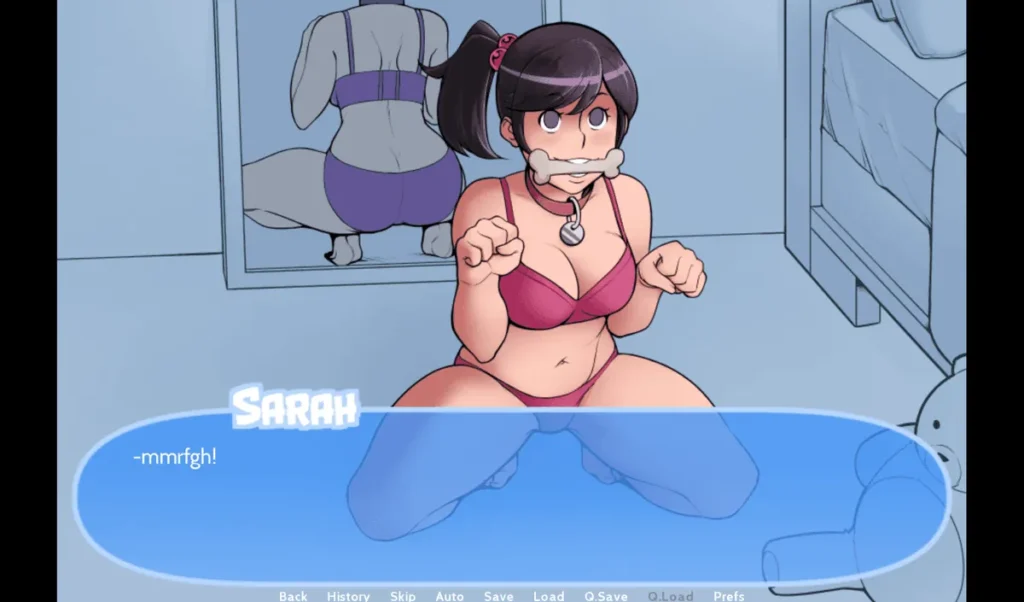
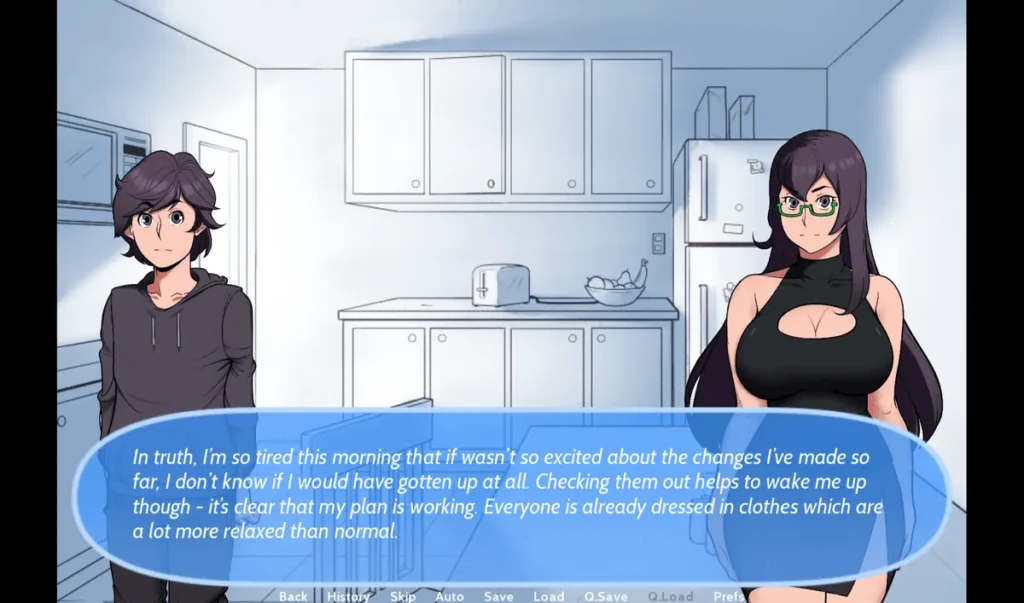
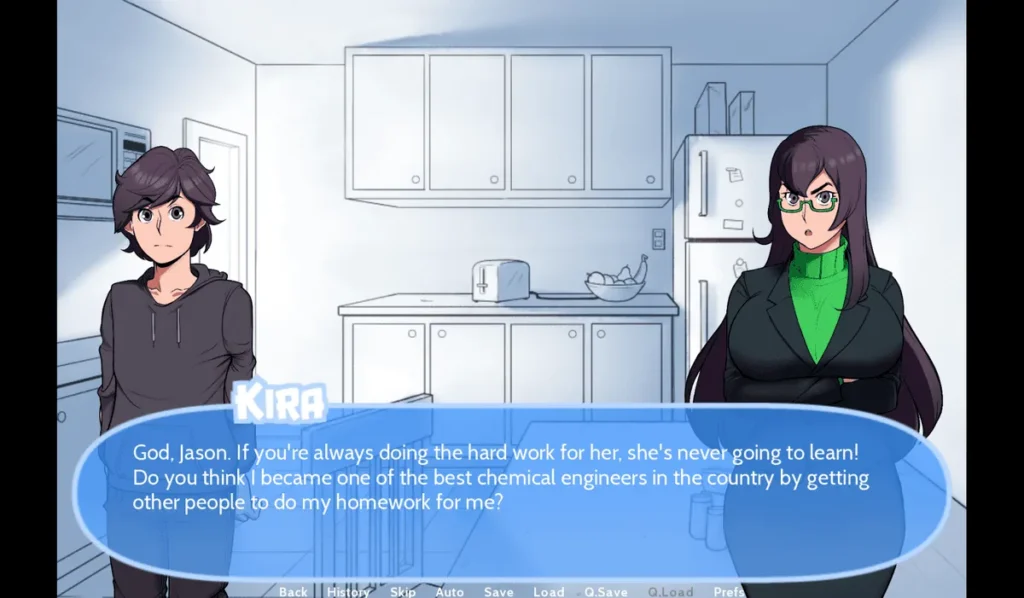
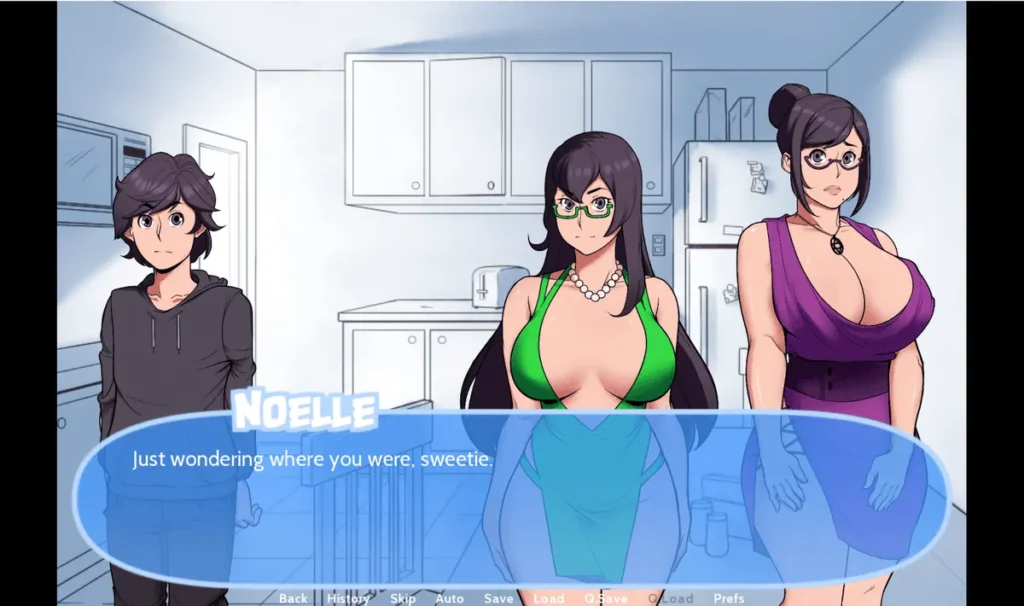
Snow Daze: The Music of Winter review
Explore the story, characters, endings, and gameplay mechanics of this interactive visual novel
Snow Daze: The Music of Winter is an interactive visual novel developed by Kyungeki Workshop and published by Critical Bliss in 2018. This expertly voiced adventure game places players in a unique scenario where a musician named Jason finds himself snowed in with his family for an entire week. The game combines compelling storytelling with multiple branching paths and endings, allowing players to shape the narrative through their choices. With its acclaimed soundtrack, voice acting, and complex character dynamics, Snow Daze has become a notable title in the visual novel genre. Whether you’re interested in understanding the game’s intricate plot, exploring its various endings, or learning about its characters and mechanics, this comprehensive guide covers everything you need to know about this interactive experience.
Understanding Snow Daze: The Music of Winter – Plot, Setting, and Core Gameplay
Ever feel like you’re stuck in a loop, repeating the same day over and over, powerless to change the dynamic around you? 🤔 That’s exactly where we find Jason, the protagonist of Snow Daze: The Music of Winter, a visual novel that masterfully blends psychological tension with compelling interactive story choices. If you’re curious about diving into this unique, snow-bound tale, you’ve come to the right place. This guide will walk you through the chilling premise, the visual novel gameplay mechanics that drive it, and how your decisions shape every single outcome.
Let’s pull up a chair by the virtual fireplace and unpack this fascinating game together. ❄️🔥
What is the premise of Snow Daze: The Music of Winter?
At its heart, Snow Daze: The Music of Winter is a story about reclamation of power, set against a backdrop of familial tension and experimental psychology. You play as Jason, a talented but perpetually overlooked musician and the middle child in a blended family. His stepmother and three stepsisters have a habit of treating him more like a personal servant than a family member, constantly issuing orders and dismissing his passions.
Feeling trapped and resentful, Jason’s brilliant yet unsettling mind cooks up a plan. He’s been tinkering with experimental hypnotism techniques in his attic room, developing subliminal audio files. His tool of choice? A modified music player he calls the “delimiter.” This device isn’t just for tunes; it’s engineered to embed hypnotic suggestions within calming music.
The catalyst for everything is the weather. A massive, unforeseen snowstorm rolls in, completely isolating the family’s remote home. With no way in or out for what’s forecast to be five full days, Jason sees his window of opportunity. The Snow Daze plot summary revolves around him using this trapped, captive audience to test his theories, aiming to subtly reprogram his family’s attitudes toward him through repeated, subliminal sessions.
Think of it as a high-stakes psychological experiment where you, the player, are the lead scientist. 🧠🎵
This setup creates a morally complex and incredibly engaging foundation. You’re not just observing Jason’s story; you’re actively participating in his scheme, making the interactive story choices that determine its success, failure, and profound consequences. It’s a visual novel gameplay mechanics dream, placing immense narrative weight on your decisions.
How does the snowed-in setting drive the narrative?
The setting in Snow Daze: The Music of Winter isn’t just a backdrop; it’s a silent, pivotal character. The relentless snowstorm performs several crucial narrative functions that elevate the game from a simple story to a tense, claustrophobic experience.
First, it creates inescapable proximity. There are no errands to run, no friends to visit, no work to escape to. The family is forced into constant, close-quarters interaction. This amplifies every slight, every successful hypnotic session, and every moment of tension. The walls feel like they’re closing in, which perfectly mirrors Jason’s own feeling of being trapped in his life.
Second, it establishes a suspension of normal time and rules. The outside world ceases to exist. This isolated bubble is the perfect petri dish for Jason’s experiment. There are no external influences or interruptions to break the conditioning cycle. The storm provides the perfect excuse for the odd behavior that might result from his sessions—everyone is just getting a little “cabin fever,” right? 😉
Finally, it adds a ticking clock. The forecast promises five days of isolation. This creates a natural, tense structure for the game’s chapters. You have a limited window to achieve your goals, pushing you to make decisive choices. Will you focus on one sister? Try to influence everyone evenly? The pressure of the melting clock (both literally and figuratively) is a constant driver of the Snow Daze game mechanics.
This masterful use of setting ensures that every choice feels urgent and consequential, directly feeding into the game’s network of visual novel branching paths.
What are the core gameplay mechanics and player choices?
Alright, let’s get into the nuts and bolts! The core of Snow Daze: The Music of Winter is built on a deceptively simple but deeply effective character point system. This isn’t a game about quick-time events or complex puzzles; it’s about relationship management and strategic suggestion.
Every significant dialogue option and action you choose as Jason awards you points with one (or sometimes more) of the four female characters: stepmother Pauline, and stepsisters Monica, Hazel, and Harmony. These points are invisible to you during gameplay—no meters or bars on screen—which makes your choices feel more organic and less like a clinical numbers game.
Your accumulated points with each character directly determine which visual novel branching paths become available to you as the story progresses. Reach a certain threshold with Monica, and new, more intimate dialogue options will unlock. Neglect Hazel, and her story thread might close off entirely. The entire narrative is a fragile web held together by these invisible scores.
The primary vehicle for earning these points is the delimiter sessions. Each day, you’ll have opportunities to invite family members to your attic for a “relaxing music session.” Here, you’ll select from a menu of hypnotic suggestions. Do you want to make Monica more obedient? Instill in Hazel a sense of devotion? Your selections here are the most direct way to influence the character point system.
But it’s not just about the hypnosis! Your choices in everyday conversation are equally important. Do you agree with Pauline’s harsh critique, or do you stand up for yourself? Do you help Harmony with her hobby, or dismiss it? These interactive story choices also feed points into the system, creating a rich tapestry of influence that goes beyond the attic.
| Character | Role & Personality | How Points Are Earned |
|---|---|---|
| Pauline (Stepmother) | The stern, authoritative matriarch. She runs the household with strict, often cold, efficiency. | Points are gained by showing submission to her authority, agreeing with her plans, or through hypnotic suggestions targeting respect and obedience. |
| Monica (Eldest Stepsister) | Confident, athletic, and somewhat domineering. She’s used to being in charge and views Jason as inferior. | Points come from choices that appeal to her competitive nature, acknowledge her strength, or through hypnosis that fosters admiration and attraction. |
| Hazel (Middle Stepsister) | Intellectual, shy, and spends most of her time reading. She’s more observant than the others, which can be a risk. | Engaging with her on intellectual topics, showing interest in her world, and using hypnosis to build a deep, personal connection are key. |
| Harmony (Youngest Stepsister) | Creative, energetic, and a bit of a daydreamer. She’s the most naturally kind but easily influenced. | Supporting her creative endeavors, being playful, and using suggestions that promote loyalty and affection yield points with Harmony. |
This system leads to the game’s celebrated multiple endings. There are individual endings for each character, where Jason’s focus yields a specific, singular relationship. Then, there’s the famed “harem” ending, which is considered by many to be the canonical conclusion. Achieving this requires meticulously balancing points across all characters, a true test of your skill with the Snow Daze game mechanics. It’s a challenging but deeply satisfying culmination of your strategic choices.
A brilliant and often overlooked visual novel gameplay mechanics touch is the “realistic outcome” element. As Jason successfully expands his activities, the game doesn’t let you off the hook—he becomes visibly exhausted. This physical drain can become a plot point itself, affecting your options and reminding you that every action, even a successful one, has a cost.
The original game received a significant upgrade with a Special Edition on Steam. This version elevated the experience with enhanced animations, sharper graphics, and general polish, making the story and its consequences feel even more immersive. A standout feature is the full voice acting, which breathes incredible life into each character, making your interactive story choices feel all the more real and consequential.
- Key Features of Snow Daze: The Music of Winter
- Full Voice Acting: 🎙️ Every line is professionally voiced, adding immense depth to the characters and your interactions with them.
- Original Soundtrack & Delimiter Music: 🎵 The music is a character itself, with the delimiter’s hypnotic tracks being key to the plot and the game’s atmospheric soundscape.
- Multiple Endings & Branching Paths: 🛤️ Your journey is uniquely yours, with dozens of potential outcomes based on your point allocations.
- Strategic Character Point System: ⚖️ The invisible relationship score is the engine driving all narrative possibilities.
- Interactive Choice-Driven Narrative: 🎮 This isn’t a passive story; you are Jason, and your decisions from small talk to major suggestions write the script.
Mastering Snow Daze: The Music of Winter is about understanding that every word matters. Your journey through those five snow-bound days is a delicate dance of psychology, strategy, and narrative exploration. Will you craft a specific connection, or aim for the ultimate, complex finale? The visual novel branching paths are all there, waiting in the silence of the snow, for you to choose.
Snow Daze: The Music of Winter stands as a notable entry in the visual novel genre, combining compelling interactive storytelling with high-quality production elements. The game’s intricate point-based system creates meaningful player agency, allowing multiple branching narratives and endings that reward exploration and different playstyles. With its exceptional soundtrack, professional voice acting, and complex character dynamics, the game delivers a memorable experience that engages players through both narrative depth and technical excellence. Whether you’re drawn to the game’s story complexity, its character development, or its innovative use of music as a narrative device, Snow Daze offers substantial content to explore. The multiple endings and branching paths ensure that different playthroughs yield unique experiences, making it a game worth revisiting to uncover all its narrative possibilities. For those interested in interactive storytelling and visual novels, Snow Daze: The Music of Winter provides a comprehensive example of how player choice can meaningfully impact narrative outcomes.