Single Again
Play Single Again
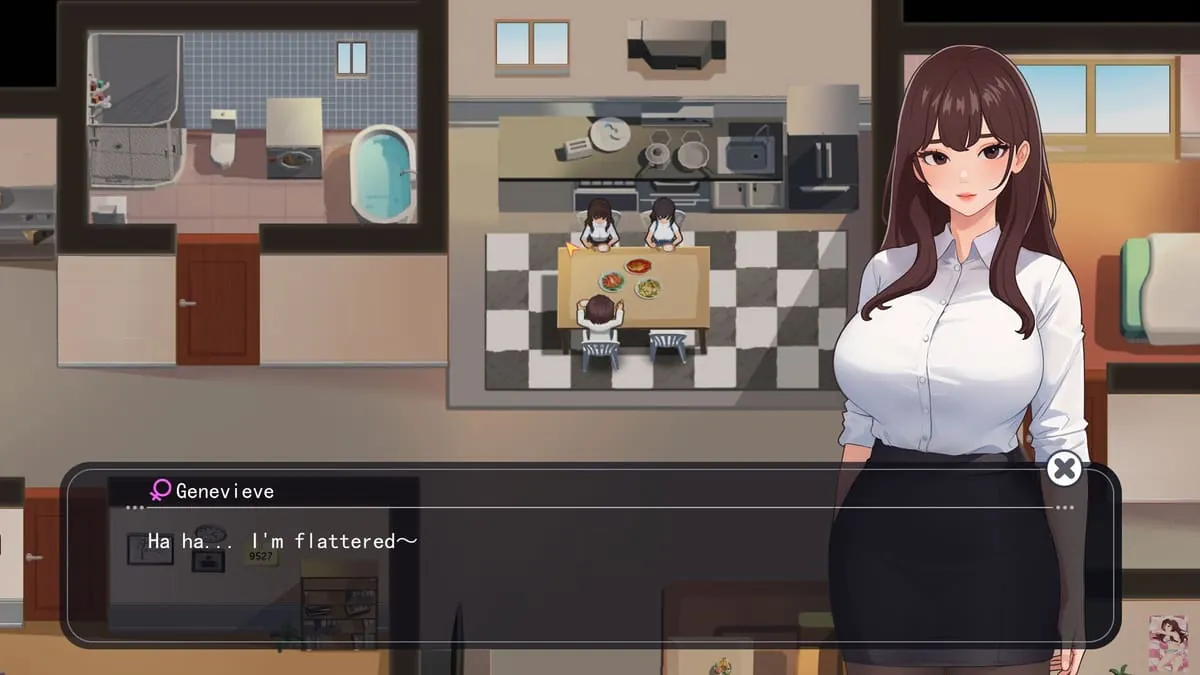
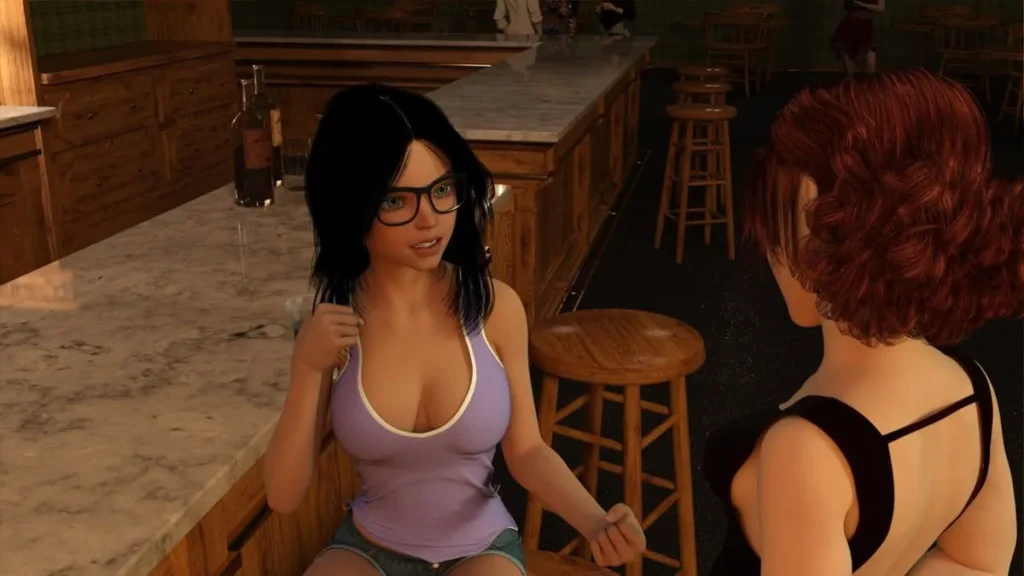
Single Again Screenshots







Single Again review
An in-depth, player-focused blueprint for navigating Single Again
Single Again is an interactive adult role-playing game that centers on branching choices, character relationships, and multiple endings; this article guides new and returning players through the experience with practical tips and personal insights. In this guide to Single Again I’ll walk you through key mechanics, decision points, character routes, and troubleshooting steps while sharing short anecdotes from playtesting to help you avoid common pitfalls and get the outcomes you want. Whether you’re exploring every scene or aiming for a specific route, this post gives step-by-step practical advice and example choices to streamline your playthrough.
Core Gameplay and Mechanics of Single Again
Alright, let’s get straight to the heart of it. Welcome to the Single Again player’s toolbox. 🛠️ If you’ve just jumped in, you might be thinking this is just another visual novel. I’m here to tell you it’s so much more. The real magic, the game, lies in understanding the intricate systems under the hood. This chapter is your blueprint to mastering the Single Again mechanics that transform a simple story into your story.
Think of every dialogue option, every gift, every little decision as a brushstroke on a massive canvas. Your final picture—whether it’s a cozy future with a specific character or a journey of self-discovery—is painted entirely by you. Let’s break down exactly how that works.
How choices shape the story
The branching story Single Again offers isn’t just about picking “Nice” or “Funny” responses. It’s a living, reactive world where small decisions ripple outward in huge ways. The core Single Again mechanics here are deceptively simple: every major choice influences two things.
First, and most visibly, it affects your Affinity with the main characters. These aren’t just numbers; they’re the emotional bedrock of your playthrough. The core cast you’ll be navigating relationships with includes:
* Rebecca: The ambitious, driven ex who might still have a spark.
* Leo: The reliable, warm-hearted friend who’s always been there.
* Beth: The free-spirited, adventurous newcomer who challenges your outlook.
* Marcus: The successful, charismatic wildcard with a complex past.
Choosing to support Rebecca’s career move might boost her affinity but subtly lower Leo’s, who values stability. Agreeing to a spontaneous road trip with Beth could unlock a unique scene (unlock scenes Single Again are often tied to these moments) but might make you seem unreliable to Rebecca. The game rarely holds your hand; it trusts you to live with the consequences, making each Single Again choice feel weighty and real.
Second, choices build invisible Story Threads. Think of these as narrative pathways that are quietly activated. Early on, you might have a chance to mention you love jazz music. This seems trivial. But 5 hours later, Beth might invite you to a secret jazz club—a scene only available if that thread was picked up. This is the genius of the branching story Single Again creates; it remembers everything.
Here’s a personal anecdote that blew my mind: I was on a path with Leo, and during a casual park scene, I chose to help a lost dog find its owner instead of staying for ice cream. I thought nothing of it. Later, I replayed and took the ice cream. On the Leo path, it was sweet. But out of curiosity, I reloaded that one dog-saving decision and later ran into Beth, who also happened to be at the vet with the same dog! It unlocked a whole heartfelt conversation about compassion that steered our relationship in a completely new direction. One Single Again choice, two vastly different narrative branches. 🤯
Stats, inventory and unlockables
While the relationships are front and center, a few key systems help you track your journey. You won’t find a complex RPG stat sheet, but a few clear indicators are vital for planning your route.
Visible Player Stats:
* Confidence: Affects your ability to make bold decisions or be assertive in conversations. High Confidence might unlock a option to ask someone out directly.
* Empathy: Influences deeper, more supportive dialogue options and your understanding of characters’ hidden feelings.
* Independence: Reflects your focus on self-improvement. High Independence can lead to satisfying solo endings.
You can check these in your character profile menu. They change slowly based on your cumulative Single Again choices, and key scenes often have requirements like “Confidence > 70” to access the best outcome.
The Inventory is your strategic toolkit. You don’t collect junk; every item has a purpose:
* Gifts: Books, concert tickets, specific drinks. Giving the right gift to the right character at the right time (like a rare vinyl for Beth after she mentions her collection) is a massive affinity boost.
* Mementos: These are automatically unlocked after key story beats. They’re not usable, but they’re your visual progress log towards different endings. A ticket stub from a first date, a shared photo—seeing your mementos fill up is incredibly rewarding.
Unlocking scenes and endings is the ultimate goal. The game signals progress brilliantly:
* Scene Gallery: Blurred thumbnails show you what’s out there. Hovering over them often shows vague hints like “Requires: High affinity with Leo & Choice at City Lights Cafe.”
* Character Journals: As affinity grows, you unlock pages in each character’s journal, giving you insight into their thoughts. A fully completed journal often means you’re on the path to their ending.
* The “Vibe” of Conversations: Pay attention. If dialogue options start becoming more intimate and open, and the music shifts to a character’s unique theme, you’re on the right track. If conversations feel short and repetitive, you might need to revisit some Single Again choices to improve that relationship.
Pacing: saving, reloading and play sessions
This is where strategy turns into artistry. A good save strategy Single Again is the difference between a smooth, exploratory journey and a frustrating mess. The game has an auto-save, but relying on it is like using a single key for every lock in your life—sooner or later, you’ll get stuck. 🗝️
Manual Saves Are Your Best Friend. I learned this the hard way. On my first playthrough, I was lazy and saved over the same slot. I reached a major argument with Rebecca that ended our relationship path. I wanted to go back and fix it, but my only save was from hours before, before I’d even started building wonderful moments with Beth. I had to choose between losing massive progress or living with a choice I hated. It was a brutal lesson.
Create a Save Cathedral, Not a Save Closet. Use multiple slots liberally. My recommended save strategy Single Again involves creating a rolling archive:
| Save Slot Name Example | When to Save | Why It’s Useful |
|---|---|---|
| CH1_Start | Beginning of each major chapter. | Your ultimate “reset point” for that story arc. |
| PreDate_Rebecca | Right before any clearly defined date or major event. | Lets you experience the entire event differently without replaying the whole lead-up. |
| Crossroads_HelpDog | The moment you spot a seemingly minor but juicy choice. | For testing those ripple-effect decisions I mentioned earlier! |
| PostConfession_Beth | After a huge, emotional story beat. | Preserves the outcome in case you want to build from that moment forward later. |
| Exploring_LeoPath | When you deliberately want to branch off and test a theory. | Keeps your experimental play separate from your “main” run. |
Fighting Choice Fatigue. Single Again is emotionally immersive. Binging for 8 hours can lead to bad, impulsive decisions because you’re mentally drained. My advice? Treat it like a good TV series. 🍿
- Recommended Session: 1-2 chapters at a time. This lets you sit with the consequences of your Single Again choices and think about what you really want.
- The “Sleep On It” Rule: If you hit a massive, game-altering decision point (e.g., “Choose who to pursue”), save, and walk away. Coming back with fresh eyes will give you clarity.
- Embrace the First Blind Playthrough: For your initial run, try to live with your decisions. Don’t save-scum every tiny choice. The surprise and authenticity of an unspoiled, imperfect journey is magical. You can always optimize later.
Quick-Fire Tips for New Players:
* Take Notes! 📓 Jot down when a character mentions they like something (e.g., “Leo: dislikes crowds, loves stargazing”). This info is gold for future gift choices.
* Name Your Saves Descriptively. “Before Office Party” is infinitely more useful than “Save 12.”
* Listen to the Music. The soundtrack subtly shifts to match relationship tones. A tense, sparse track means you’re on thin ice.
* Check the Text Log. If you’re unsure why someone reacted badly, re-read the last few lines of dialogue. The nuance is often in the wording.
* Your Stats are a Mirror. If you’re not getting the dialogue options you want, check your Confidence, Empathy, or Independence. They shape what you can say.
Ultimately, the Single Again mechanics are there to serve your story. Don’t be afraid to use them, experiment with them, and even break them with strategic reloads. The beauty of this branching story Single Again provides is that every reload isn’t a mistake—it’s you opening another door in a mansion of possibilities. Now go paint your masterpiece. 🎨
Single Again rewards curiosity and careful choices: understanding core mechanics, mapping character routes, and using smart save strategies lets you explore multiple outcomes without frustration. Use the walkthrough examples and save recommendations to test branches efficiently, try mods carefully with backups, and participate in communities with clear content warnings. If you found specific tips here helpful, try the suggested save names and the example decision sequences in your next session — and consider sharing your own run notes to help other players discover routes you enjoyed.