Peasant’s Quest
Play Peasant’s Quest
Peasant’s Quest Screenshots







Peasant’s Quest review
Explore the medieval fantasy RPG with immersive gameplay and dynamic storytelling
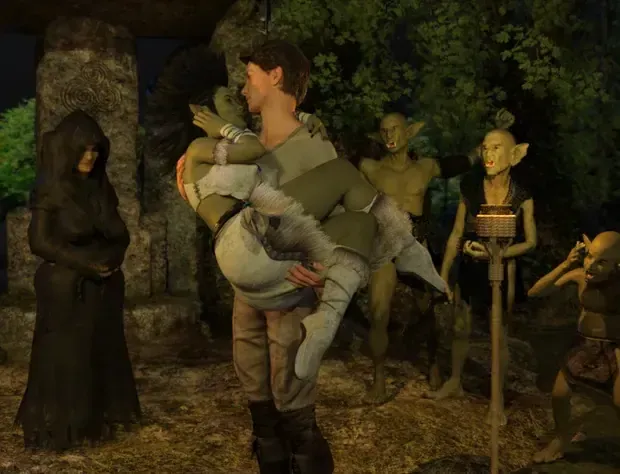
Peasant’s Quest stands as a distinctive medieval fantasy RPG that combines engaging gameplay mechanics with an immersive narrative experience. Developed using RPG Maker technology, this game invites players into a richly detailed world where they assume the role of a young farm boy seeking adventure and fortune. The game has evolved significantly since its initial release in 2017, with continuous updates introducing new quests, characters, and gameplay elements. Whether you’re a seasoned RPG enthusiast or new to the genre, understanding what makes Peasant’s Quest unique can enhance your gaming experience and help you navigate its expansive medieval world effectively.
Understanding Peasant’s Quest: Game Overview and Core Mechanics
Ever stumbled upon a game that just clicks? One where you start playing and suddenly realize hours have vanished into a beautifully pixelated world? For me, that game was Peasant’s Quest. I remember firing it up on a lazy Sunday, expecting a simple time-waster, and instead getting completely absorbed by its charming world and deep systems. If you’re craving a classic role-playing adventure that respects your intelligence and rewards your time, you’ve come to the right place. Let’s pull back the curtain on this gem.
What Is Peasant’s Quest and Its Development History
So, what exactly is Peasant’s Quest RPG game? At its heart, it’s a love letter to classic role-playing, built with a clear vision: to deliver an immersive medieval fantasy RPG experience that focuses on player choice, exploration, and genuine progression. You aren’t a pre-ordained hero of legend here. You start as, well, a peasant, and your path is yours to carve through effort and adventure.
The journey of Peasant’s Quest began back in February 2017. It launched as a passion project, a testament to what a dedicated developer can create with the right tools and vision. The foundation for this world is the versatile RPG Maker game engine. Now, you might have preconceptions about games made with this tool, but Peasant’s Quest shatters them. The developer hasn’t just used the engine; they’ve mastered it, stretching its capabilities to create a surprisingly vast open-world exploration game that feels cohesive and alive.
What’s truly remarkable is the game’s sustained evolution. As of February 2026, the game is thriving at version 3.95. Think about that—nearly a decade of consistent, meaningful updates. This isn’t a “fire-and-forget” release. The developer’s commitment to quest-based gameplay is shown in the regular infusion of new stories, areas, and challenges. I’ve personally revisited saves after major updates and found whole new regions to explore and mysteries to solve, which keeps the experience perpetually fresh. This ongoing development cycle means the Peasant’s Quest RPG game you play today is a richer, more polished experience than ever before.
The game’s accessibility is another huge win. You can dive into this medieval world on Android devices, perfect for on-the-go adventuring, or directly in your web browser for instant play. This cross-platform availability means your quest is never far away.
Core Gameplay Mechanics and RPG Features
This is where Peasant’s Quest truly shines. It understands the core appeal of a great RPG and executes it with style. Let’s break down the pillars that hold up this fantastic world.
First and foremost is the turn-based combat system. 🛡️⚔️ This isn’t a mindless button-mashing affair. Every encounter is a tactical puzzle. You’ll need to manage your Action Points (AP), choose between powerful skills or cautious defends, and target enemy weaknesses. Positioning and turn order matter. I learned this the hard way early on, charging into a group of bandits only to be overwhelmed. The game rewards thoughtful strategy, making each victory feel earned. This deliberate pace is a hallmark of satisfying medieval fantasy RPG mechanics, letting you appreciate the weight of every decision.
Wrapping around the combat is the brilliant quest-based gameplay. The world doesn’t unfold through a single, rigid storyline. Instead, it blossoms through dozens of interconnected quests. You might start by helping a farmer find his lost sheep, only for that to lead you to a hidden cave system, which uncovers a conspiracy that reaches the local lord. The quest log is your best friend, guiding you without holding your hand. New quests are the lifeblood of the game’s updates, constantly adding layers to the world and reasons to revisit familiar areas with a new purpose.
And what a world it is! The open-world exploration game design philosophy is central here. From the moment you step out of your starting village, the map is yours to uncover. There are no artificial gates blocking your path—only your own character’s strength and your courage. I vividly remember ignoring a main quest suggestion and stumbling into a forest far above my level. The tense, stealthy escape from creatures I couldn’t hope to fight was an unforgettable, player-driven story. This sense of freedom is incredible. You can be a diligent hero, a roaming treasure hunter, or a curious explorer, and the game supports your style.
These systems—thoughtful combat, quest-driven narrative, and free exploration—blend seamlessly. The RPG Maker game engine works quietly in the background, enabling this smooth integration of story and interactive gameplay. It proves that with skill, this engine can support a deep, reactive world that feels anything but generic.
| Category | Specification |
|---|---|
| Core Engine | RPG Maker |
| Initial Release | February 2017 |
| Current Version (as of Feb 2026) | v3.95 |
| Available Platforms | Android, Web Browser |
| Key Gameplay Features | Turn-Based Combat, Open-World Exploration, Quest-Driven Narrative, Deep Character Progression |
Character Progression and Skill Development System
If the world and quests are the canvas, your character is the brush. The character progression RPG systems in Peasant’s Quest are deep, customizable, and deeply rewarding. This isn’t about automatically gaining power; it’s about building a hero that reflects your playstyle.
When you begin, your options are simple. But with every level gained and every quest completed, your potential expands. You earn skill points that you invest into a diverse array of abilities. Want to be a hulking warrior who crushes foes with a two-handed sword? Invest in Strength and the “Cleave” skill. Prefer a cunning rogue who strikes from the shadows? Agility and “Backstab” are your friends. Maybe you’re drawn to the arcane arts—Intelligence and “Fireball” await. The beauty is in the mixing. On my last playthrough, I created a “Spellblade,” focusing on sword skills but dipping into magic for defensive buffs. It was uniquely effective and felt like my creation.
This skill development is the core of the medieval fantasy RPG mechanics. Your choices directly impact how you approach every challenge. A locked chest can be picked by a rogue, bashed open by a warrior (with a risk of breaking contents), or perhaps unlocked with a spell if you’ve learned it. The world reacts to who you’ve chosen to be.
Pro Tip: Don’t spread your skill points too thin early on! Focus on a core combat style first to survive the tougher wilderness areas. You can branch out into utility skills once your foundation is solid.
The progression feeds beautifully into the quest-based gameplay and open-world exploration game loops. You’ll take on quests not just for the story, but for the unique rewards—a powerful piece of gear that complements your build, or a rare recipe for potions. Exploring a dangerous new swamp might reward you with a relic that boosts your preferred elemental magic. Every activity feels connected to making your character stronger and more specialized.
Let’s look at the key components of this system in a simple list:
* Stat Growth: 🧠 Strength, Agility, Intelligence, and more increase through leveling and guide your combat effectiveness.
* Active & Passive Skills: 🔮 Unlock and upgrade powerful abilities, from combat techniques to crafting proficiencies.
* Equipment Mastery: ⚔️ The gear you find and craft isn’t just stat sticks; unique weapons and armor can define your build.
* Crafting & Gathering: ⛏️🎣 A robust system lets you create potions, meals, and equipment, supporting self-sufficient exploration.
Ultimately, the character progression RPG design in Peasant’s Quest ensures that your journey from zero to hero is a personal and satisfying saga. You watch a feeble peasant transform into a renowned adventurer through your own decisions, and that’s the true magic of this Peasant’s Quest RPG game. It’s a world that waits for you to leave your mark, one skill point and one quest at a time.
Peasant’s Quest represents a compelling medieval fantasy RPG experience that combines engaging gameplay mechanics with continuous development and community engagement. From its foundation on RPG Maker technology to its regular content updates and multi-platform availability, the game offers players a dynamic and evolving adventure. Whether you’re interested in the narrative-driven quest structure, character progression systems, or the immersive medieval world, Peasant’s Quest delivers a comprehensive gaming experience. The game’s commitment to regular updates, active community support, and accessible gameplay across Android and web platforms makes it an accessible choice for RPG enthusiasts. As the game continues to evolve with new quests, characters, and features, players can expect an ever-expanding world to explore. Start your adventure today by downloading the game on your preferred platform and discovering what makes Peasant’s Quest a distinctive entry in the RPG gaming landscape.