
How to Fix the Future
Play How to Fix the Future
How to Fix the Future Screenshots

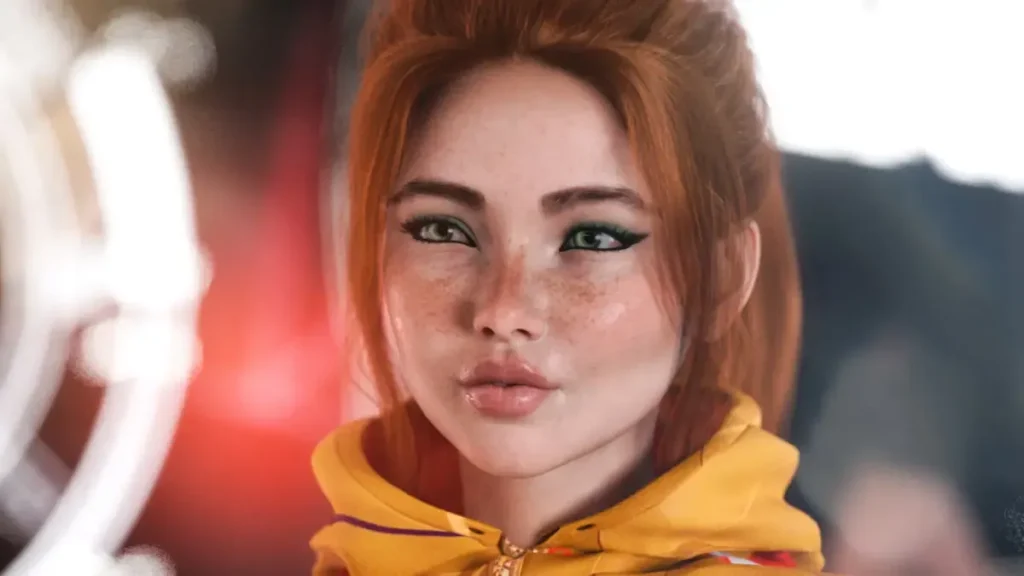
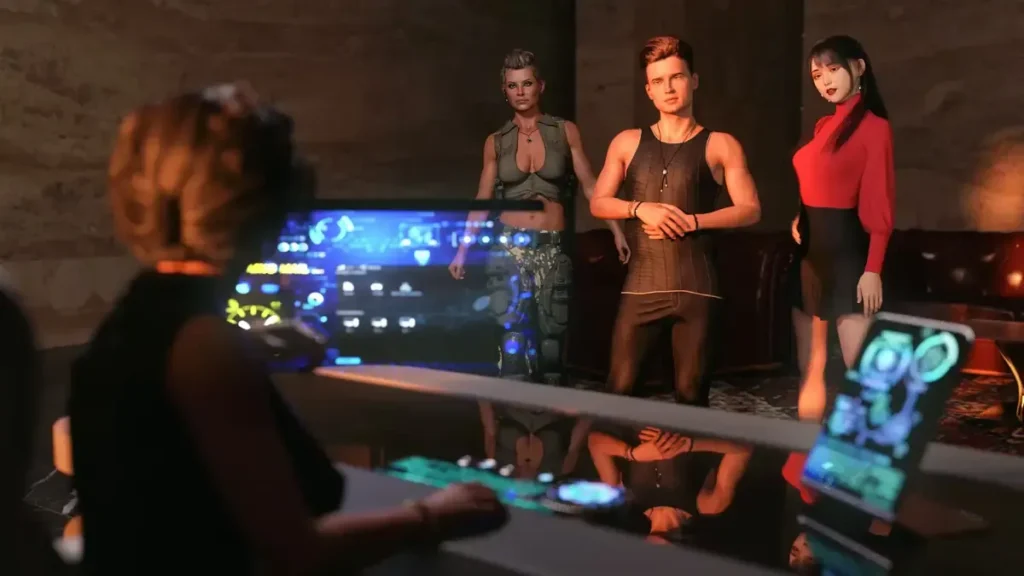
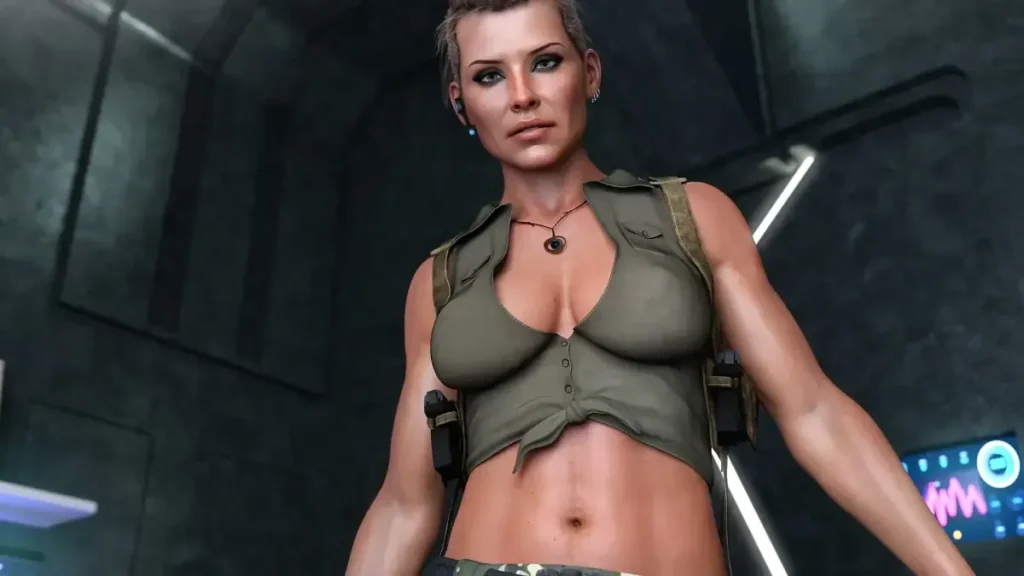






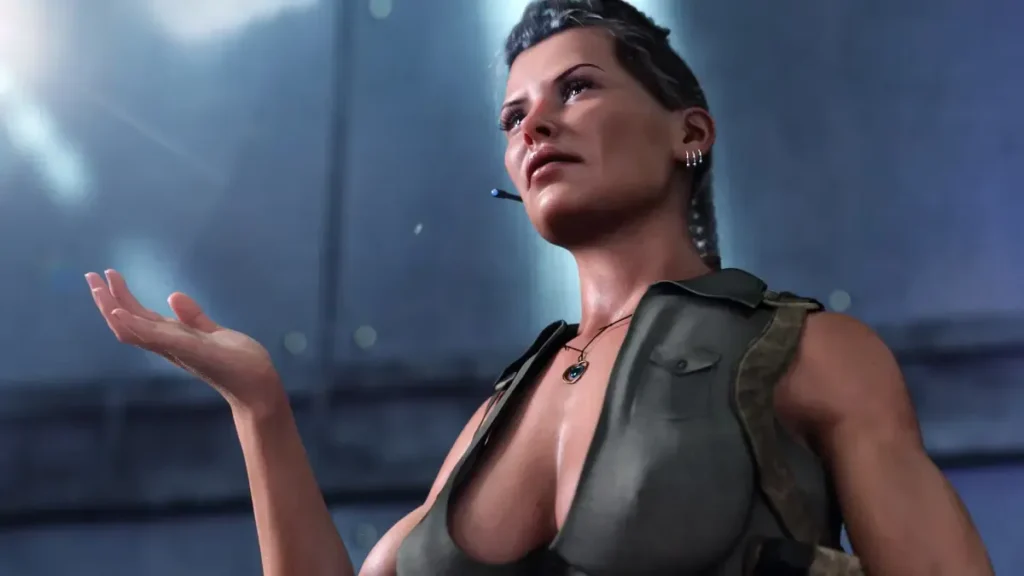





How to Fix the Future review
Master every choice, unlock hidden scenes, and navigate the sci-fi adventure like a pro
How to Fix the Future stands out as a narrative-driven sci-fi adventure that blends choice-based storytelling with immersive 3D graphics and dynamic character interactions. Developed by mr.moonmi, this game has captivated players with its intricate web of relationships, meaningful decisions, and branching storylines that genuinely impact your experience. Whether you’re new to the game or looking to maximize your playthrough, understanding the core mechanics, character dynamics, and decision systems is essential. This comprehensive guide walks you through everything you need to know to master How to Fix the Future and unlock all the game has to offer.
Understanding the Game’s Core Mechanics and Story
So, you’ve downloaded How to Fix the Future and you’re staring at the screen, wondering what you’ve just stepped into. 🤔 Maybe you’re a seasoned visual novel pro, or perhaps this is your first foray into a story-oriented adventure game. Either way, let me tell you: this isn’t your typical click-through narrative. I remember booting it up for the first time, expecting a linear tale, and within minutes, my simple choice of what to say to a barista had the game tracking a hidden “Empathy” stat. That’s when I knew this game was something special.
This chapter is your friendly guide to understanding the heart and soul of How to Fix the Future. We’re going to break down its world, its hero, and most importantly, the incredible systems that make every playthrough uniquely yours. Think of this as your orientation before you step into the time stream. 🕰️✨
### What is How to Fix the Future? Game Overview and Setting
At its core, How to Fix the Future is a narrative experience that masterfully blends the familiar with the fantastic. You play as Sam, an everyday person stuck in a monotonous sales job, whose biggest excitement is playing retro video games. Life is, frankly, a bit dull. That is, until a mysterious game disc arrives in the mail, followed by a sudden, shocking encounter with agents from a future that’s gone terribly wrong. 🚀
You’re not a chosen one born with powers; you’re recruited. Your proven skill at navigating complex, choice-driven video games makes you the perfect candidate to help them untangle a temporal catastrophe. This premise is the brilliant foundation of the How to Fix the Future game. It’s a sci-fi visual novel gameplay experience that uses the concept of gaming literacy as a core plot device. The setting shifts seamlessly from the drab, relatable offices and apartments of today to the high-tech, neon-drenched, and often perilous landscapes of a fractured future.
The sci-fi visual novel gameplay is elevated by truly stunning 3D graphics and smooth character animations that bring every scene to life. This isn’t about static portraits; characters emote, environments have depth, and action sequences feel dynamic. It’s a visual treat that pulls you deeper into its branching worlds. Currently in version 0.4 by developer mr.moonmi, the game is an expansive, evolving project that already offers hours of deeply engaging content, laying out a complex narrative web that players can begin to explore.
| Version | Release Focus | Key Narrative & Mechanic Additions |
|---|---|---|
| 0.3.0 | Foundation | Introduction of core alignment tracking, early relationship systems with characters like Alex and Jordan, and the first major temporal mission framework. |
| 0.3.5 | Depth Expansion | Enhanced dialogue trees, more subtle consequence flags, and the introduction of the “Ripple Effect” preview system for major decisions. |
| 0.4.0 (Current) | Branching Explosion | Significant expansion of the future timeline, deeper integration of the character relationship system, and complex new story arcs that demonstrate long-term decision consequences mechanics. |
### The Protagonist’s Journey: From Ordinary Life to Secret Agent
Let’s talk about Sam, because Sam is you. 👤 This is a genius move by the developers. By making the protagonist an ordinary person—one who might grumble about their boss, struggle with social anxiety, or find solace in pizza and games—they create an immediate, powerful connection. You’re not taking control of a grizzled space marine; you’re guiding a relatable human being who is just as bewildered and terrified by their new reality as you would be.
This journey from mundane salesperson to key temporal agent is the emotional engine of the game. Your initial choices in the “ordinary life” section aren’t just flavor text; they establish your baseline personality. Are you cynical or hopeful? A rule-follower or a rebel? A people-pleaser or brutally honest? The game notes these tendencies, and they color how you later interact with future technology, alien cultures, and high-stakes moral dilemmas.
The transformation isn’t about gaining super strength; it’s about gaining perspective and agency. One moment you’re trying to craft the perfect email to a difficult client, the next you’re debating the ethics of altering a historical event with a future historian. This contrast is what makes the How to Fix the Future game so compelling. Your growth feels earned because it’s built on a foundation of believable human reactions. The story-oriented adventure game prioritizes this character arc above all else, ensuring that every sci-fi spectacle is grounded in Sam’s personal journey.
### How Choices Shape Your Destiny in This Sci-Fi Adventure
Now, let’s dive into the real magic: the systems that make your choices matter. This is where How to Fix the Future ascends from a great story to a revolutionary interactive experience. Forget simple “good vs. evil” meters. This game operates on a spectrum of nuanced alignments, relationship values, and personal traits that constantly intertwine. 🔗
The Web of Alignments and Traits
The game tracks a hidden matrix of your inclinations. This isn’t one bar but several, including concepts like:
* Pragmatism vs. Idealism: Do you choose the most efficient solution or the most morally correct one?
* Conformity vs. Rebellion: Do you work within established systems or break them?
* Logic vs. Empathy: Do you lead with cold analysis or emotional understanding?
These aren’t just labels; they are keys. Certain story paths, dialogue options, and even character loyalties become available or locked based on your developing personality profile. It’s a character relationship system that goes beyond simple “like/dislike.” Your traits determine how you connect with people. A logical character might earn the respect of a future scientist, while an empathetic one might unlock the tragic backstory of a seemingly hostile agent.
The Ripple Effect Preview System: Your Temporal Lens
This is arguably the game’s most innovative feature. When you hover over a major branching narrative choice, the screen might glitch, and you’ll get a fleeting, often ambiguous glimpse of a potential future outcome. 🌀 You might see a quick image of a character smiling at you, or a city in flames, or a cryptic line of dialogue.
The Ripple Effect preview system doesn’t give you the answer. It gives you data. It’s like your latent temporal abilities as an agent manifesting as intuition. It forces you to interpret these fragments, making your choice an active puzzle instead of a blind guess. Do you trust that happy image? Is that destruction a direct result of this choice, or a red herring? It perfectly embodies the tension of time travel and makes every major decision a thrilling mini-game of analysis.
Decision Consequences Mechanics: The Butterfly Effect is Real
Here’s where the branching narrative choices cement their importance. Consequences are rarely immediate and are never binary. A choice in Chapter 1 can blossom into a completely different story branch in Chapter 4. Let me give you a real example from my playthrough:
Early Game Choice: At work, your coworker, River, is getting chewed out by your boss for a minor mistake. You can either stay silent, subtly defend River, or join in to curry favor with the boss. I chose to defend them, which felt like a small, human moment.
Consequence, Much Later: When on a mission in the future where I needed to access a restricted zone, I ran into a digital security system I couldn’t hack. Scrolling through my inventory, I found I had a “Security Override Key” I didn’t remember getting. The game log revealed it was gifted to me by River, who had been transferred to the security division and remembered my kindness. That tiny earlier act of solidarity had planted a seed of loyalty that bore fruit at a critical moment, opening a path that would have been firmly closed otherwise. This is the decision consequences mechanics in action.
These mechanics mean there is no “right” way to play, only your way. The game is designed for multiple playthroughs, as unlocking one incredible ending often means missing entire hidden scenes and character arcs that branch from different choices. It’s a sci-fi visual novel gameplay loop that rewards curiosity and role-playing.
Bringing It All Together
Mastering How to Fix the Future isn’t about memorizing a walkthrough; it’s about understanding this interconnected ecosystem. Your personality traits open doors. Your relationships provide tools and support. The Ripple Effect offers clues. And every choice, no matter how small, feeds back into this system, weaving a story that is authentically yours. It’s a story-oriented adventure game that respects your intelligence and delivers on the promise that your decisions truly do shape the destiny of the characters and the world itself.
So, as you prepare to make your first save file, remember: you’re not just picking dialogue. You’re architecting a personality, building alliances, and sending ripples through time. Pay attention to everything. Be true to the Sam you want to be, or experiment wildly! The future—in fact, multiple possible futures—are waiting to be discovered. 🎮🌟
How to Fix the Future delivers a richly layered experience that rewards careful attention to character dynamics, strategic decision-making, and thorough exploration. By understanding the game’s sophisticated relationship systems, learning to interpret Ripple Effect previews, and recognizing how your choices ripple through the narrative, you’ll unlock the full potential of this sci-fi adventure. The game’s strength lies in its refusal to offer simple solutions—every decision carries weight, every character has depth, and every playthrough can unfold differently based on your choices. Whether you’re pursuing specific relationship routes, hunting for hidden content, or simply enjoying the branching narrative, the strategies outlined in this guide will enhance your experience. Take your time with each decision, pay attention to character needs and boundaries, and don’t hesitate to experiment with different approaches across multiple playthroughs. The future is yours to shape.