Elvensang
Play Elvensang
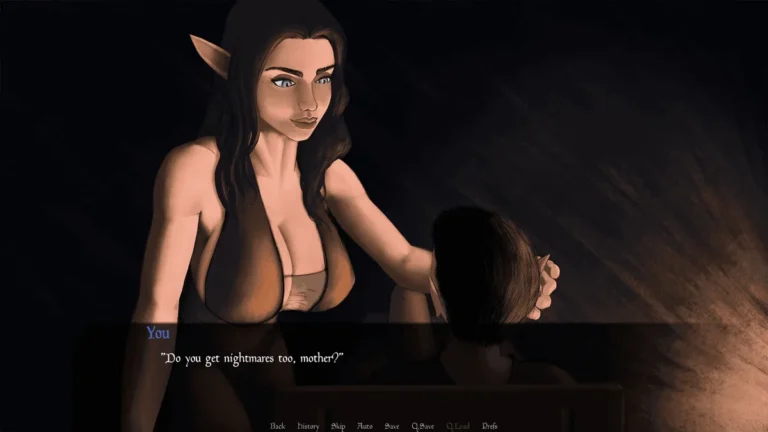
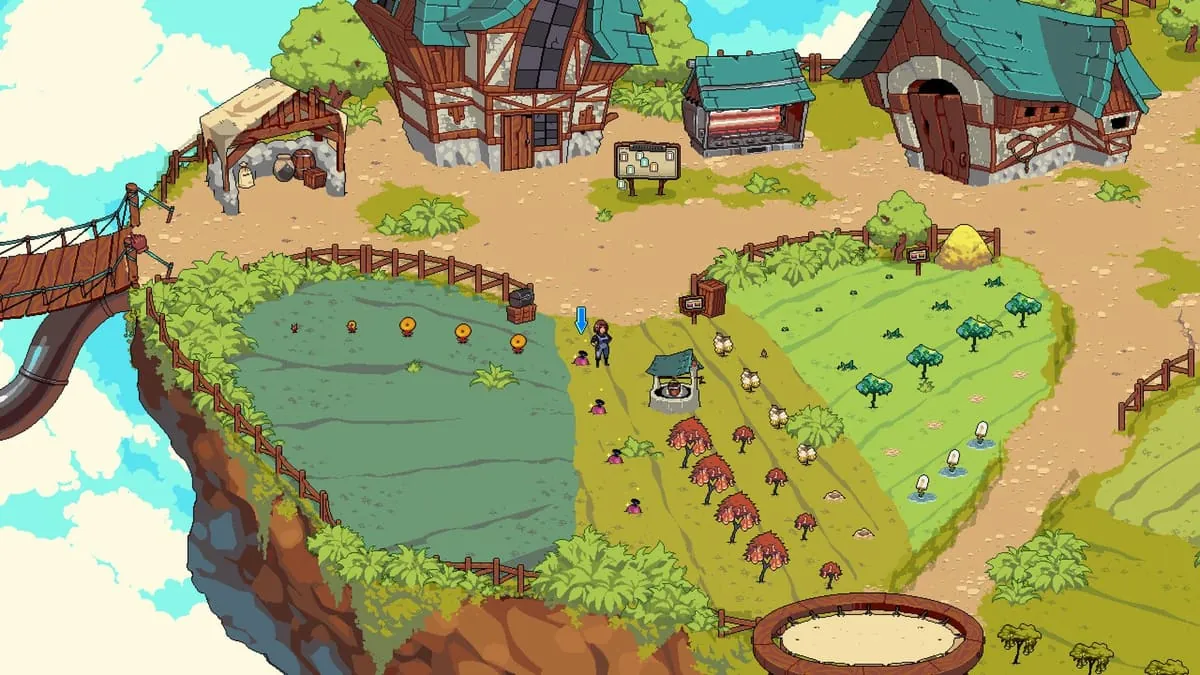
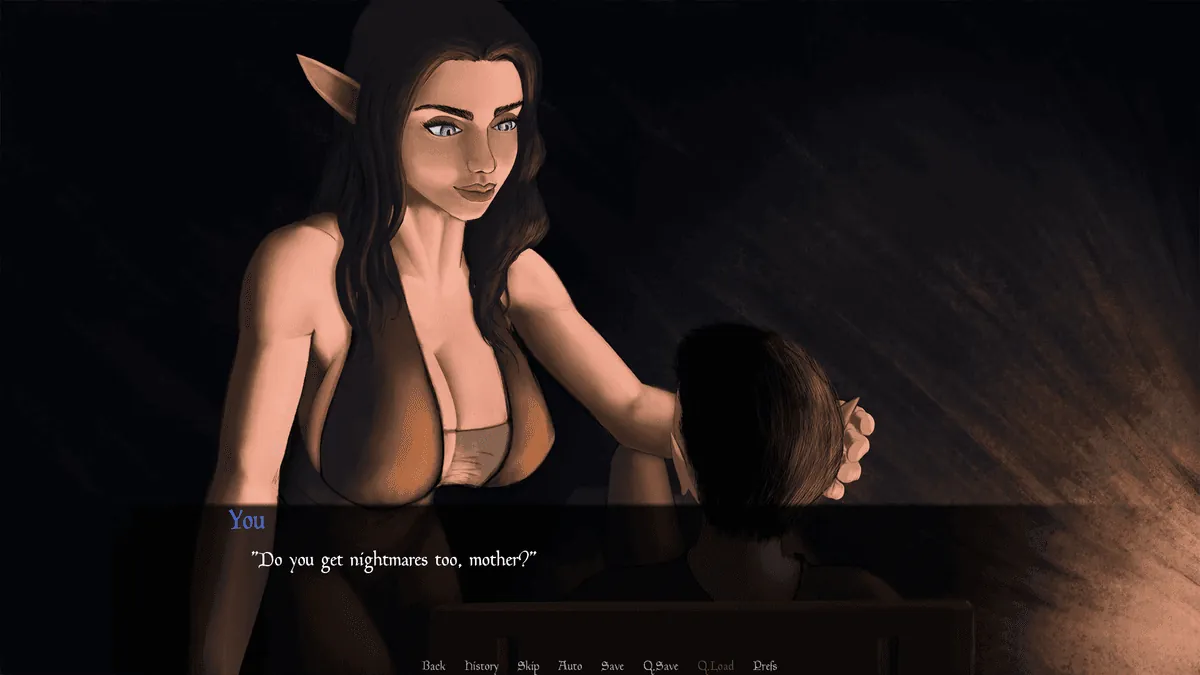
Elvensang Screenshots
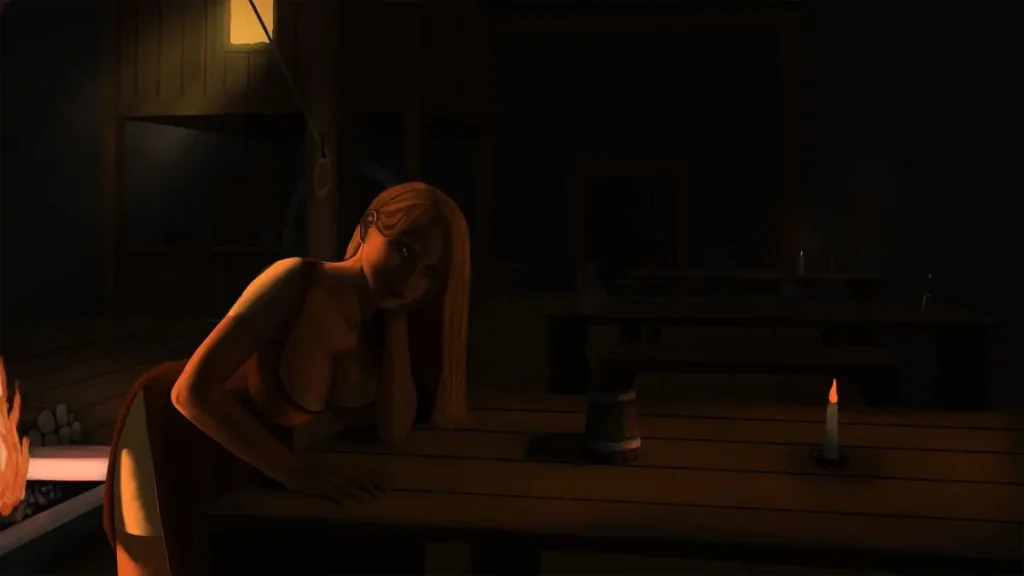
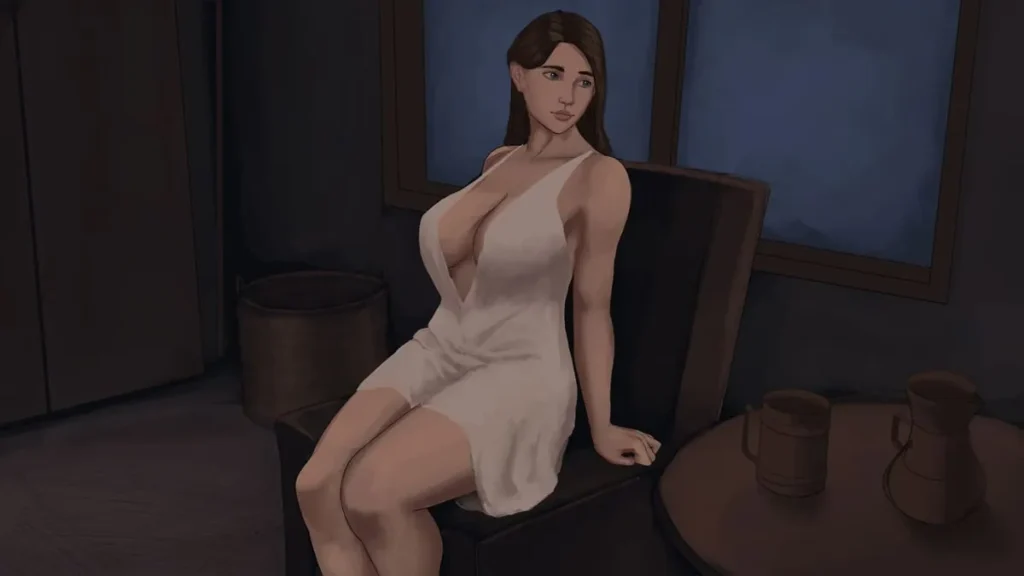

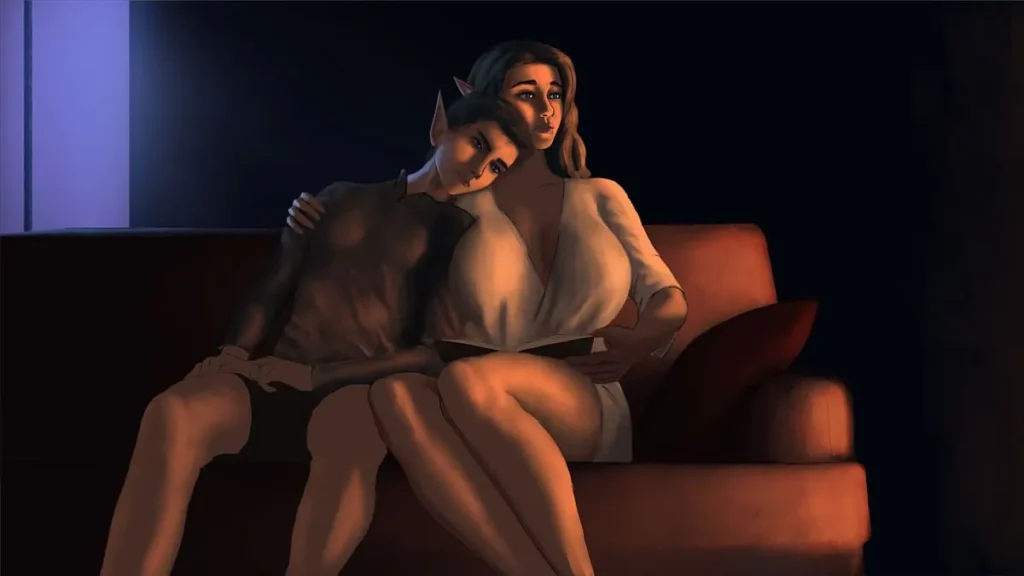
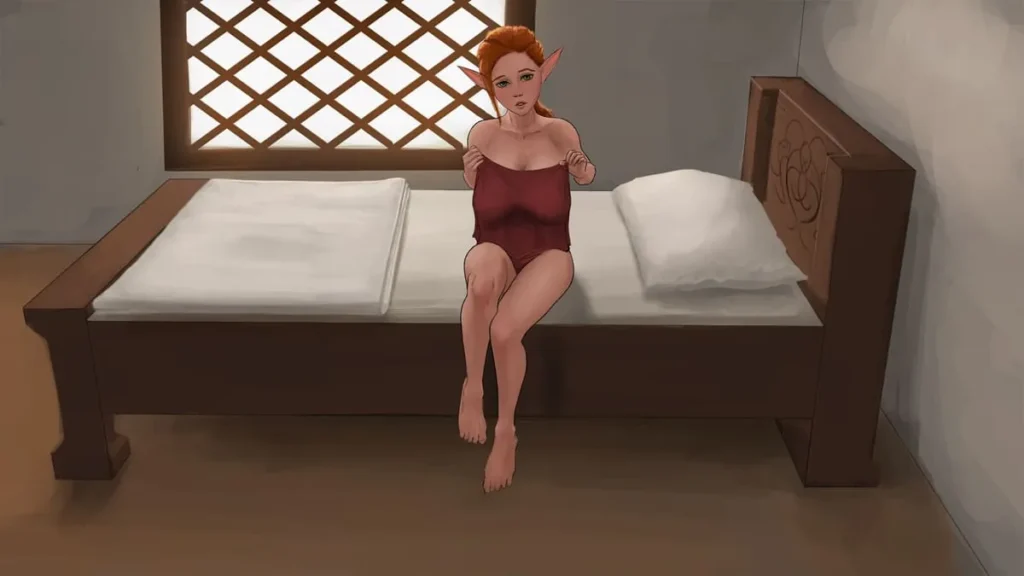

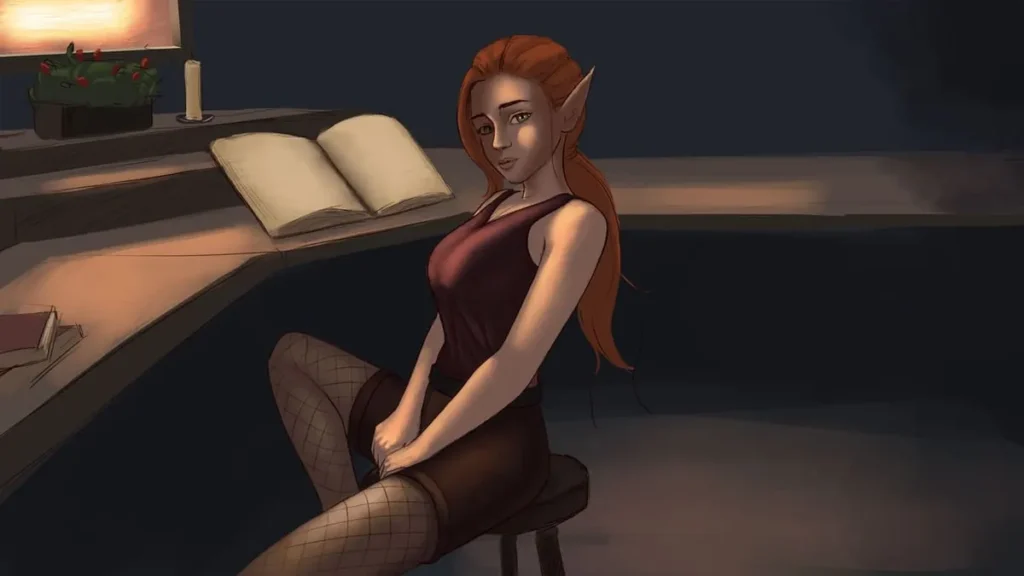
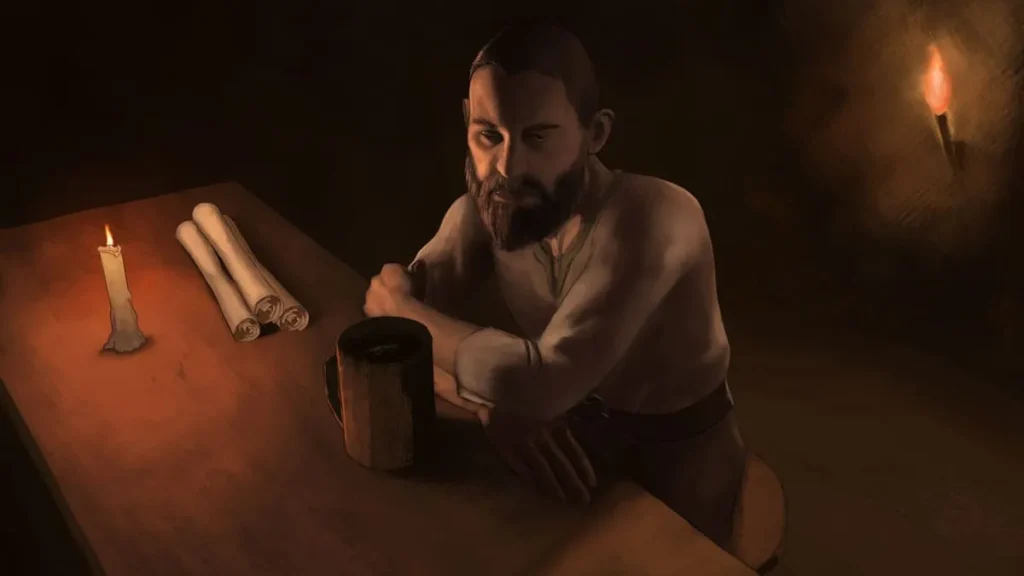
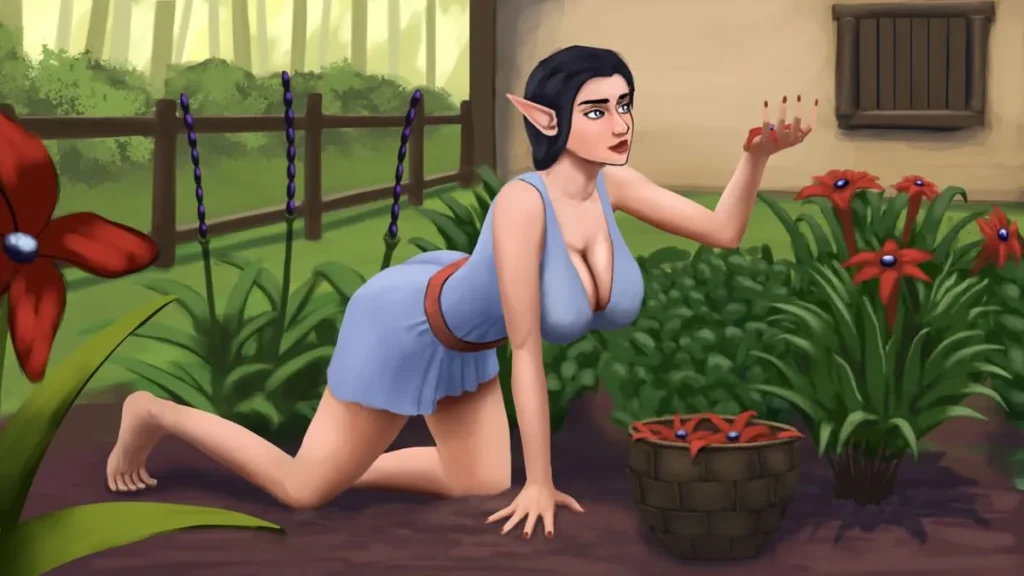
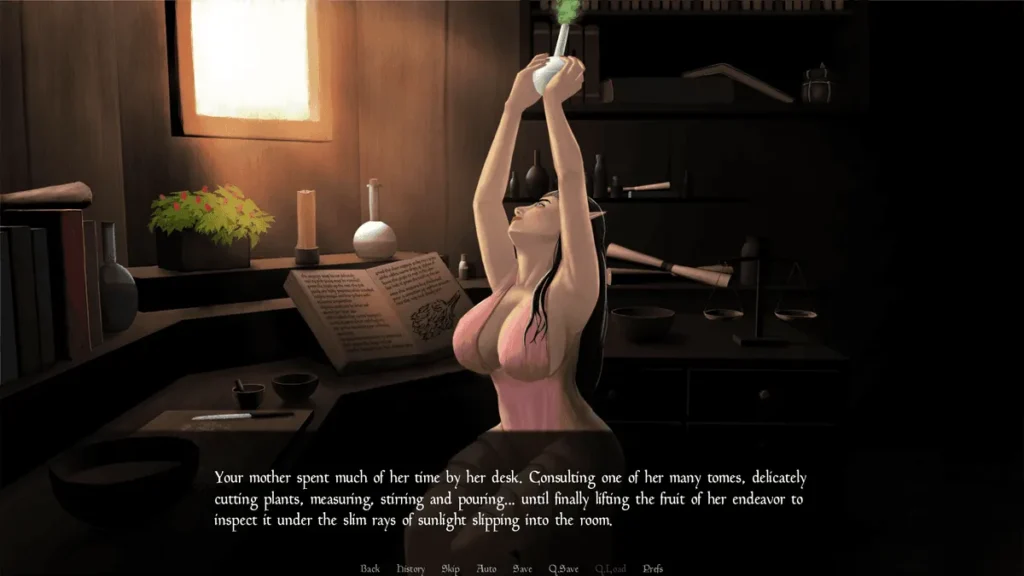
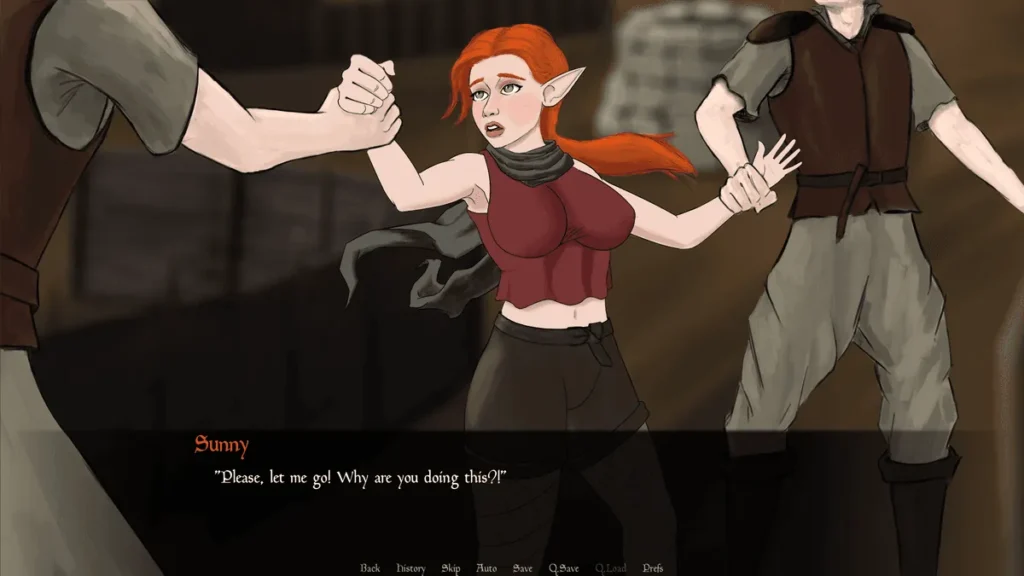
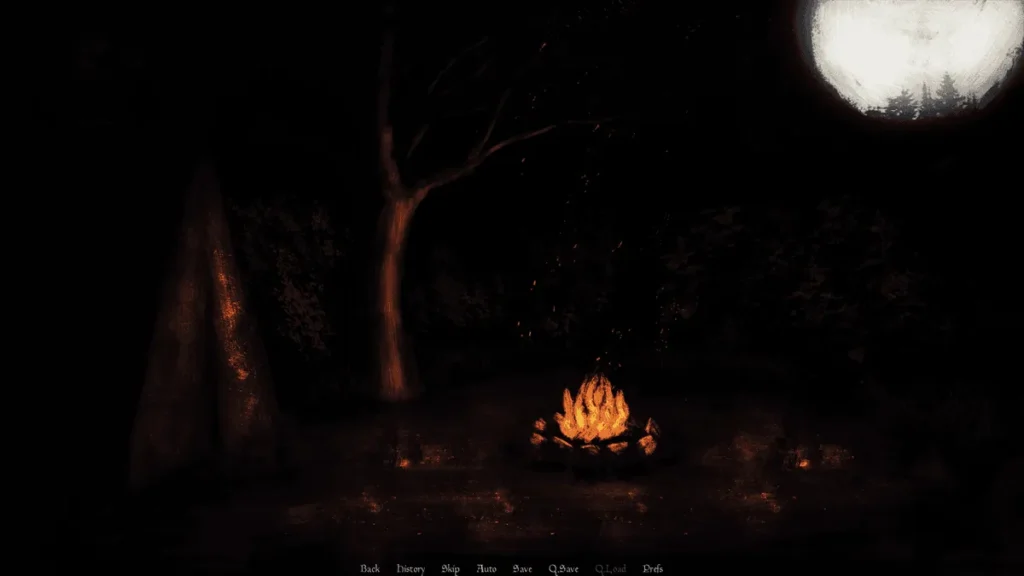
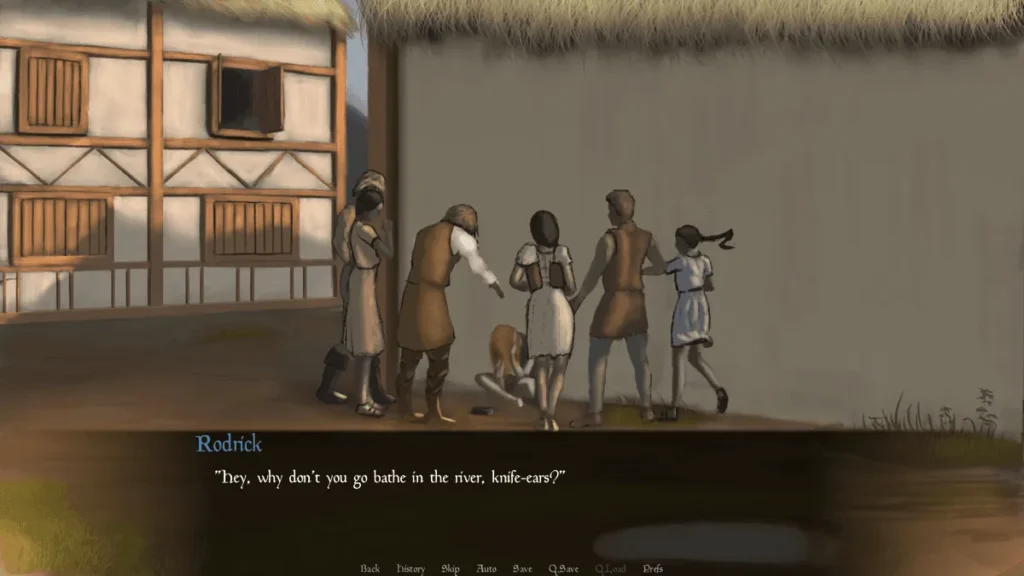
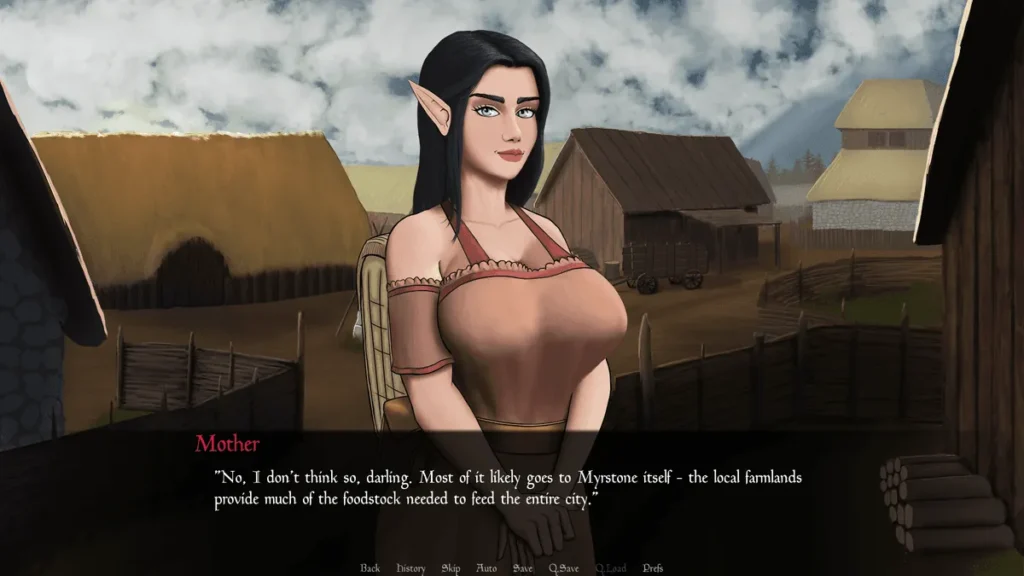
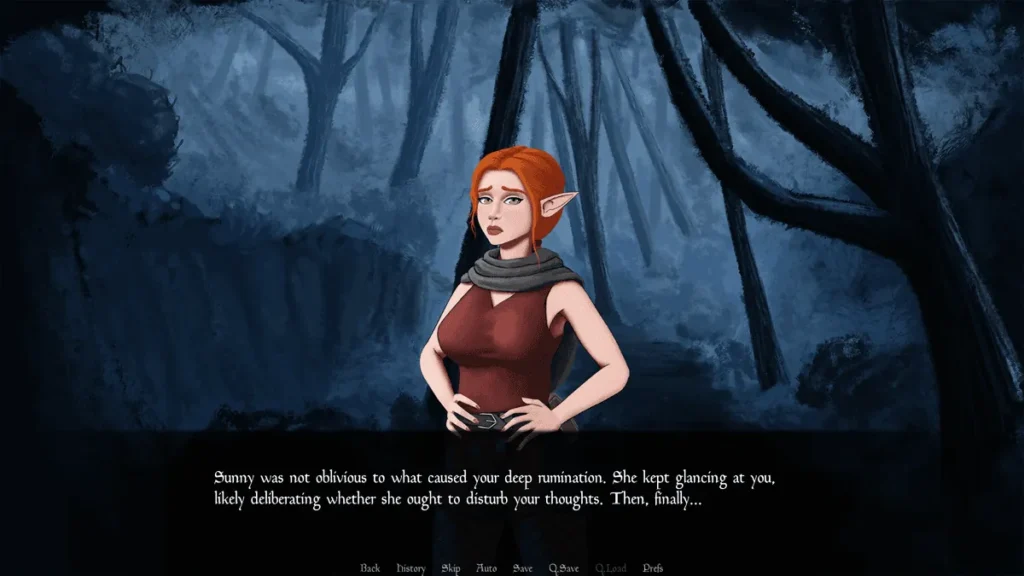
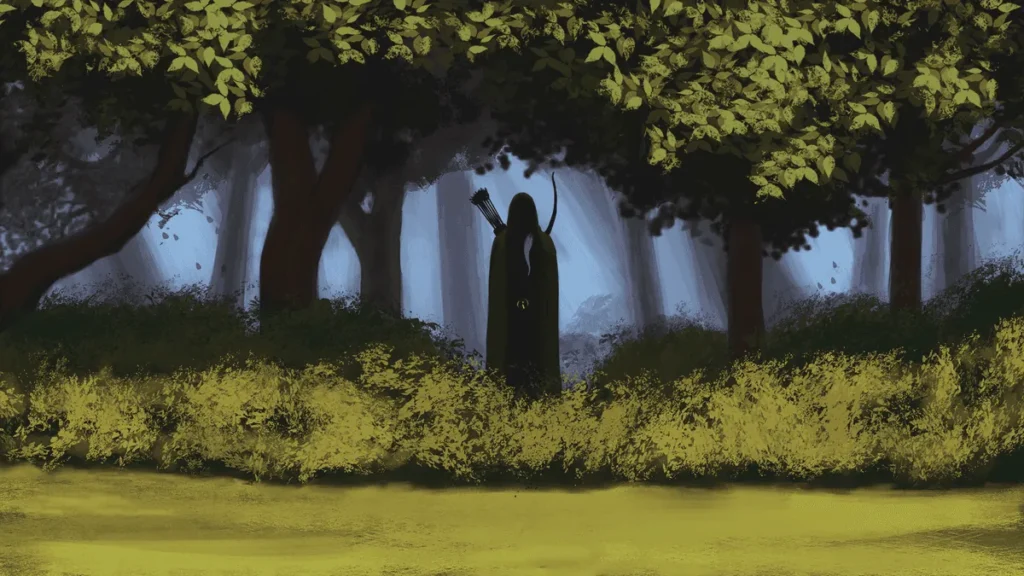
Elvensang review
Explore the immersive world, mechanics, and narrative choices in this story-driven fantasy experience
Elvensang stands out as a narrative-driven fantasy experience that combines engaging storytelling with interactive gameplay mechanics. Developed by Worlaix, this game immerses players in a medieval low-fantasy world where you control the destiny of a young elf navigating a society hostile to his kind. The experience goes beyond typical gameplay, offering meaningful choices that shape your character’s moral compass and determine whether your story unfolds as a tender romance or descends into darker territory. Whether you’re drawn to exploration, strategic combat, or character-driven narratives, Elvensang delivers a rich, reactive world that rewards player agency and careful decision-making.
Core Gameplay Mechanics: What Makes Elvensang Engaging
Welcome, traveler. You’ve arrived at the heart of the matter—what truly makes an adventure in Elvensang not just a game you play, but a world you inhabit. 🧭 I remember my first few hours, utterly overwhelmed by the sheer scale of the Whispering Woods, convinced I should just follow the glowing quest marker. That was my first mistake, and my first profound lesson. The magic of Elvensang isn’t handed to you; it’s woven into the very fabric of its systems, waiting for you to pull on the threads. This chapter breaks down the three core pillars that transform a simple fantasy setting into a living, breathing, and deeply reactive experience. Let’s dive in.
Exploration and Open-World Navigation
If you treat the world of Elvensang as a simple backdrop for your quest log, you’re missing at least 60% of the experience. This is an open-world exploration game in the truest, most rewarding sense. The map is vast, but it’s not filled with repetitive icons; instead, it’s layered with secrets, verticality, and environmental storytelling that begs you to look up, down, and behind every waterfall.
The design philosophy here is “rewarded curiosity.” You’ll see a crumbling, moss-covered statue peeking from a cliff face. There’s no quest pointing to it, no objective marker. Climbing there (yes, you can climb most surfaces, a crucial Elvensang gameplay mechanic) might reveal a hidden prayer to a forgotten god, etching a new passive blessing onto your character. These discoveries aren’t just collectibles; they’re pieces of a larger lore puzzle that can unlock entirely new dialogue options or alter how certain factions perceive you.
The environment is a character in itself, and a puzzle box. I once spent twenty minutes trying to figure out how to reach an ancient-looking grove sealed behind a wall of glowing thorns. The solution wasn’t a key or a spell from my main quest, but a rare, sun-reflective mushroom I’d found hours earlier in a completely different cave system. When I finally entered, the game didn’t just give me a chest; it presented a serene, untouched sanctuary with a spirit that offered a unique side-quest rooted in the region’s deepest history. This is the essence of exploration in Elvensang.
Pro Tip: Always carry a few ropes and grappling hooks. Some of the most breathtaking vistas and lucrative secrets are accessed not by walking, but by thinking in three dimensions. 🧗♂️
The rewards for this kind of engaged exploration are tangible and deeply satisfying. You’re not just ticking boxes; you’re building your own understanding of the world. Here’s what you can typically find when you venture off the golden path:
- Hidden Lore Scrolls & Stone Tablets: These aren’t flavor text. They provide concrete historical context, reveal the true motives of ancient powers, and can be referenced in conversations to gain favor or intimidate NPCs.
- Secret Groves and Sanctums: Often home to unique resources, rare crafting recipes, or resting spots that grant prolonged buffs. Finding one feels like discovering your own personal headquarters.
- Rare Alchemical and Crafting Materials: The best gear often requires components found only in remote, dangerous, or cleverly hidden locations. That dragon-bone armor set won’t craft itself!
- Alternative Quest Solutions & Shortcuts: Stumbled upon a hidden tunnel behind a waterfall? It might lead directly into the back of a bandit fort you were supposed to siege, offering a stealthy approach the quest-giver never mentioned.
This open-world exploration game design creates a powerful sense of agency. Your journey is literally shaped by the paths you choose to take, both physically and narratively.
Dynamic Combat System and Strategic Gameplay
Combat in Elvensang is a dance, not a mosh pit. Dismiss any notion of mindless button-mashing; survival here demands observation, adaptation, and a keen use of your surroundings. This dynamic combat system pairs fluid, action-oriented controls with a layer of tactical depth that had me rethinking my entire approach after my first brutal defeat by a group of goblins. 🤺
At its core, it’s a game of stamina management and reading tells. Every swing of a greatsword, every dodge roll, and every spell cast drains your stamina bar. An empty bar leaves you vulnerable and unable to defend yourself, making patience and timing more valuable than aggression. Enemies have distinct wind-up animations and attack patterns. Learning that a Bog Troll roars and slams its chest twice before a charge is the difference between a graceful sidestep and being flattened.
But where the system truly sings is in its environmental interactivity, a key part of its strategic gameplay mechanics. The world isn’t just a combat arena; it’s your arsenal. I was once cornered in a mountain pass by a Warband Chieftain and his guards. Outnumbered and low on health, I noticed frayed ropes holding a massive pile of logs above them. A quick switch to my bow, a single arrow to sever the rope, and the encounter ended in a chaotic, satisfying rumble. Using my sword would have been a futile, heroic last stand. Using my environment was a brilliant, victorious tactic.
This philosophy applies everywhere. Lure enemies into poisonous gas vents, shatter frozen pillars onto them, or use a Spark spell to ignite oil slicks on the floor. The game constantly asks: “Do you fight your enemy, or do you let the environment fight for you?” This layer of strategy elevates every skirmish from a test of reflexes to a test of creativity.
You’ll need to master a blend of melee, ranged, and elemental abilities, but your greatest weapon is always your eyes. Scan the battlefield before engaging. Look for loose boulders, hanging braziers, or unstable ground. This dynamic combat system ensures that no two fights ever feel exactly the same, because the terrain itself becomes a variable in your strategic equation.
Now, let’s visually break down how these core systems interact to define the Elvensang gameplay mechanics.
| Mechanic Name | Description | Player Impact |
|---|---|---|
| Open-World Exploration | A vertically rich, interactible world filled with discoverable secrets, lore, and environmental puzzles that are not marked on the map. | Fosters player-driven discovery, rewards curiosity with tangible power-ups and narrative depth, and makes the world feel authentically vast and mysterious. |
| Dynamic Combat System | Action-based combat requiring stamina management, enemy pattern recognition, and strategic use of the environment (e.g., collapsing structures, elemental hazards). | Transforms combat from repetitive encounters into unique, tactical puzzles. Promotes creative problem-solving over simple stat-checking or reflex tests. |
| Narrative Choice System | A complex web of tracking that monitors faction standing, individual character relationships, and philosophical leanings, influencing dialogue, quest availability, and story outcomes. | Creates profound narrative agency, where choices carry lasting, often unforeseen consequences. Makes each playthrough feel personally authored and morally significant. |
Narrative Choice System and Faction Reputation
Here lies the crown jewel of Elvensang, the system that ties everything together and makes your version of the story truly your own. Forget simple “good vs. evil” sliders. Elvensang’s narrative choice system is a living, breathing web of consequences that tracks your reputation on multiple, often conflicting, axes. 🕸️
Your actions are monitored by three primary, interlocking systems: the faction reputation system, the character relationship system, and your hidden philosophical alignment. These aren’t isolated meters; they gossip with each other. Helping the secretive Shadow Weavers might earn you a powerful ally in their spymaster (boosting that character relationship system), but it will absolutely tank your standing with the honorable Sunward Knights (faction reputation system in action). And doing it through deceit rather than diplomacy might subtly shift your personal alignment toward “Cunning” over “Honorable.”
These choices are rarely black and white. In one early quest, I had to mediate a land dispute between a human logging village and an elven grove-guardian. I could:
1. Side with the villagers for immediate gold and human faction reputation.
2. Side with the elves, preserving the forest and gaining rare nature magic.
3. Forge a compromise, which required a high Persuasion skill and specific lore knowledge I’d found while exploring.
4. Secretly sabotage both sides to let a third, manipulative faction move in—a choice I didn’t even see until my second playthrough.
My decision didn’t just close a quest. It altered which vendors were available to me, changed the dialogue of every NPC in the region for the rest of the game, and determined whether a certain companion would even consider joining me later. It made the world feel reactive and alive.
The character relationship system is equally deep. Companions and major NPCs have their own memories, biases, and goals. They remember your promises, your insults, and how you treated their friends. A companion who admires strength might approve of a ruthless decision, while one who values mercy will grow cold and distant. This isn’t just about approval points; it can unlock unique companion quests, romance paths, or even lead to betrayal if you consistently violate their core beliefs. I once lost my trusted healer halfway through the game because a series of “pragmatic” choices revealed me to be the kind of leader she could no longer follow.
Most compellingly, your choices can gradually reshape who your character is. The game tracks not just what you do, but the reasoning behind it. Consistently choosing violent solutions, intimidating dialogue, and ruthless betrayals can slowly transform your protagonist, altering their appearance, unlocking unique “Tyrant” dialogue options, and literally changing how NPCs describe you in whispers. You might become a feared warlord, a cunning manipulator, or a whispered myth. Conversely, a path of mercy and diplomacy shapes a different legend. And yes, some decisions can lead to the permanent, often tragic, demise of characters you’ve grown to know.
The scope of this is staggering. To give you a sense of the commitment: just in the game’s expansive fifth episode, there are approximately 43,000 words of dialogue and scene variations directly tied to meaningful player choice implementation. This ensures that your journey is never just an illusion of choice, but a fundamentally unique narrative experience.
Your adventure in Elvensang is a tapestry you weave from these three threads: the freedom of exploration, the tension of strategic combat, and the weight of narrative consequence. Mastering the Elvensang gameplay mechanics means understanding that these systems are not separate minigames, but parts of a cohesive whole. The lore you find exploring can give you an edge in diplomacy. The reputation you build with a faction can open up new areas to explore. The way you choose to fight—honorably, savagely, or cleverly—will be noted by the world and its people. This is what makes Elvensang more than a game; it’s a story you live, one meaningful choice at a time.
Elvensang delivers a compelling blend of meaningful gameplay mechanics, deep character customization, and morally complex storytelling that sets it apart in the visual novel landscape. From its fluid exploration system and strategic combat to its reactive narrative choice mechanics, the game rewards player agency and careful decision-making. The detailed character creator allows genuine self-expression, while the diverse cast of characters and relationship systems create emotional investment in your journey. Set in a richly detailed medieval fantasy world where every choice carries weight, Elvensang offers multiple story paths ranging from tender romance to darker moral descent. With approximately 43,000 words of content, 45 unique artworks, and a developer committed to prioritizing story over explicit content, the game provides an immersive experience for players seeking narrative-driven fantasy adventures. Whether you’re exploring hidden secrets, engaging in strategic combat, or navigating complex moral choices, Elvensang invites you to shape a unique story that reflects your values and decisions. Start your journey today and discover what kind of legend your elf will become.