Crimson High
Play Crimson High
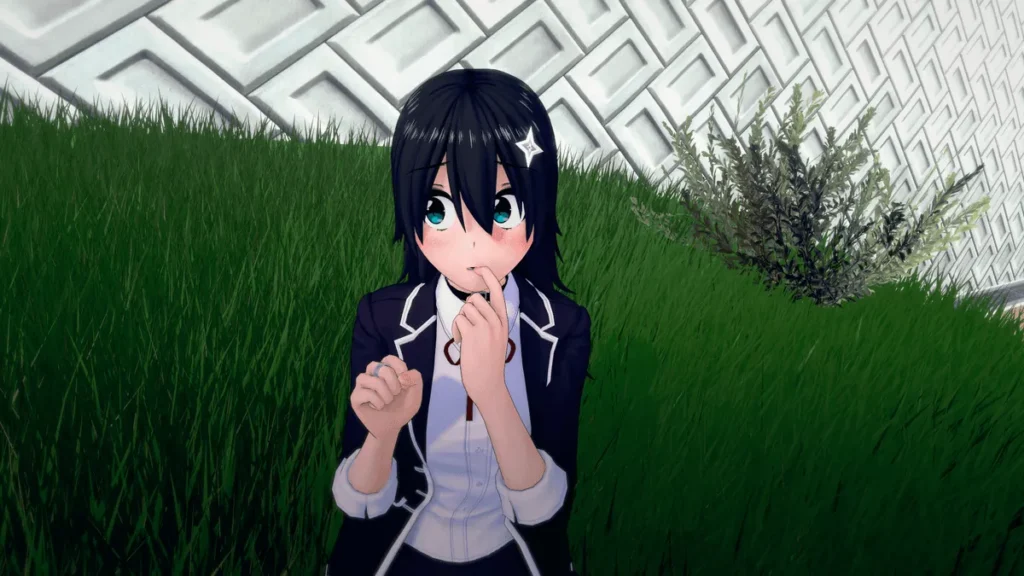
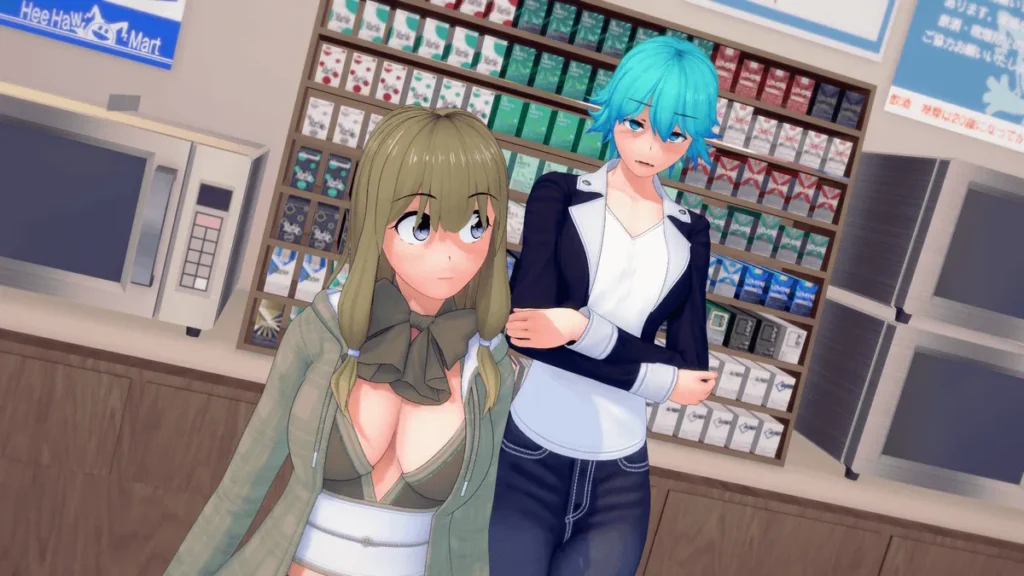
Crimson High Screenshots

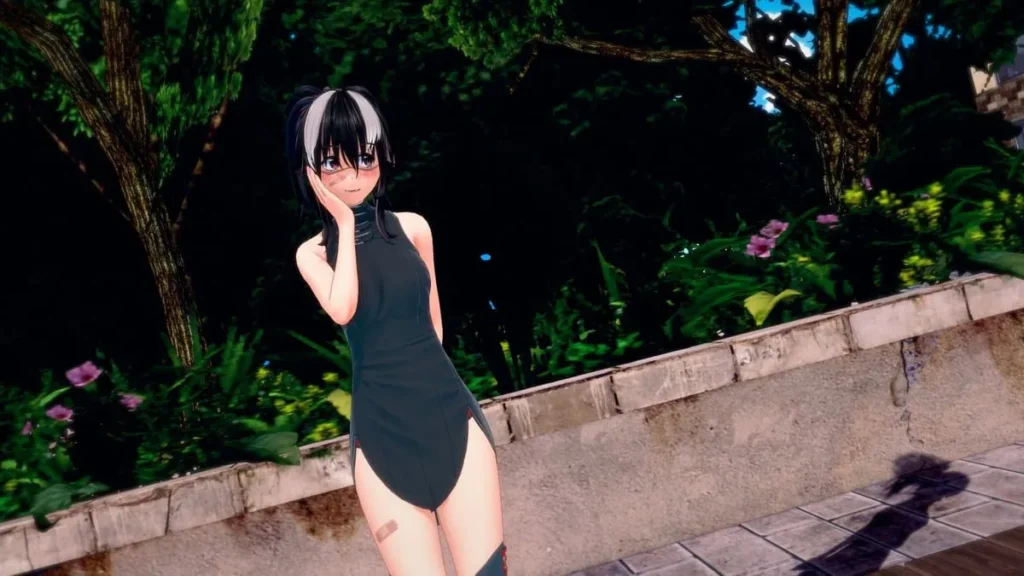
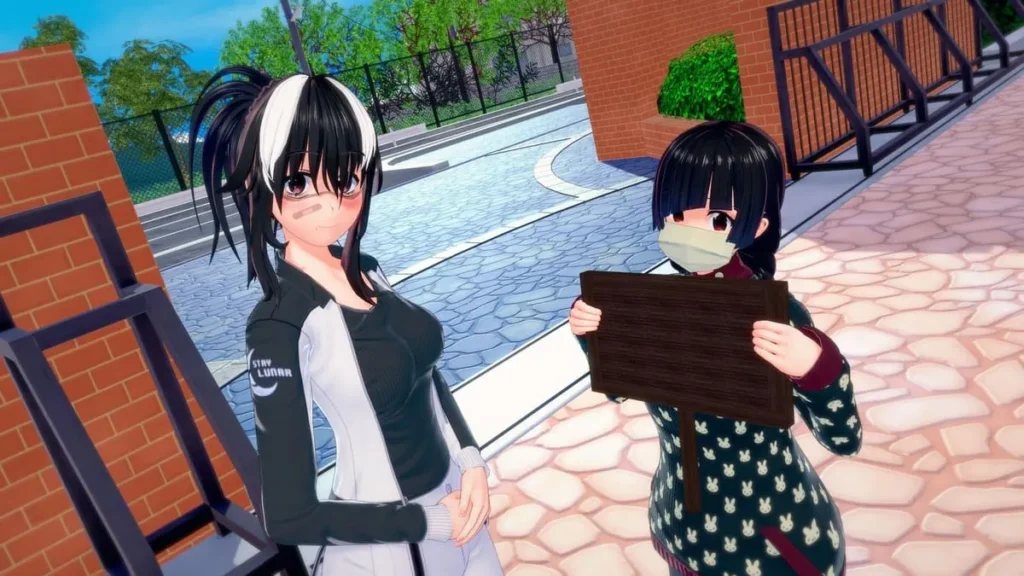
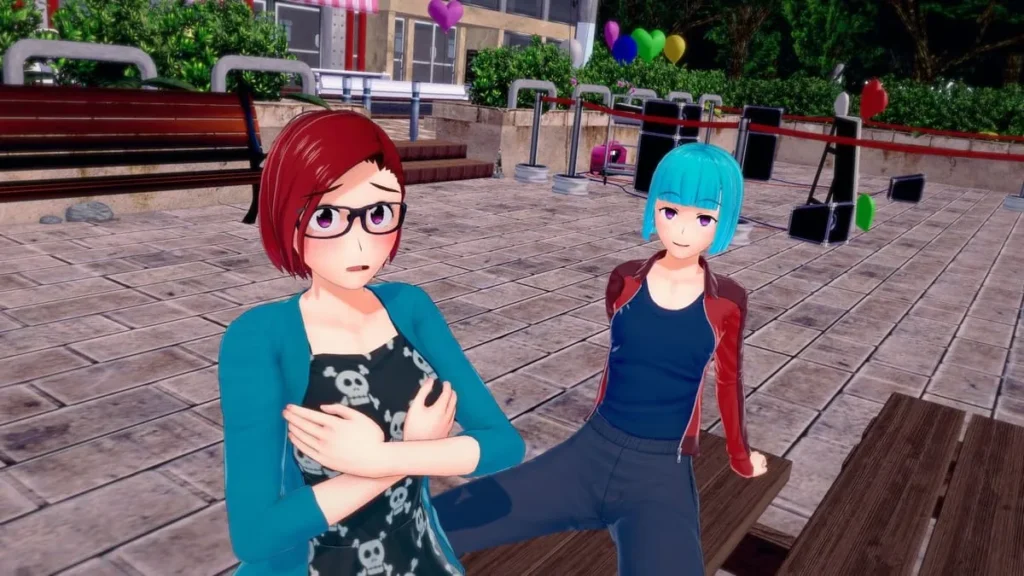
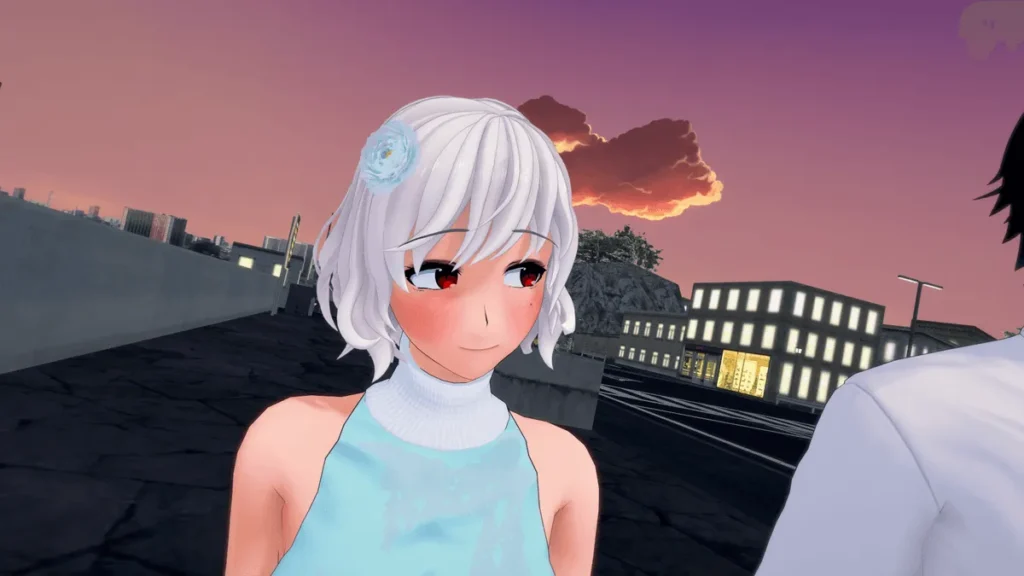
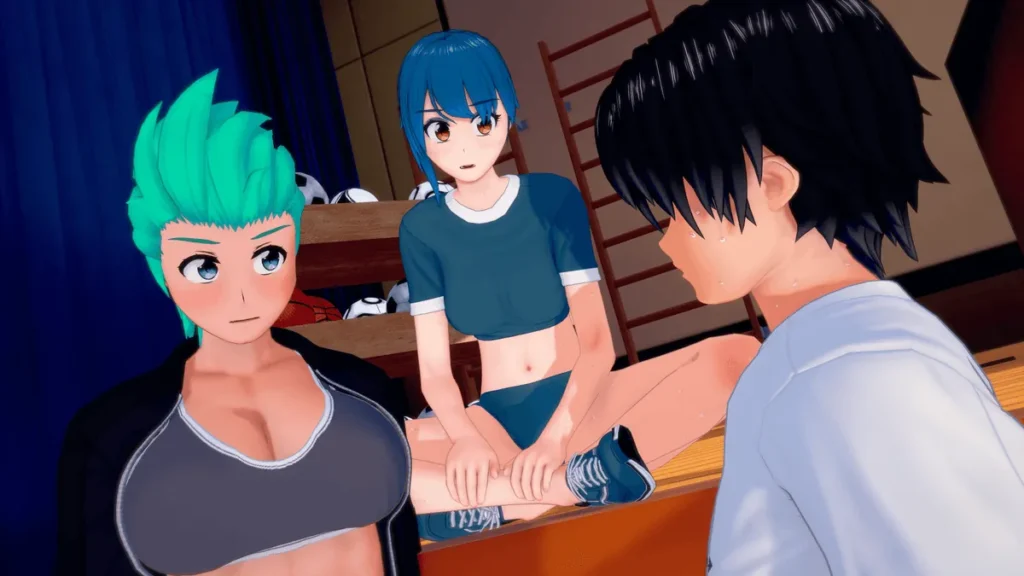
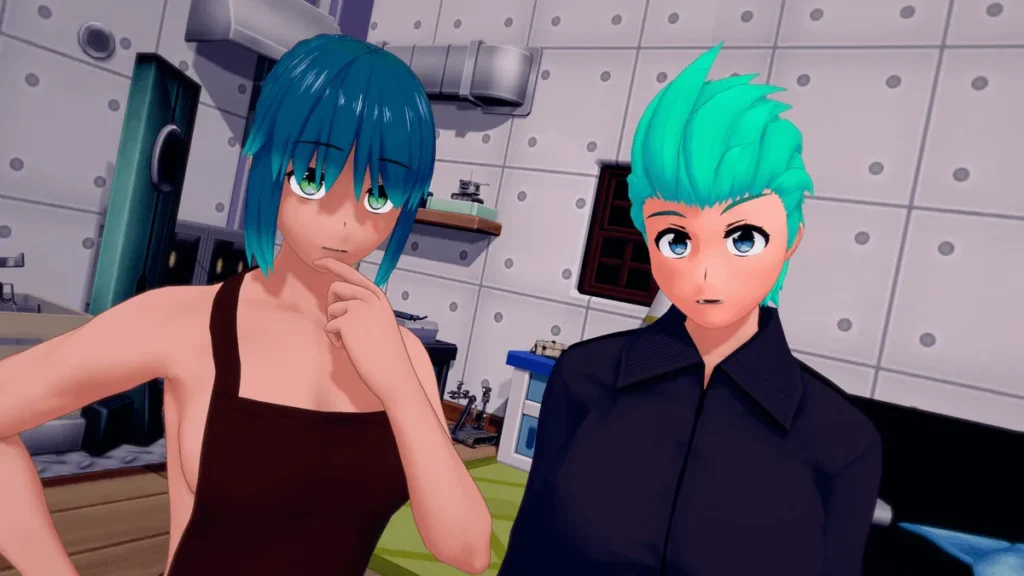
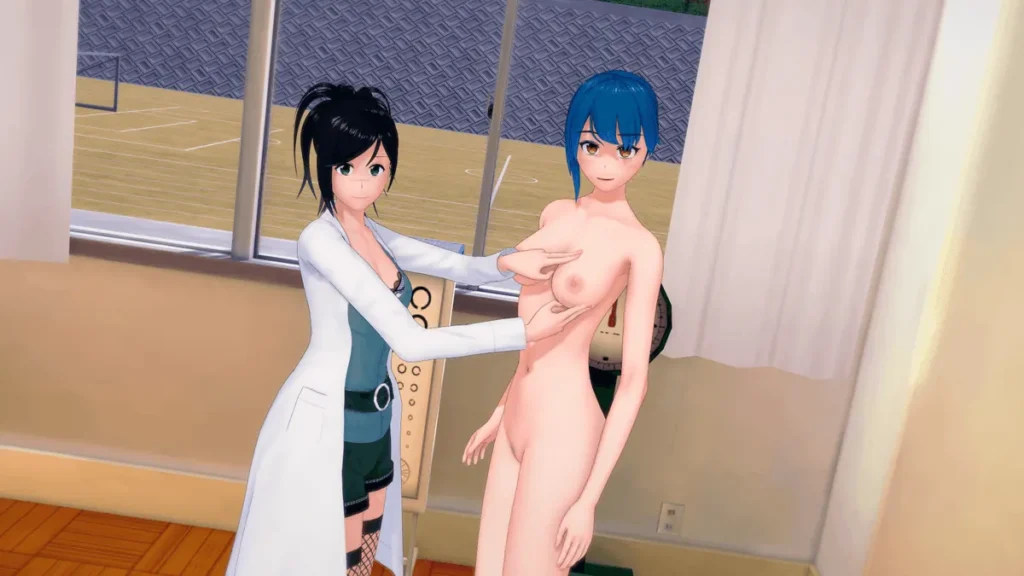
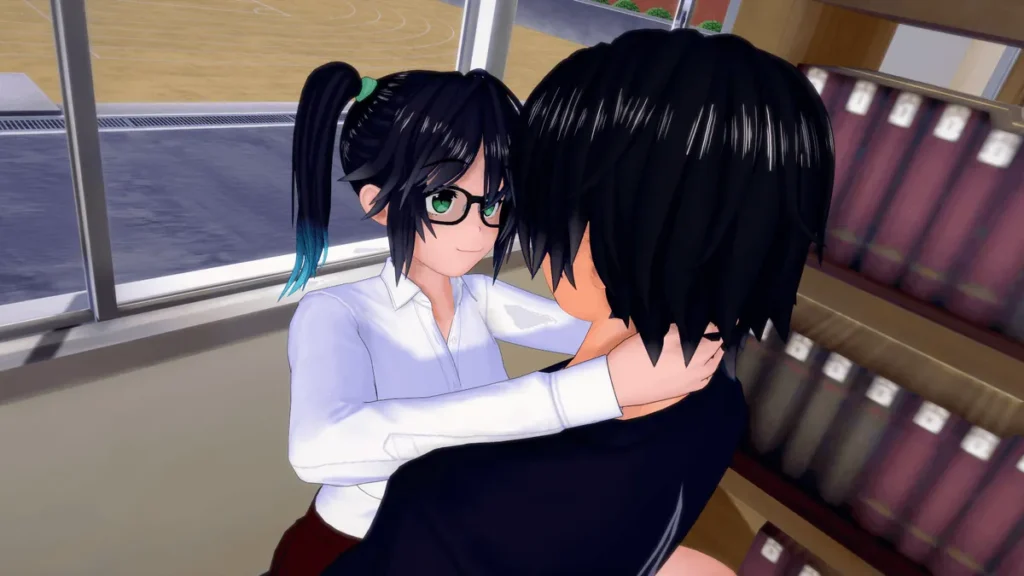
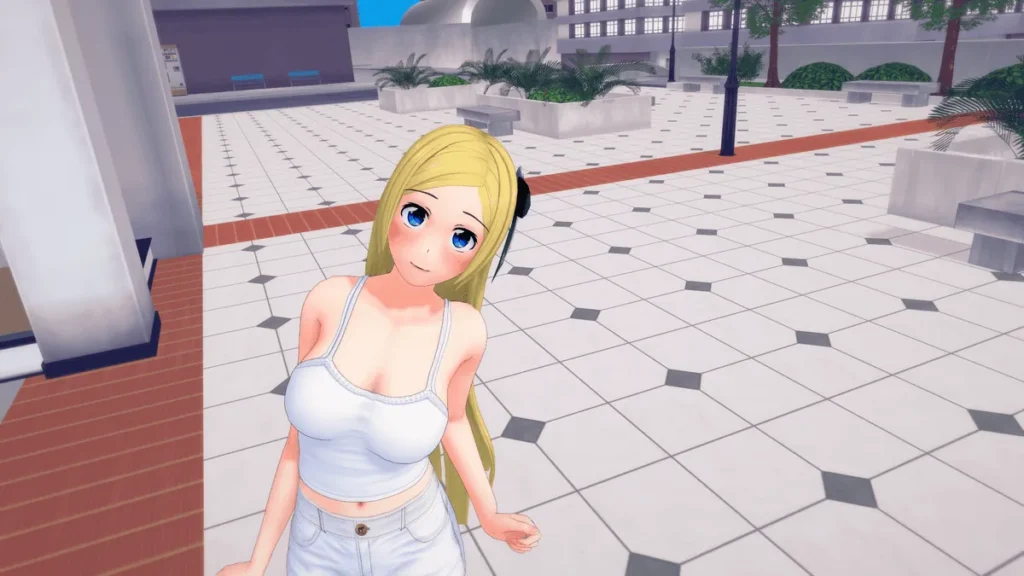
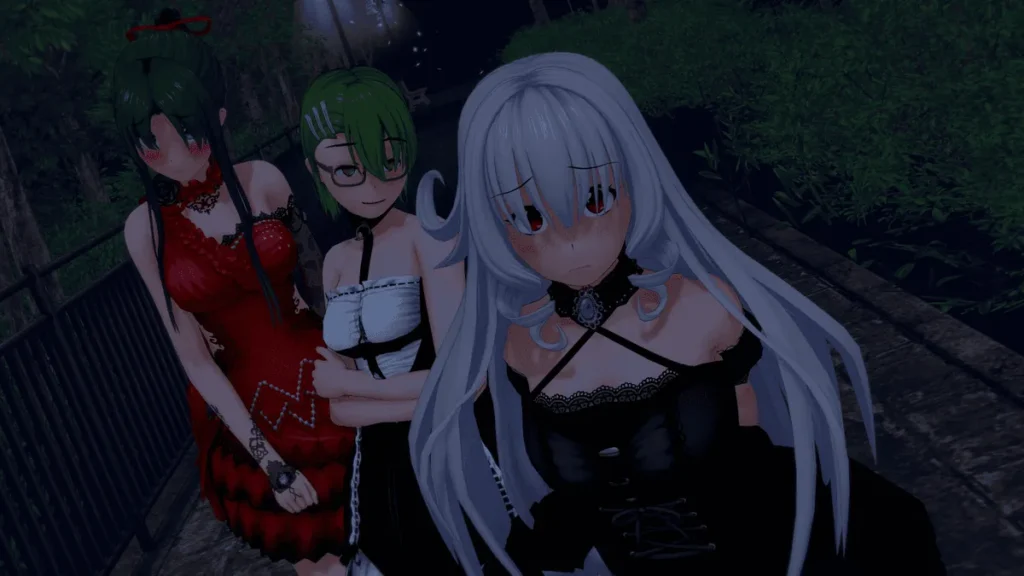
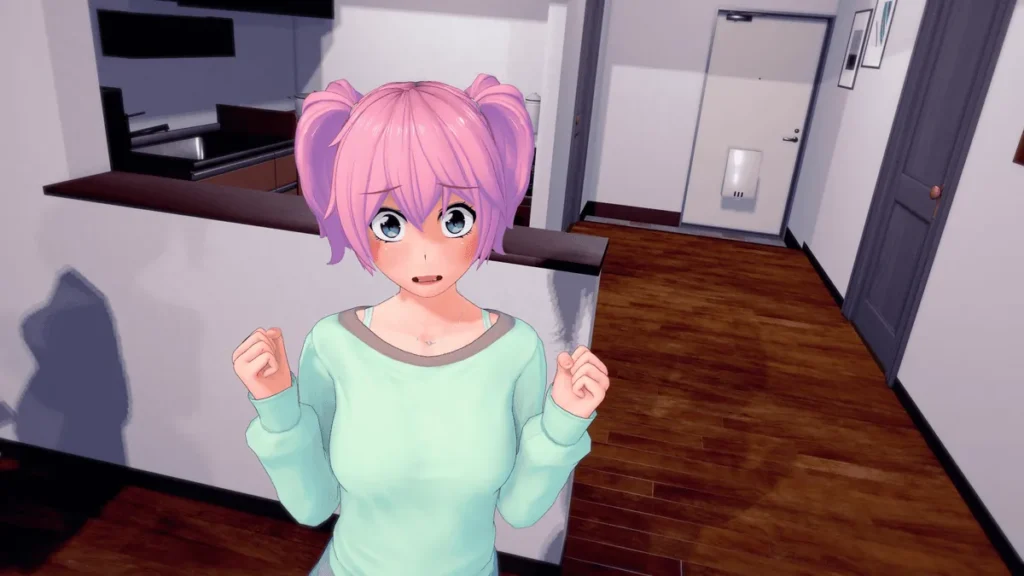
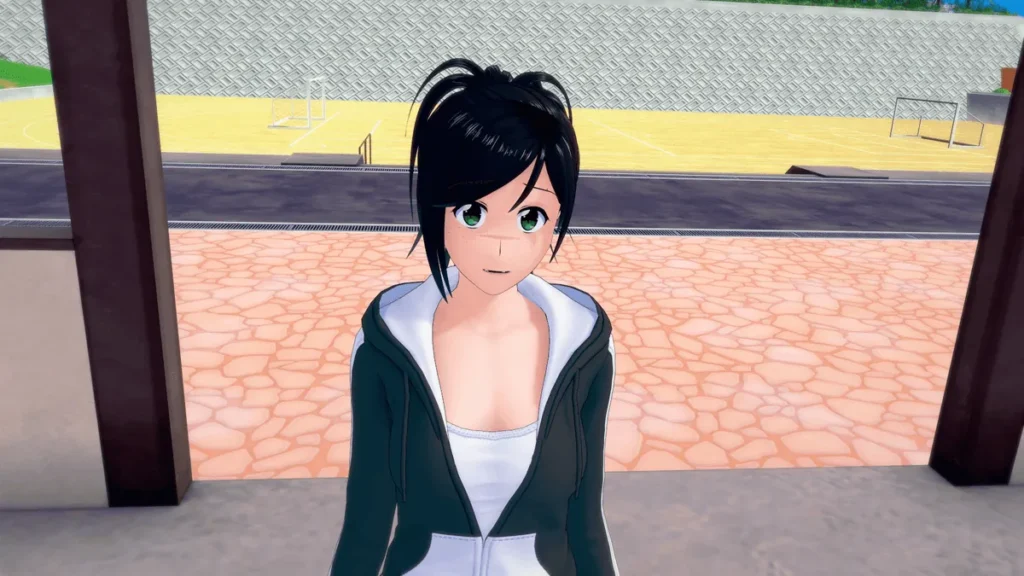
Crimson High review
Explore gameplay mechanics, character development, and story progression in this visual novel experience
Crimson High is a narrative-driven visual novel that combines character-driven storytelling with player choice mechanics. This guide explores the game’s core features, character relationships, progression systems, and what makes it stand out in the visual novel genre. Whether you’re new to the game or looking to deepen your understanding of its mechanics and narrative structure, this comprehensive overview covers everything you need to know about the Crimson High experience, from initial gameplay through advanced story elements.
Understanding Crimson High Gameplay Mechanics and Story Structure
Ever felt like your choices in a game actually mattered? Like you weren’t just riding a pre-written train to a single, inevitable station? That’s the magic Crimson High weaves from the very first click. As a visual novel, its Crimson High gameplay mechanics are deceptively simple on the surface—read, click, choose—but beneath lies a complex web of cause and effect that truly puts the story in your hands. I remember my first playthrough, thinking a casual compliment was harmless, only to find it completely shifted a character’s trust in me three chapters later. It’s this intricate design that makes exploring every nook and cranny of its world so utterly compelling. 🎮
This guide will break down exactly how this beautiful machine works. We’ll dive into the heart of its systems, from building delicate visual novel character relationships to navigating the pivotal branches of its Crimson High story progression. Whether you’re a veteran of choice-based narrative games or new to the genre, understanding these mechanics is key to unlocking every secret Crimson High has to offer.
How Crimson High Gameplay Works: Core Mechanics Explained
At its core, Crimson High presents itself as a classic visual novel. You’ll spend most of your time reading beautifully presented text against stunning backgrounds, with character sprites that express a wide range of emotions. But to call it just a “digital book” would be a massive disservice. The game is an interactive tapestry where your agency is the primary thread. ✨
The fundamental loop is straightforward:
1. Narrative Segments: You absorb the story, getting to know the eclectic cast of Crimson Peak Academy.
2. Decision Points: At key moments, the game pauses and presents you with a choice. These can range from simple dialogue responses to major moral or strategic decisions.
3. System Feedback: Your choice is immediately processed by the game’s hidden systems—primarily the character affection system visual novel fans will recognize—altering relationship values and setting flags for future events.
4. Consequence & Progression: The story adapts, sometimes subtly, sometimes dramatically, leading you to new narrative branches, exclusive scenes, and ultimately, one of many endings.
What sets Crimson High apart is the weight of these choices. There are no clearly marked “Good” or “Evil” options. Instead, you’re choosing based on personality, intent, and strategy. Do you side with the strict class president to maintain order, or secretly help the rebellious artist with her prank? Each action feels authentic to the school-life setting, but their repercussions echo throughout the entire Crimson High story progression.
A brilliant aspect of the Crimson High gameplay mechanics is the blend of mandatory and optional scenes. Main plot beats will advance no matter what, ensuring the central mystery of the academy unfolds. However, how you experience those beats, and which character-driven side scenes you unlock, is entirely dependent on your choices and relationship levels. This balance ensures the pacing never drags while rewarding players who invest in the world and its people. 🏫
Character Relationship Systems and Progression Paths
This is where the soul of the game resides. Crimson High features a rich cast, but not all characters are created equal in terms of narrative depth. Understanding the distinction between Main Heroines and Sub-Characters is crucial for managing your expectations and guiding your playstyle.
The character affection system visual novel enthusiasts love is present here, but it’s elegantly integrated. You don’t see a numerical score (thankfully!), but you feel its effects through changed dialogue, the availability of new choices, and the unlocking of intimate, personal scenes. Giving a character their favorite snack from the vending machine, supporting their passion project, or simply choosing to spend time with them during free periods—all of these actions silently build a connection.
Main Heroines have extensive, branching routes that can lead to unique romantic or deeply platonic conclusions. Their stories are woven into the main plot, and reaching their specific endings requires dedicated focus and consistent choices that align with their values. Sub-Characters, meanwhile, offer rich side stories and world-building. You can befriend them, help them with personal arcs, and even trigger small, self-contained endings, but their paths won’t alter the primary narrative’s climax in major ways.
Here’s a breakdown to visualize the differences:
| Character Type | Role in Story | Route Depth | Affection Mechanics | Availability |
|---|---|---|---|---|
| Main Heroine (e.g., Elena, the Student Council VP) | Central to the main plot; their personal conflict ties directly to the academy’s mystery. | Full, branching narrative route with multiple endings (romantic & close friendship). | Complex. Choices must align with their core personality. High affection unlocks pivotal story decisions. | Route is available from Chapter 1, but must be consistently pursued. |
| Sub-Character (e.g., Benji, the Tech Club President) | Supports world-building; offers side stories that enrich the setting. | Limited, self-contained arc. A fulfilling “friend” conclusion, but no major story branch. | Simpler. Friendly interactions build affinity. Mainly unlocks bonus scenes and dialogue. | Their side story may only become available after certain main plot points are reached. |
My personal strategy? On a first, blind playthrough, I recommend going with your gut and seeing who you naturally gravitate toward—it leads to the most authentic experience. But for completionists, subsequent playthroughs will require a laser focus on one Main Heroine, making choices exclusively for her benefit, often at the expense of others. It’s a ruthless but necessary tactic to see everything! 💖
Story Branching and Player Choice Impact on Narrative
The true genius of Crimson High is how it implements its branching storyline games philosophy. This isn’t a game with a single “branch” at the end leading to three endings. It’s a sprawling tree where small twigs in Chapter 1 can grow into major limbs by Chapter 5.
Let’s talk about Crimson High story progression through a Crimson High chapter guide lens. While I won’t spoil specifics, here’s what you can generally expect at different stages:
- Chapters 1-2: Foundation and Introduction. You’re meeting everyone and learning the basics of academy life. Choices here seem small but set your initial relationship parameters. Who do you sit with at lunch? Which club do you visit first? These decisions make certain characters more receptive to you later.
- Chapters 3-4: Rising Action and Branch Identification. The central plot thickens, and characters begin to confide in you based on earlier trust. This is where paths start to visibly diverge. You might gain access to a scene with one character that is completely unavailable in another playthrough. The game begins to remember who you care about.
- Chapters 5-6: The Point of No Return. The narrative pressure reaches its peak. The choices here are monumental and directly lead to your ending branch. Your accumulated affection with a Main Heroine will determine which critical options are even available to you. This is where your dedicated focus pays off—or where your divided attention leaves you on a default, often less satisfying, path.
- Chapter 7 & Endings: Resolution. The story concludes on the branch you’ve cultivated. Endings range from the triumphant and romantic to the bittersweet or even tragic, all feeling like a direct result of your journey.
The impact is profound. In one playthrough, you might uncover the academy’s secret as a trusted partner to a Main Heroine. In another, you might uncover the same secret alone, as a consequence of alienating everyone, leading to a lonely, haunting conclusion. This level of player agency makes Crimson High a standout among choice-based narrative games.
Pro Tip: The game’s auto-save is your friend, but don’t be afraid to create manual saves at the start of each chapter or before major decisions. Experimenting with choices is half the fun!
FAQ: Common Questions About Story and Choices
-
Q: Can I skip scenes I’ve already read?
- A: Yes! Once you’ve seen a scene, you can fast-forward through text on subsequent playthroughs. This is essential for experiencing different branches without rereading everything.
-
Q: How do I know if a choice is “important”?
- A: Crimson High deliberately avoids obvious markers. The philosophy is that every choice can matter, often in subtle ways. Dialogue choices build personality and affinity, while key plot choices usually involve a distinct pause and more dramatic music.
-
Q: Are there any “game over” bad ends?
- A: Yes, but they are narratively justified. Making a series of severely antagonistic choices or failing key relationship checks during critical moments can lead to early endings. These aren’t failures, but interesting story conclusions in their own right.
-
Q: Is it possible to romance multiple characters at once?
- A: You can try, but the game’s systems are designed to favor dedication. Spreading your affection too thinly often results in not meeting the high threshold required for any one character’s true ending, locking you into a more neutral or solitary path.
Ultimately, the Crimson High gameplay mechanics are a masterclass in player-driven storytelling. By deeply integrating its character affection system visual novel foundations with a truly responsive branching storyline, it creates an experience that feels uniquely yours. Your Crimson High story progression is a personal diary, written with every click, every choice, and every forged bond. So, dive in, trust your instincts, and see what story you’ll tell. The halls of Crimson Peak Academy are waiting. 📖✨
Crimson High delivers a rich visual novel experience centered on meaningful character interactions and player agency. The game’s strength lies in its balance between narrative depth and player choice, allowing you to shape your own story while experiencing carefully crafted character development. Understanding the relationship systems, progression mechanics, and how your choices ripple through the narrative enhances your overall experience. Whether you’re drawn to the character-driven storytelling or the branching narrative structure, Crimson High offers multiple paths to explore and discover. Take time to engage with different character routes, pay attention to how your choices influence story outcomes, and enjoy the journey through this immersive visual novel experience.